291/2 Le Van Hien, Da Nang, Vietnam
hi@simplyvietnamtravel.com
+84 793 553 385
Mon – Sun 8.00 – 18.00

 travel
February 27, 2026
travel
February 27, 2026
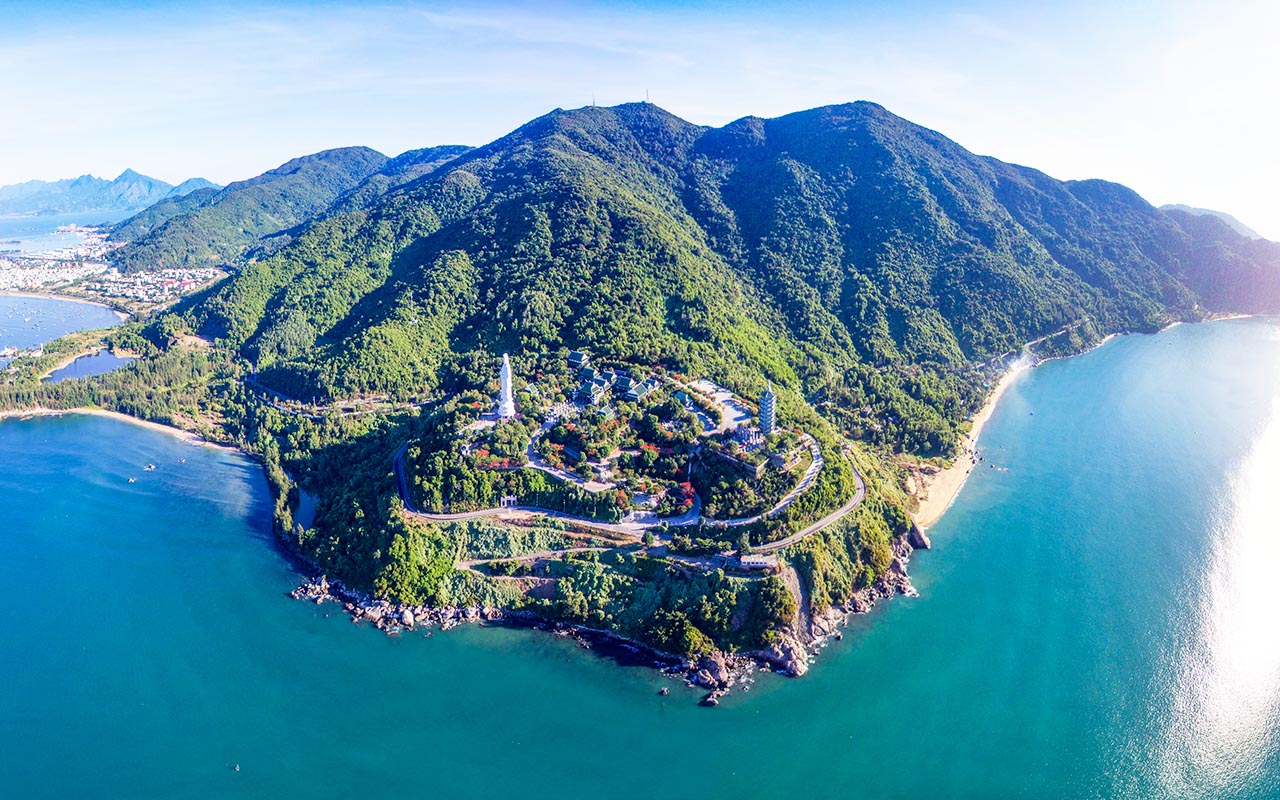
Rising dramatically from the turquoise waters just outside Da Nang, Son Tra Peninsula is where untouched rainforest meets sweeping coastal views and quiet spiritual landmarks. Often described as the green sanctuary of central Vietnam, this destination offers far more than scenic photographs, it delivers immersive encounters with biodiversity, panoramic mountain roads, and serene temples overlooking the sea.
Travelers seeking a balance between adventure and tranquility will find it here, away from crowded urban spaces yet only minutes from the city center. From rare wildlife hidden in dense jungle canopies to sunrise viewpoints that stretch endlessly across the horizon, every corner reveals something unexpected. With carefully curated insights from Simply Vietnam Travel, this guide helps you uncover both iconic highlights and lesser-known spots while planning a meaningful and responsible journey into one of Vietnam’s most captivating coastal landscapes.
Before exploring its temples and viewpoints, understanding the ecological richness of Son Tra Peninsula reveals why this destination feels so distinct. Beyond scenic roads and ocean panoramas, the area preserves one of central Vietnam’s most valuable natural habitats, where rainforest, coastline, and wildlife coexist within a protected environment.
The diverse terrain of Son Tra Peninsula ranges from sandy shores to forested peaks rising more than 600 meters above sea level. This dramatic shift in elevation creates multiple microclimates, allowing tropical plants, ancient hardwood trees, and rare medicinal species to flourish within a relatively compact area. Unlike heavily developed coastal destinations, much of the forest here remains intact, giving travelers a rare glimpse into a thriving natural ecosystem.
One of the most remarkable residents of Son Tra Peninsula is the red-shanked douc langur, a critically endangered primate known for its vibrant coloration and gentle behavior. Observing this species in its native habitat highlights the ecological importance of conservation efforts in the region. The forest also shelters diverse bird species, butterflies, and small mammals that contribute to a balanced and interconnected environment.
Often referred to by locals as the “green lung” of the city, Son Tra Peninsula plays a vital environmental role for the surrounding urban area. Its dense canopy absorbs carbon dioxide, regulates temperature, and supports freshwater systems that sustain nearby communities. During the hottest months, cool breezes descending from the forested hills offer natural relief from the coastal heat.
The environmental protection provided by Son Tra Peninsula extends to the shoreline as well. Thick vegetation and natural slopes reduce erosion and buffer the impact of storms, reinforcing the stability of the coastline. This ecological function transforms a simple sightseeing visit into a deeper appreciation of how natural landscapes support both biodiversity and human life.
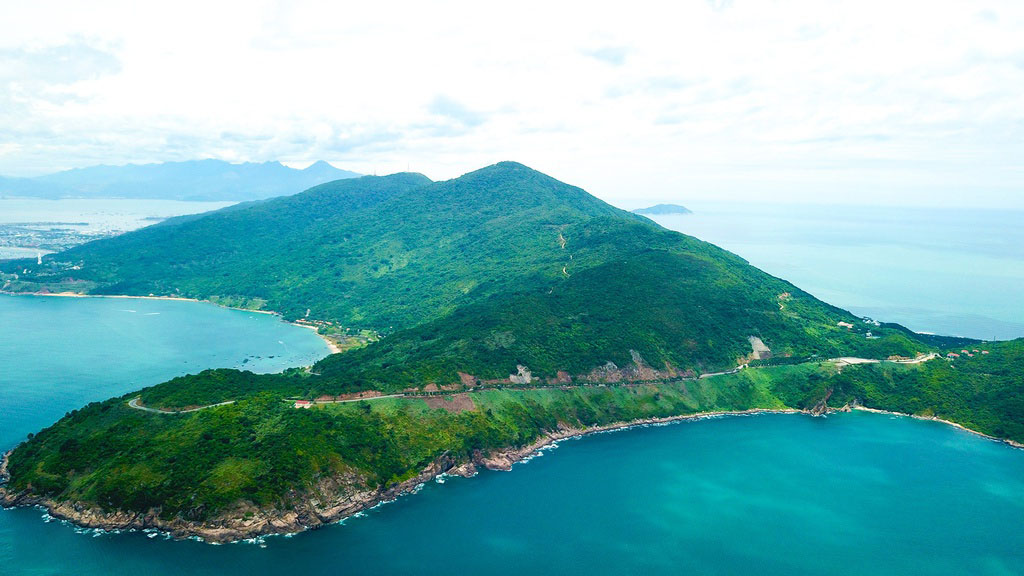
Few places combine mountain scenery and ocean horizons as seamlessly as Son Tra Peninsula. Winding coastal roads reveal dramatic cliffs that descend into clear turquoise waters, while elevated viewpoints offer sweeping vistas of Da Nang’s skyline in the distance. Each turn presents a new composition of sea, sky, and forest.
At sunrise, mist drifts gently between treetops, softening the contours of the hills and creating a tranquil atmosphere. By sunset, golden light reflects across the water, casting warm tones over the entire peninsula. Whether hiking through shaded forest trails or pausing at a roadside lookout, visitors experience a powerful sense of openness and serenity unique to Son Tra Peninsula.
For travelers who enjoy dramatic mountain drives, the nearby Hai Van Pass offers another iconic coastal route connecting Da Nang and Hue.
While its forests and coastal roads create a powerful first impression, the cultural and scenic highlights scattered across Son Tra Peninsula add depth to the journey. From spiritual landmarks to panoramic summits and quiet coves, these locations represent some of the most memorable Son Tra Peninsula attractions for first-time and returning visitors alike.
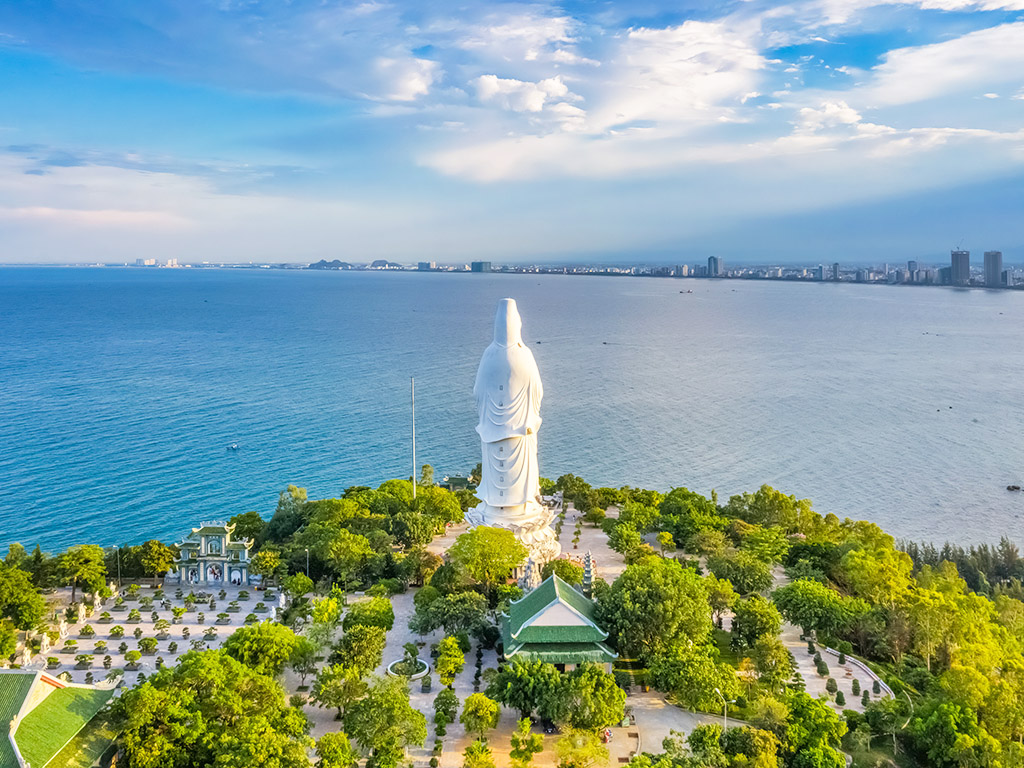
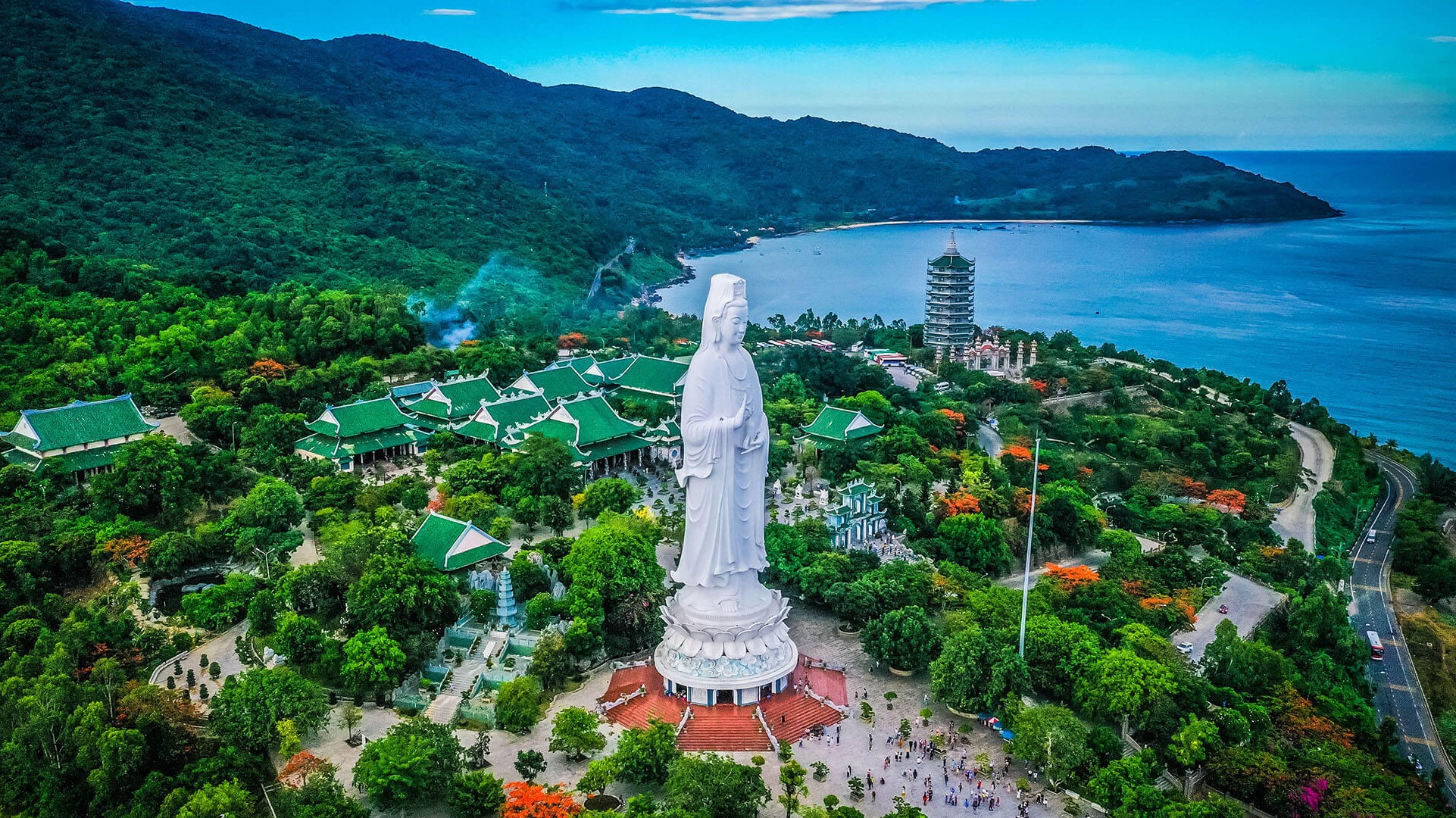
One of the most recognizable landmarks on the peninsula is the towering white statue of the Lady Buddha overlooking the sea. Located within Linh Ung Pagoda Son Tra, this spiritual complex rises gracefully above the coastline, symbolizing peace and protection for local fishermen. Standing at 67 meters tall, the statue is among the tallest of its kind in Vietnam, visible from multiple points across the bay.
Beyond its impressive scale, the pagoda offers serene courtyards, carefully maintained bonsai gardens, and sweeping ocean views. The peaceful atmosphere contrasts beautifully with the dramatic natural surroundings, making it an ideal place for reflection as well as photography. Visiting early in the morning allows travelers to experience softer light and fewer crowds.
Perched at one of the highest points of Son Tra Peninsula, Ban Co Peak provides an unmatched panoramic view of Da Nang’s coastline and the endless East Sea beyond. According to local legend, two celestial beings once played chess here, leaving behind a stone statue that still sits near the summit today.
The journey up to the peak is as rewarding as the destination itself. Curving mountain roads wind through dense forest before opening up to expansive viewpoints. From above, the city appears miniature against the vast horizon, especially during sunrise when golden light spreads across the water. The elevated perspective captures the peninsula’s dramatic geography in a single sweeping glance.
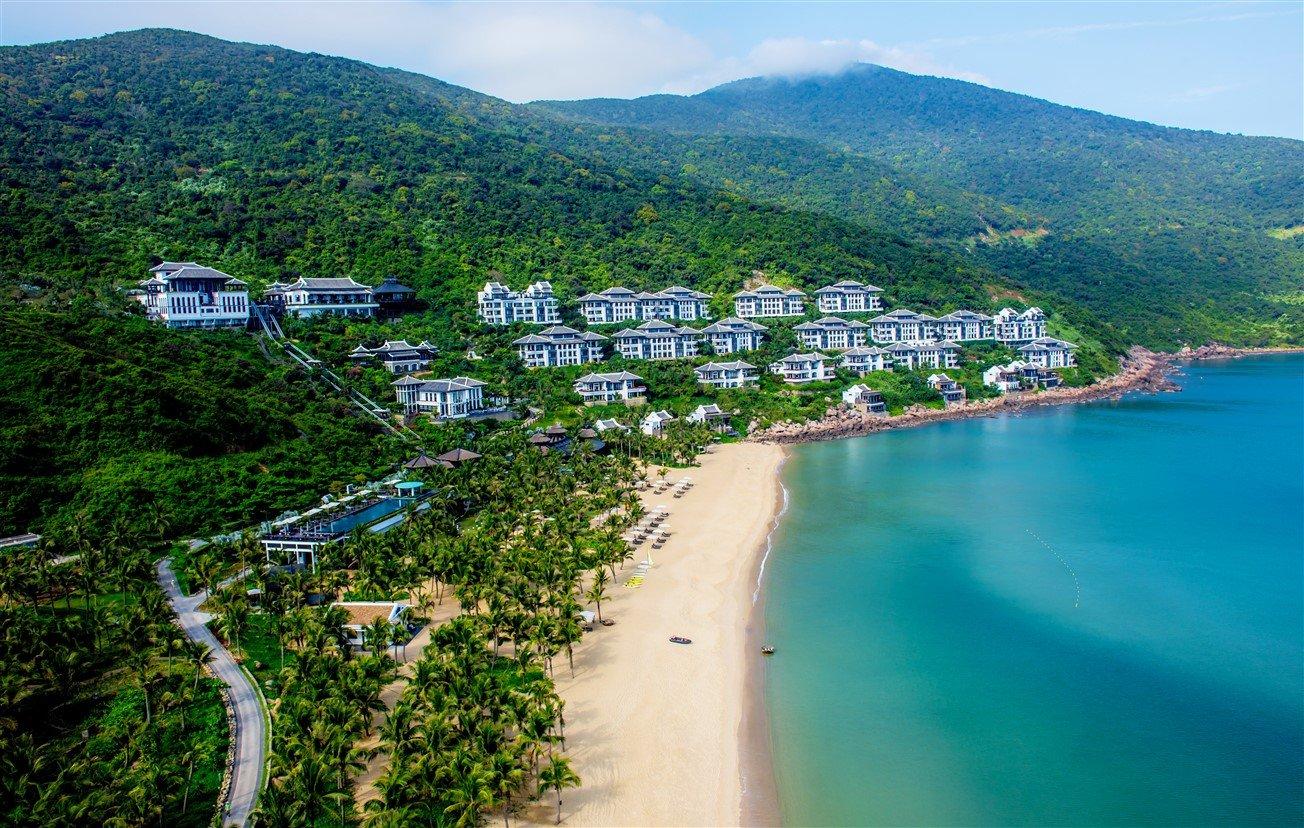
Beyond its well-known landmarks, Son Tra Peninsula hides a collection of lesser-visited beaches and peaceful bays that feel far removed from the bustle of urban life. Small stretches of sand are tucked between rocky outcrops, where gentle waves lap quietly against the shore.
These hidden coastal spots are perfect for travelers seeking solitude or a relaxed afternoon surrounded by nature. Clear water invites snorkeling, while shaded areas beneath trees provide comfortable places to rest. Because some beaches remain relatively undeveloped, visitors are encouraged to travel responsibly and preserve the pristine environment that makes these hidden gems so special.
Travelers who appreciate untouched coastal environments may also consider visiting Cham Island, a protected marine reserve known for its coral reefs and crystal-clear waters.
Beyond sightseeing, the true charm of Son Tra Peninsula lies in the experiences that connect travelers directly with its landscapes. From adventurous coastal rides to quiet wildlife encounters, these moments define the most memorable things to do in Son Tra Peninsula for those seeking both excitement and tranquility.
Riding along the winding coastal road is one of the most exhilarating ways to explore Son Tra Peninsula. The route curves dramatically along cliffs, revealing sweeping ocean views on one side and lush forest rising on the other. Each bend offers a new perspective, making even short distances feel like cinematic journeys.
The smooth pavement and relatively light traffic make the ride accessible for confident drivers, though caution is essential on steep inclines and sharp turns. Stopping at designated viewpoints allows visitors to pause, breathe in the salty air, and fully appreciate the harmony between mountain and sea. This experience is not simply about transportation — it is about immersion in the peninsula’s raw beauty
Few experiences compare to watching the first light of day illuminate Son Tra Peninsula. As dawn breaks, soft hues of pink and gold spread across the sky, gradually revealing forested slopes and distant fishing boats drifting across calm waters. Early risers are rewarded with peaceful surroundings and cooler temperatures.
In the evening, the atmosphere shifts entirely. Sunset transforms the coastline into a glowing horizon, with the city lights beginning to sparkle in the distance. These transitional moments highlight the peninsula’s changing moods, reminding visitors that nature’s beauty is constantly evolving throughout the day.

For nature enthusiasts, exploring Son Tra Peninsula on foot offers a deeper connection to its ecosystem. Quiet forest trails provide opportunities to observe birds, butterflies, and other native species in their natural habitat. Moving slowly and respectfully increases the chances of spotting rare wildlife without disturbing the environment.
Photography here goes beyond capturing landscapes; it becomes a study of light, texture, and life. Morning mist drifting through trees or sunlight filtering across dense foliage creates dynamic compositions. Whether using professional equipment or a simple smartphone, travelers often leave with images that reflect both the grandeur and intimacy of the peninsula’s natural world.
Planning carefully allows travelers to experience the full beauty of Son Tra Peninsula without unnecessary challenges. Understanding seasonal conditions, transportation options, and practical considerations ensures a smoother and more rewarding journey.
The climate in central Vietnam directly influences the best time to visit Son Tra Peninsula. The dry season, typically from March to September, brings clearer skies, calmer seas, and better road conditions for scenic drives. These months are ideal for outdoor exploration, photography, and coastal viewpoints.
During the rainy season, from October to early February, heavy showers can make certain roads slippery and reduce visibility at higher elevations. While the forest appears lush and vibrant after rainfall, travelers should monitor weather forecasts and avoid visiting during storms for safety reasons. Choosing the right season enhances both comfort and overall experience.
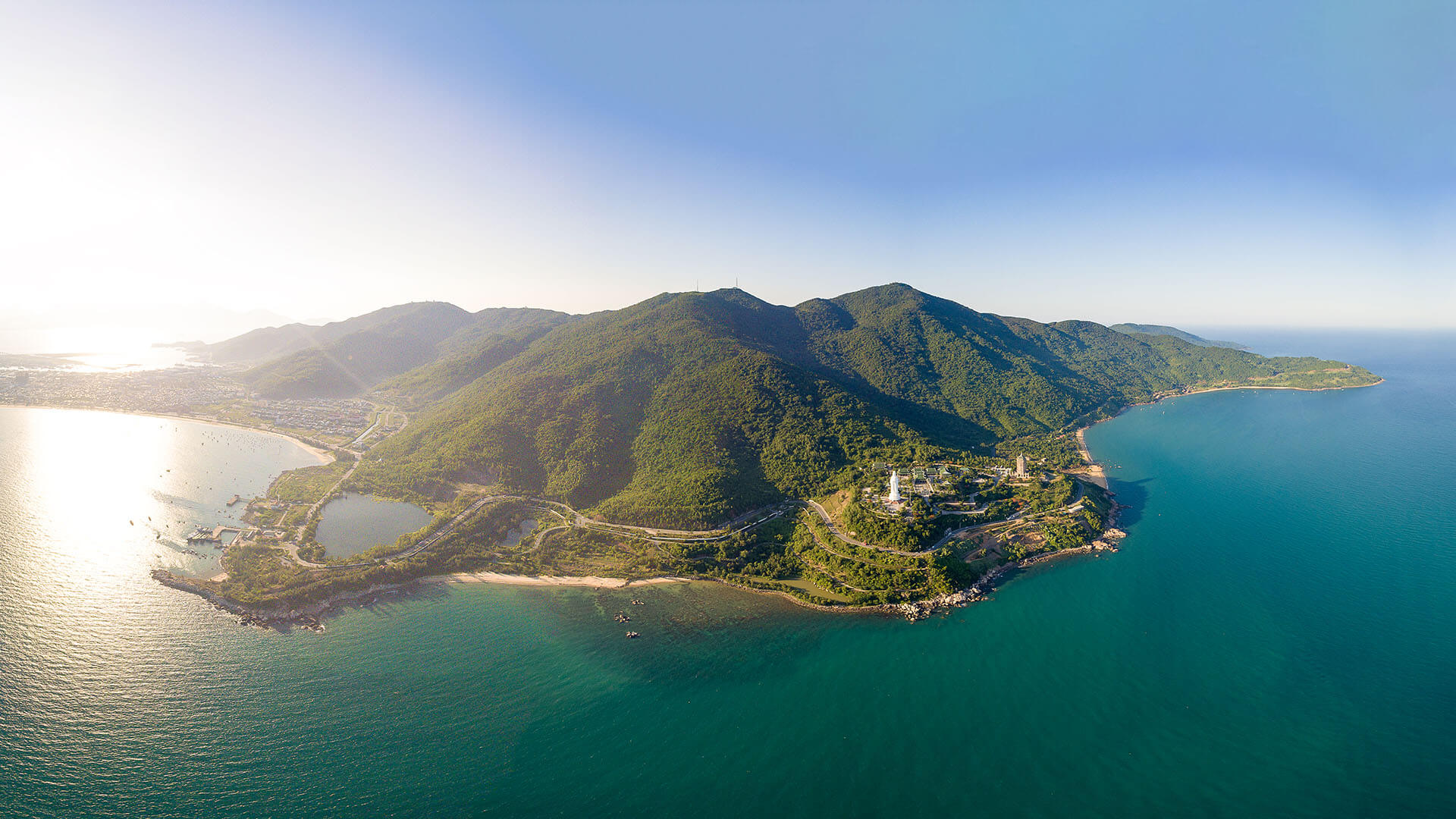
Located just a short drive from downtown, Son Tra Peninsula Da Nang is easily accessible by motorbike, taxi, or private car. The journey typically takes 15 to 30 minutes depending on traffic and the chosen route. Well-paved roads connect the peninsula to the city center, making it convenient for half-day or full-day trips.
Many visitors prefer renting a motorbike to enjoy the flexibility of stopping at viewpoints along the way. For those unfamiliar with mountain driving, hiring a local driver or booking a guided experience may provide added comfort. Clear signage throughout the area helps travelers navigate major landmarks with relative ease.
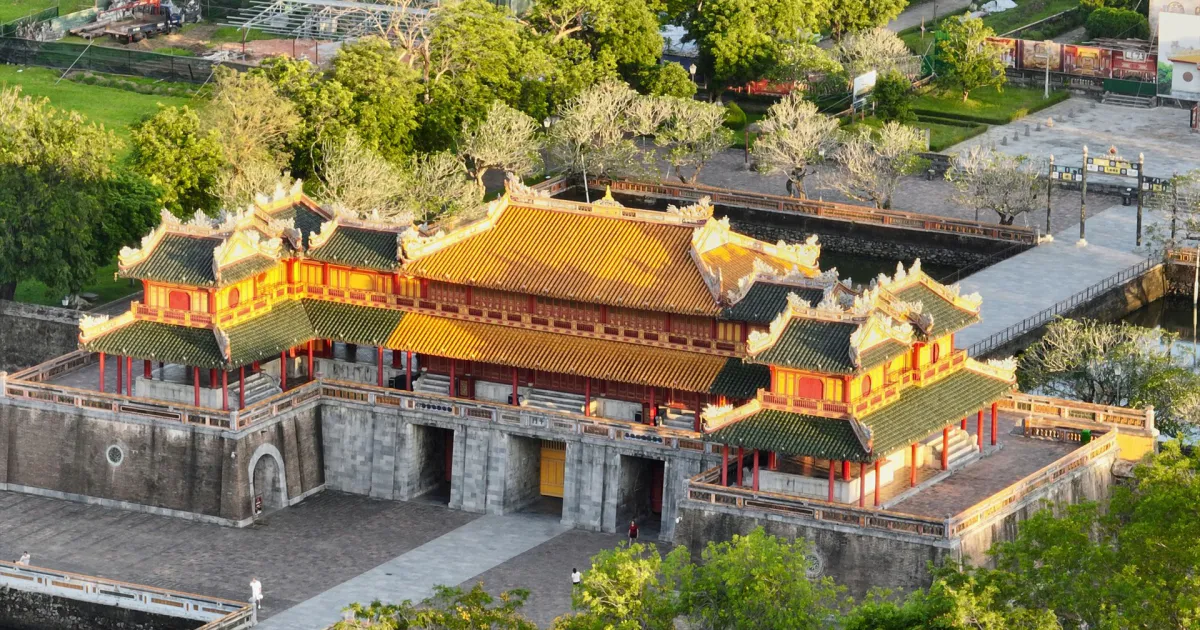
Many travelers combine their visit with a short trip to Hue, where exploring a traditional food market in Hue offers an authentic glimpse into central Vietnam’s culinary culture.
Before setting out, it is important to prepare adequately for the varied terrain of Son Tra Peninsula. Wear comfortable footwear if planning to explore forest trails, and bring water, sunscreen, and insect repellent. Mobile signal can fluctuate in remote areas, so downloading offline maps is recommended.
Respecting conservation guidelines is essential. Visitors should avoid littering, feeding wildlife, or venturing into restricted zones. Early morning visits often provide cooler temperatures and quieter surroundings, while late afternoon offers dramatic lighting for photography. Thoughtful preparation ensures that the journey remains both safe and environmentally responsible.

From mist-covered forests to panoramic coastal roads, Son Tra Peninsula offers a rare combination of biodiversity, cultural landmarks, and immersive outdoor experiences. Whether seeking adventure, quiet reflection, or breathtaking viewpoints, travelers consistently discover moments that feel both personal and unforgettable.
If you are planning your journey to central Vietnam, consider setting aside time to explore Son Tra Peninsula with intention and respect for its natural heritage. For curated itineraries, local insights, and seamless travel planning, Simply Vietnam Travel can help transform your visit into a meaningful and well-organized experience.
Contact us through the following channels for a free consultation:
1. Is Son Tra Peninsula worth visiting?
Yes, it offers a unique mix of rainforest, coastal views, wildlife, and cultural landmarks just minutes from Da Nang city center.
2. How long should I spend at Son Tra Peninsula?
A half-day trip is enough for major highlights, but a full day allows time for beaches, viewpoints, and nature exploration.
3. Do I need a guide to explore Son Tra Peninsula?
A guide is not required, but having one can enhance your experience with local insights and safer navigation on mountain roads.