291/2 Le Van Hien, Da Nang, Vietnam

hi@simplyvietnamtravel.com
+84 793 553 385
Mon – Sun 8.00 – 18.00

English
0

No products in the cart.

Cham Island Cu Lao Cham: A Green Paradise in the Heart of the East Sea

Cu Lao Cham

Cham island Cu Lao Cham, is not merely a beautiful cluster of islands but a precious gem of biodiversity, officially recognized by UNESCO as a World Biosphere Reserve in 2009. Situated approximately 15km East of the Cua Dai coast in Hoi An, this archipelago consists of eight islands: Hon Lao, Hon Dai, Hon Mo, Hon Kho Me, Hon Kho Con, Hon La, Hon Tai, and Hon Ong. Occupying a strategic gateway for trade in the ancient land of Quang Nam, this destination offers not only breathtaking natural scenery but also preserves deep layers of long-standing maritime culture and history.

1. Geographical Location, History, and World Biosphere Reserve Status

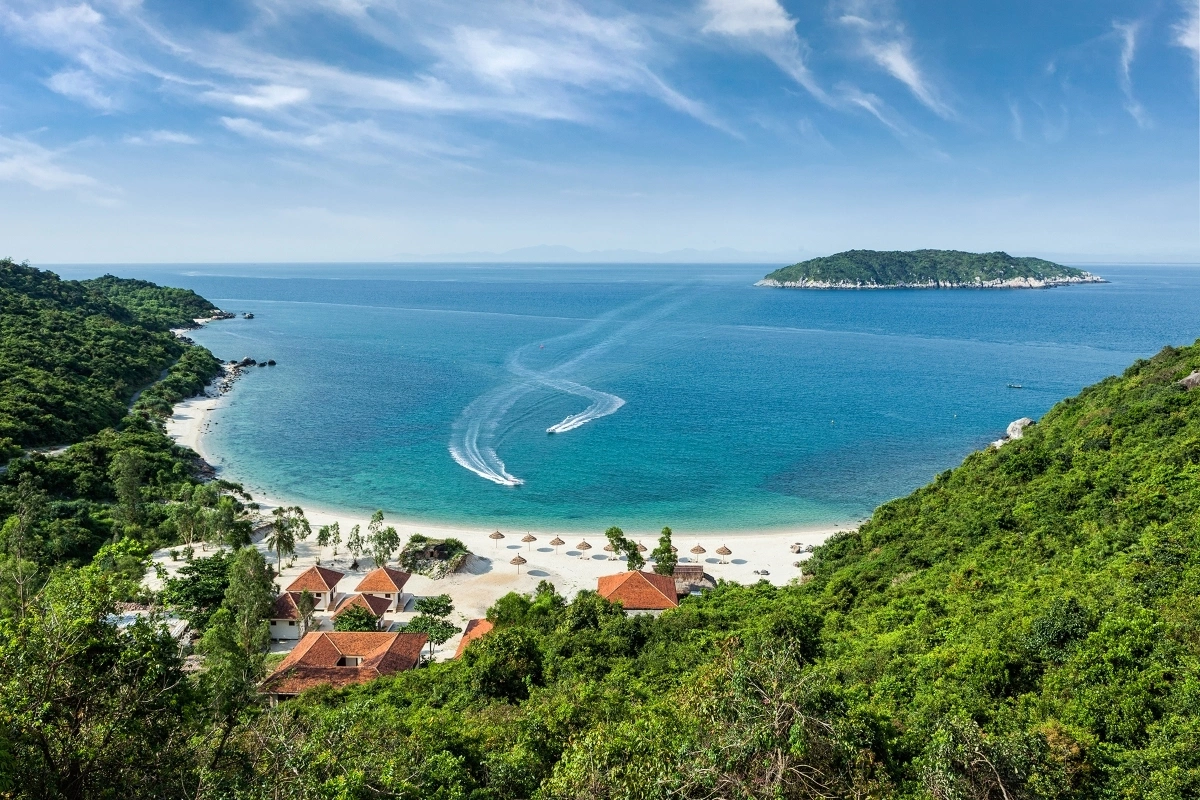
The Cu Lao Cham island cluster is located in Tan Hiep island commune, Hoi An city. To set foot here, travelers typically embark on a journey from Cua Dai port via high-speed canoe (approximately 20 minutes) or a traditional wooden boat (60 minutes). Viewed from above, Cham island Cu Lao Cham appears as a winding dark green silk ribbon on a turquoise sea, creating a vivid and poetic landscape.
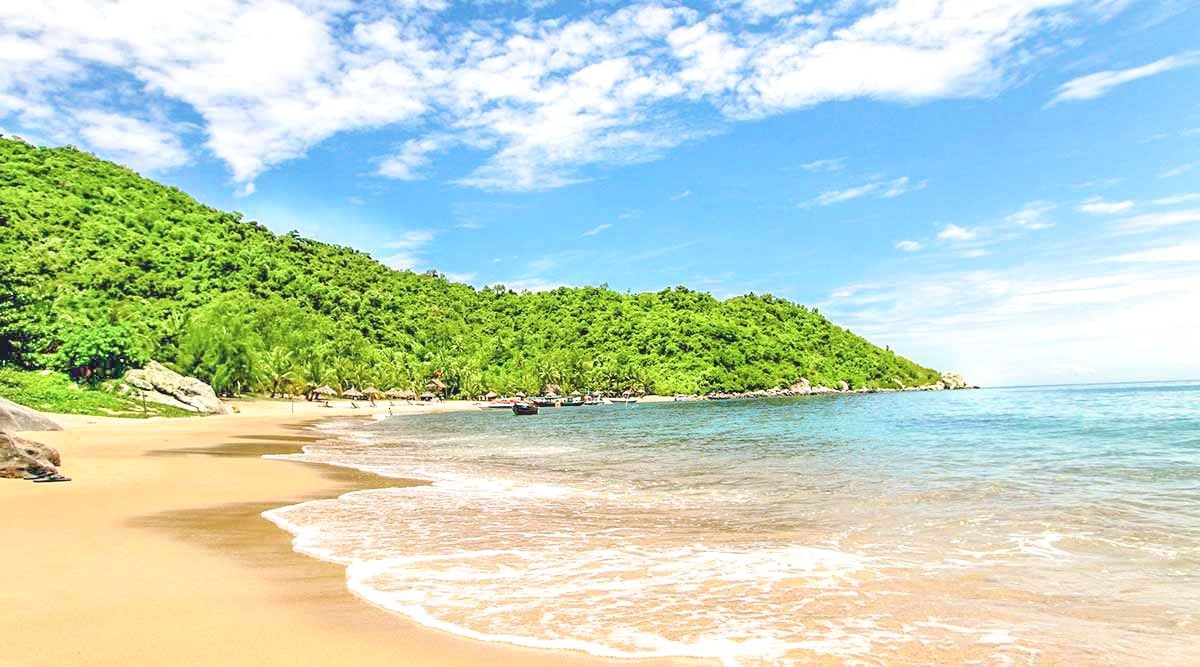
Cham Islands in Hoi An: An amazing escapade to immerse yourself in nature

Historically, from the 7th to the 15th centuries, this location served as a vital stop on the “Maritime Silk Road.” Merchants from Arabia, Japan, and China frequently visited to replenish fresh water and exchange rare forest and local products. UNESCO’s recognition was based not only on its outward beauty but also on its rare coral systems and the extraordinary efforts of the local government to ban plastic bags. This absolute spirit of environmental protection has helped Cham island Cu Lao Cham maintain its most pristine ecosystem, becoming a model for sustainable tourism in Vietnam.

2. Marine Ecosystem and World-Class Snorkeling Experiences

The most powerful attraction of this island region is the “aquarium” shimmering beneath the water. The marine ecosystem here is incredibly rich, featuring over 310 hectares of coral reefs and 500 hectares of seagrass beds, providing a habitat for hundreds of species of fish and rare marine creatures.
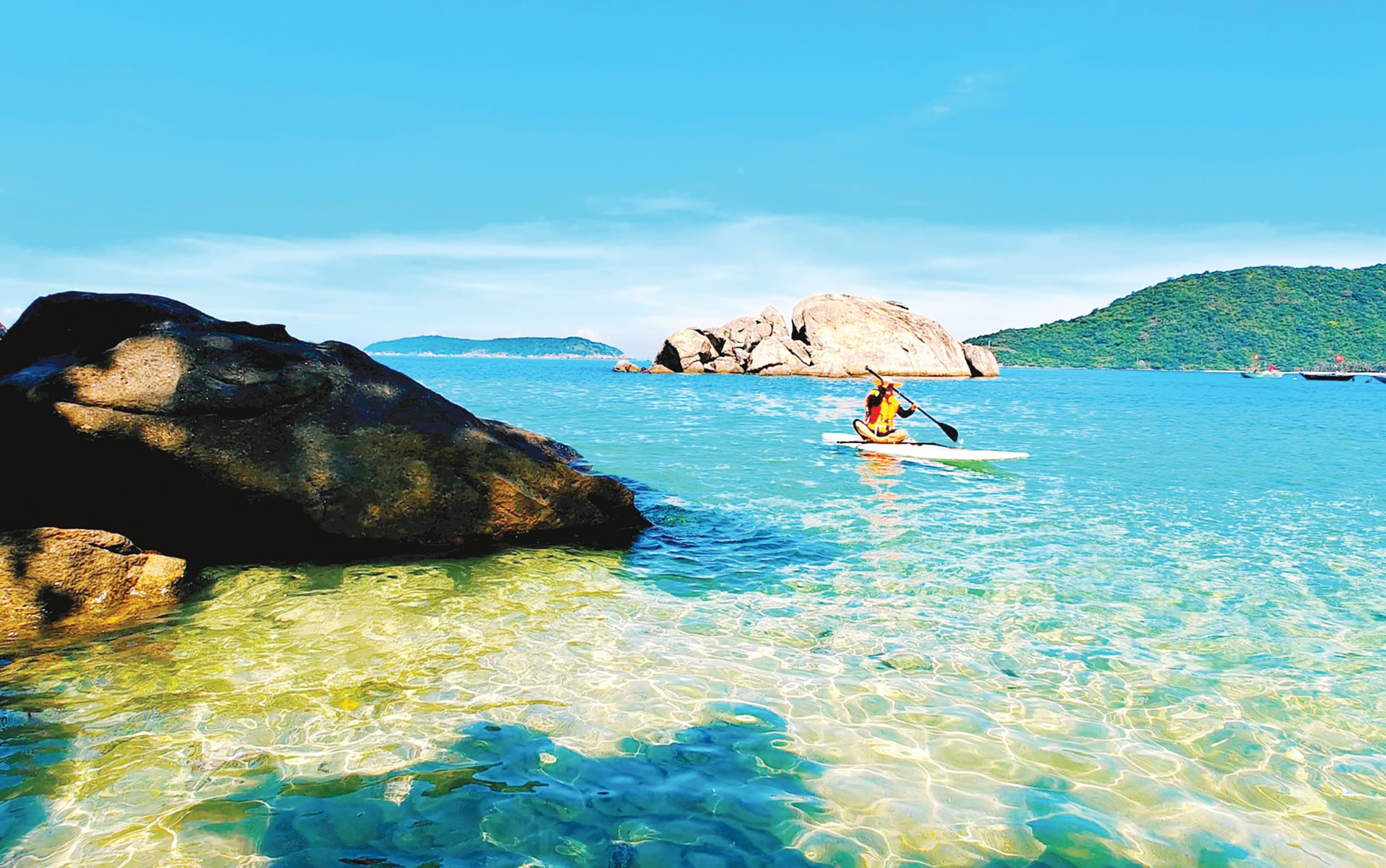
A corner of Cu Lao Cham
  • Snorkeling & Diving: In protected areas such as Hon Dai, Bai Xep, or Hon Tai, the crystal-clear water allows visitors to see deep into the seabed from 5 to 10 meters. You will be overwhelmed by long stretches of hard corals and vibrant soft coral bushes swaying with the current. Schools of butterflyfish and clownfish swimming right before your eyes create an unforgettable experience at Cham island Cu Lao Cham.
  • Sea Trekking: This is a premium service for those who wish to explore the ocean without knowing how to swim. With a specialized oxygen helmet, you can stroll leisurely on the fine sand, touch the coral reefs, and observe the aquatic world in its most authentic form.

Strict conservation by the Marine Protected Area management ensures that the corals here maintain high coverage and natural hues, undisturbed by excessive human impact.

3. Historical Relics and Ancient Champa Cultural Imprints

In addition to its natural beauty, the island serves as a “living museum” preserving the spiritual and architectural values of ancient civilizations. Each relic here tells a story of human survival and development amidst the high seas.
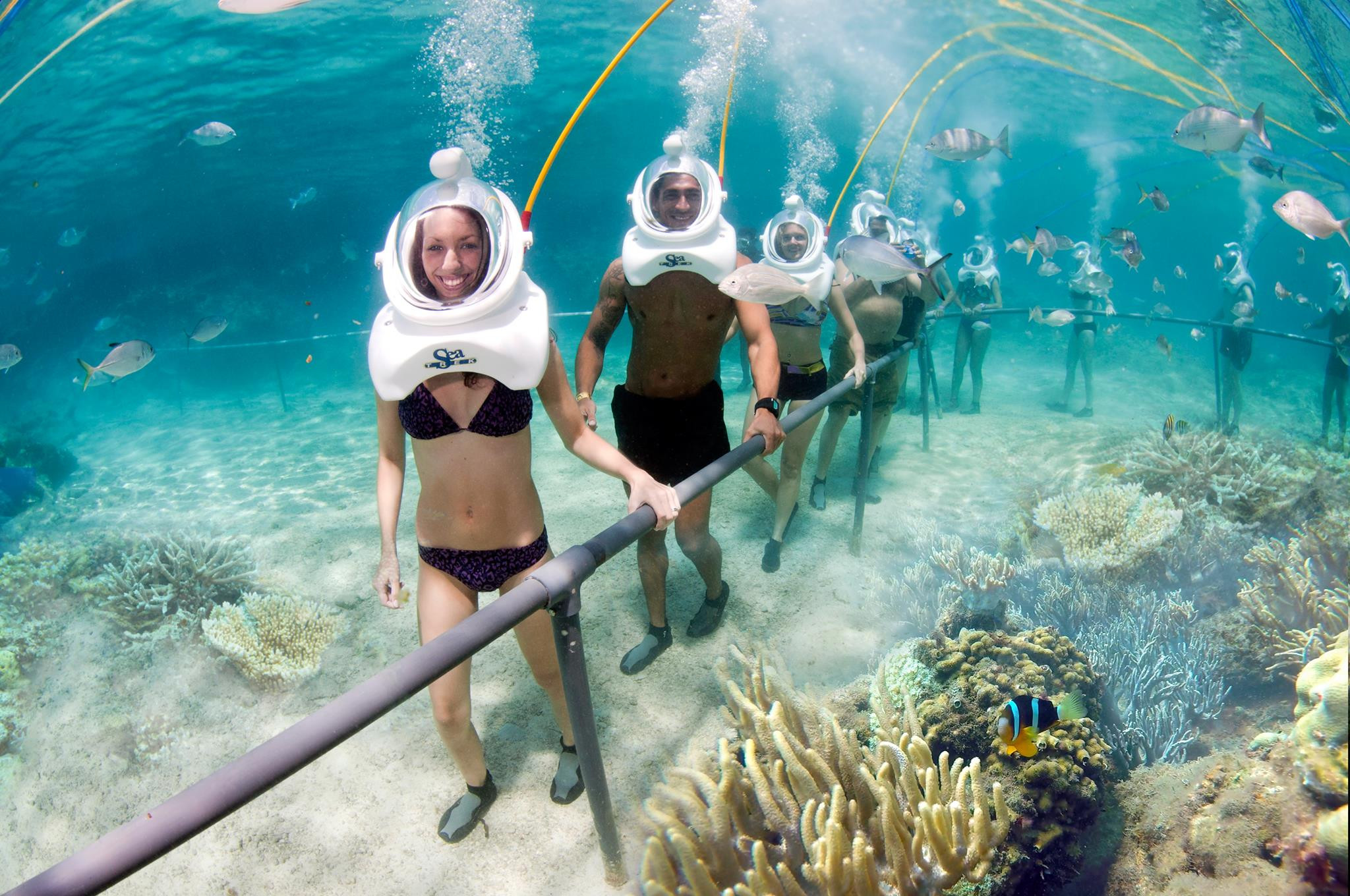
Cu Lao Cham Island, Hoi An, Vietnam – Experience walking under the sea
  • Hai Tang Pagoda: An ancient temple built around the 18th century during the reign of King Le Canh Hung. The pagoda leans against high mountains, facing the only green rice valley on the island. Its architecture embodies traditional Buddhist styles with sophisticated wooden rafters and meticulously carved horizontal lacquered boards. This is where fishermen come to pray for peace before heading out to sea.
  • Ancient Champa Well: A unique archaeological relic located in Cam Hamlet. The well was built with the characteristic structure of the ancient Champa people, featuring a circular mouth and a shaft made of stacked bricks without mortar, yet remaining incredibly sturdy. Remarkably, despite being located near the sea and enduring harsh dry seasons, the water in the well remains fresh and abundant, serving as a vital life source for the residents of Cham island Cu Lao Cham
  • Cu Lao Cham Marine Museum: This site displays endemic marine specimens and archaeological artifacts proving human presence on the island since prehistoric times, providing visitors with a panoramic view of the land’s formative history.

4. Culinary Specialties: Essences from the Ocean and Forest

The culinary flavors of the island are a delicate combination of oceanic products and natural herbs growing on precarious cliffs.
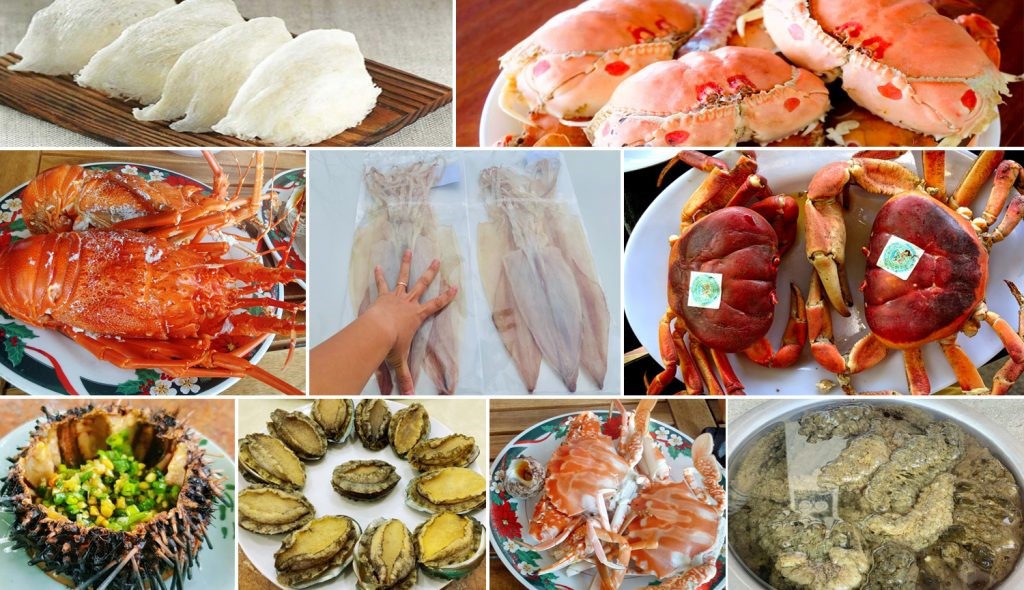
Cham islands seafood
  1. Stone Crab (Cua Da): These crabs live in mountain caves, eating forest leaves and drinking spring water, resulting in firm, fragrant meat with a distinct herbal taste. Due to conservation regulations, stone crabs are harvested in limited quantities, making them a premium delicacy at Cham island Cu Lao Cham.
  2. Sun-Dried Squid: Freshly caught squid are dried under the intense coastal sun exactly once. When grilled, the squid offers a perfect balance of crunchiness and chewiness with a sweet flavor unrivaled elsewhere.
  3. Vu Nang Snail: Shaped like a conical hat, these snails have firm, crunchy white meat. Whether boiled or grilled with scallion oil, this dish always wins over even the most discerning diners.
  4. Wild Forest Greens and Lao Leaf Tea: Harvested from over 16 types of medicinal plants on the mountain, boiled wild greens dipped in local fermented fish sauce offer a slightly bitter yet sweet aftertaste, which is excellent for digestion and health after a long day in the sun at Cham island Cu Lao Cham

5. Travel Experience and the “Green Living” Rules

To ensure a perfect journey to this green paradise, visitors should equip themselves with practical information and adhere to strict local conservation rules.
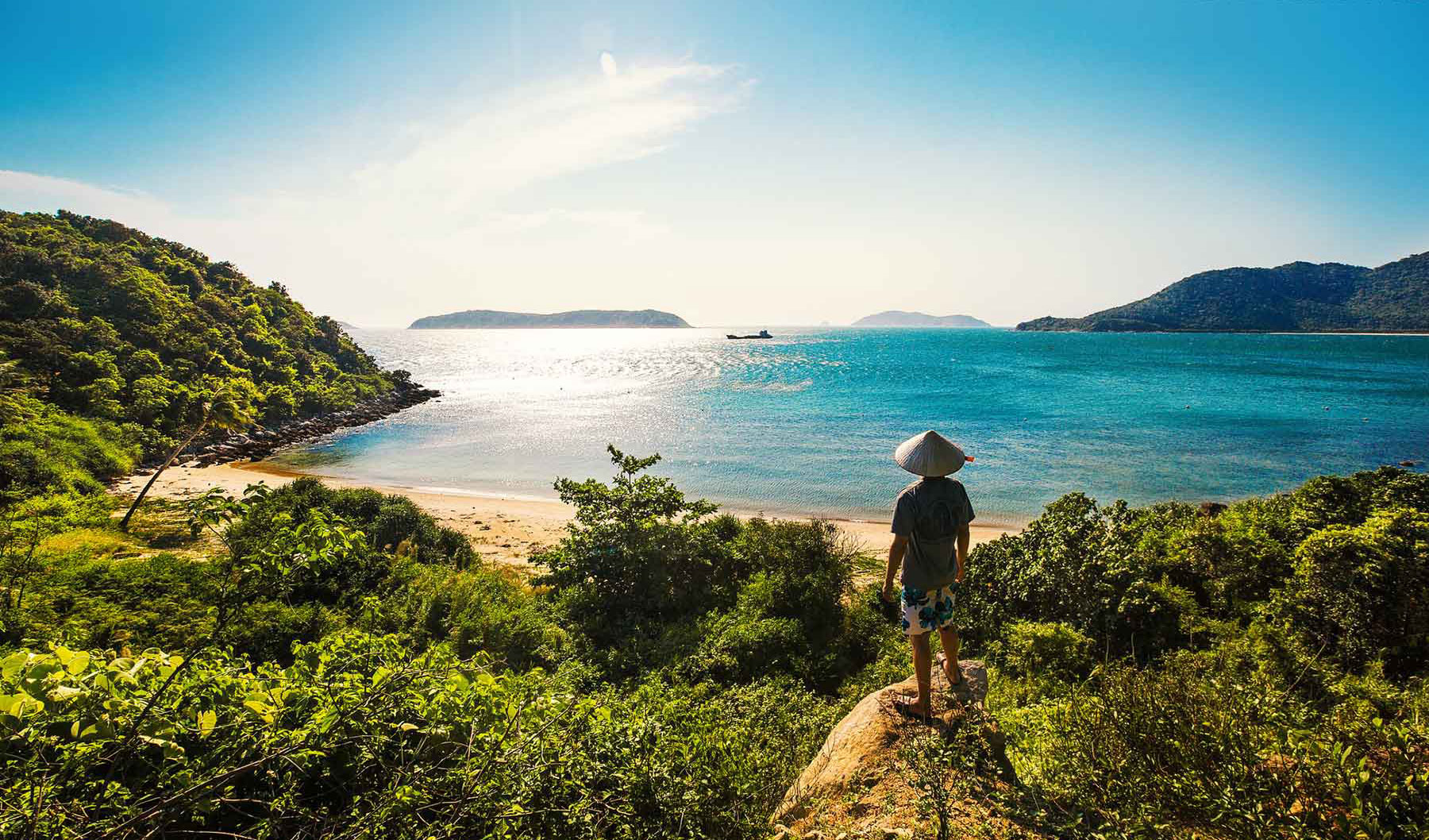
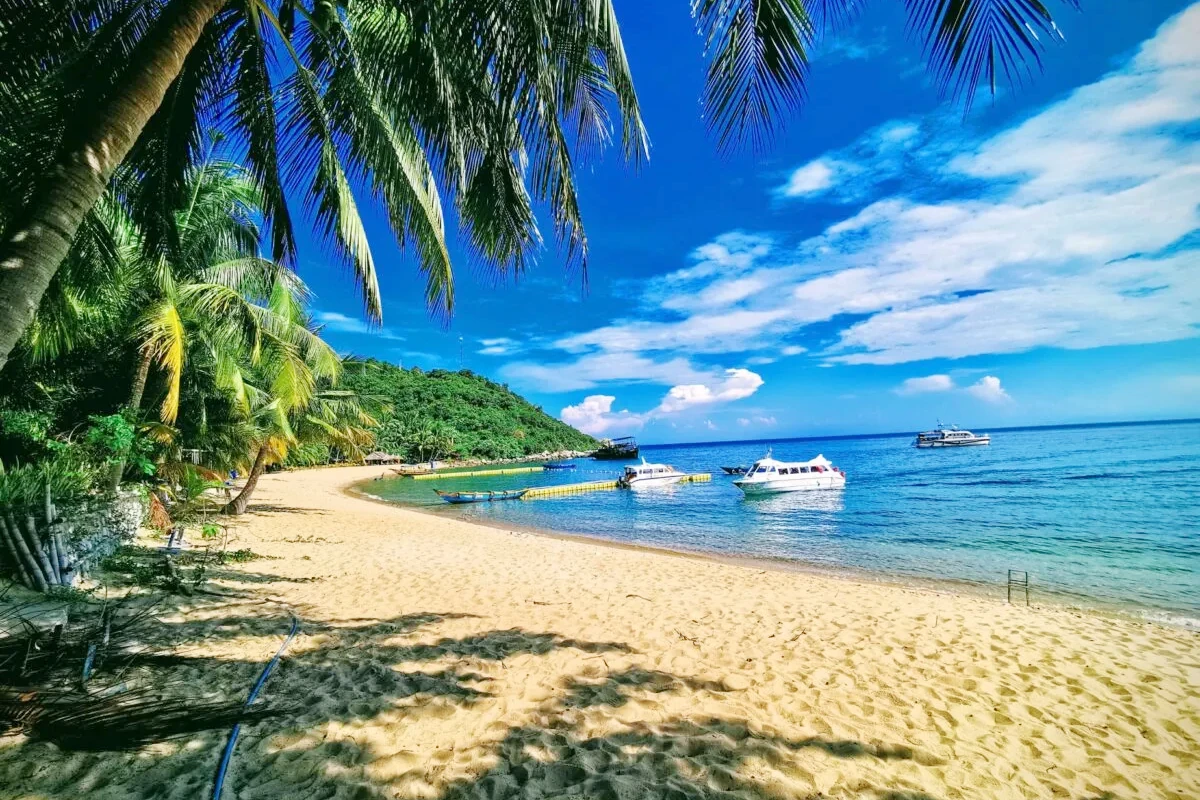
Cu Lao Cham: Island of life
  • The Golden Time: From March to August is the ideal season. During this time, the sea is calm, the sky is clear blue, and the water is transparent, making it favorable for canoe travel and snorkeling. From September to January, the sea is rough, and canoes are often prohibited from departing for safety reasons.
  • Zero Plastic Bag Rule: Upon arriving on the island, you will be reminded not to bring any plastic bags. This is a persistent effort by the locals to protect the ecosystem for Cham island Cu Lao Cham. Please use cloth bags, paper bags, or other eco-friendly materials.
  • Attire: Besides swimwear, bring a good pair of walking shoes for forest trekking or climbing to high peaks to view the entire island from above. Choose reef-safe sunscreen to avoid harming sensitive marine organisms.

6. Heading Toward the Future: Green Tourism and Sustainable Conservation

Cham Island Hoi An – Central Vietnam Guide

The future of Cu Lao Cham does not lie in concrete structures or luxury resorts, but in preserving its inherent wild beauty. The local people have long realized that the “silver sea” is their long-term livelihood. Restricting the number of overnight tourists and promoting ecological homestay models gives visitors a chance to integrate into the authentic lives of fishermen, thereby fostering heritage protection awareness. Every small action by visitors at Cham island Cu Lao Cham contributes to nurturing the future of this World Biosphere Reserve.

Conclusion

Concluding the journey, what remains in one’s heart is not just beautiful photos, but the breath of the ocean, the rhythmic sound of the waves, and the warm hospitality of the islanders. Cham island Cu Lao Cham will forever be a paradise for those who appreciate the value of nature and yearn for true peace.

With Simply Vietnam Travel, you can rest assured that every detail of your itinerary has been meticulously prepared. As a specialist in organizing Central Vietnam tours, we offer you a diverse selection of well-structured itineraries that blend sightseeing, relaxation, and local cuisine, ensuring a fulfilling journey to unforgettable destinations.

A Central Vietnam adventure will be far more exciting when you simply bring your sense of exploration, while the planning is handled by Simply Vietnam Travel.

Contact us through the following channels for a free consultation:

Frequently Asked Questions (FAQ)

When is the best time to visit Cham island Cu Lao Cham?

The ideal time is from March to August. During these months, the weather is sunny, the sea is calm, and the water is crystal clear, making it perfect for snorkeling and boat trips. Avoid visiting from October to February as it is the stormy season.

Is the “No Plastic Bag” rule strictly enforced on the island?

Yes, it is. To protect the marine ecosystem, Cham island Cu Lao Cham strictly prohibits the use of plastic bags. Visitors are encouraged to bring cloth bags or paper bags. Any plastic bags found at the port will be requested to be left behind or replaced with eco-friendly alternatives.

How do I get to the island from Hoi An?

You can take a high-speed canoe from Cua Dai Port, which takes about 20 minutes. Alternatively, a traditional wooden boat from Bach Dang wharf (Hoi An old town) takes about 60-90 minutes and is a more budget-friendly, leisurely option.

Can I visit Cham island Cu Lao Cham if I don’t know how to swim?

Absolutely. For snorkeling, you will be provided with life jackets and goggles. Additionally, you can try the Sea Trek service (walking underwater), which uses a special oxygen helmet, allowing you to breathe and walk on the seabed normally without swimming skills.

Are there accommodations if I want to stay overnight?

While there are no luxury resorts to preserve the natural environment, Cham island Cu Lao Cham offers many charming eco-homestays. Staying overnight is a great way to experience the peaceful atmosphere and the authentic local life after the day tourists have left.
Leave a Reply

Your email address will not be published. Required fields are marked *

Related stories

  • 23 Sep, 2023
The Dragon Dance symbolizes the city’s strength, prosperity, and cultural pride. The dragon is a sacred creature in...
  • 25 Feb, 2025
Banh Mi is a popular Vietnamese sandwich known for its delicious combination of flavors and textures. It is...
  • 10 Nov, 2025
Da Nang Travel Guide: Explore Vietnam’s vibrant coastal city, blending urban energy with pristine beaches and ancient relics—an...
  • 12 Nov, 2025
The Hoi An travel guide 2026 highlights Hoi An as one of Vietnam’s premier destinations, renowned for its...
  • 14 Nov, 2025
As this Hue travel guide 2026 highlights, Hue, the former imperial capital of central Vietnam, stands out with...
  • 17 Nov, 2025
Discover the ethereal beauty of the Sunset on Tam Giang Lagoon – Southeast Asia’s largest brackish water lagoon....
  • 18 Nov, 2025
Explore the essential food in Hoi An with our definitive, deep-dive guide! Discover 20 must-try dishes from the...