291/2 Le Van Hien, Da Nang, Vietnam
hi@simplyvietnamtravel.com
+84 793 553 385
Mon – Sun 8.00 – 18.00

 travel
February 26, 2026
travel
February 26, 2026

Rising between lush mountains and the vast East Sea, Hai Van Pass is celebrated as one of Vietnam’s most spectacular coastal roads. This legendary stretch links Da Nang and Hue through dramatic cliffs, misty peaks, and sweeping ocean panoramas, offering travelers a journey as memorable as the destination itself.
At Simply Vietnam Travel, we have helped international visitors experience this iconic route with confidence, combining scenic beauty with cultural insight and practical planning. Whether you’re seeking a thrilling drive, a photography escape, or a scenic stop along your central Vietnam itinerary, this guide will walk you through everything you need to know before setting off.
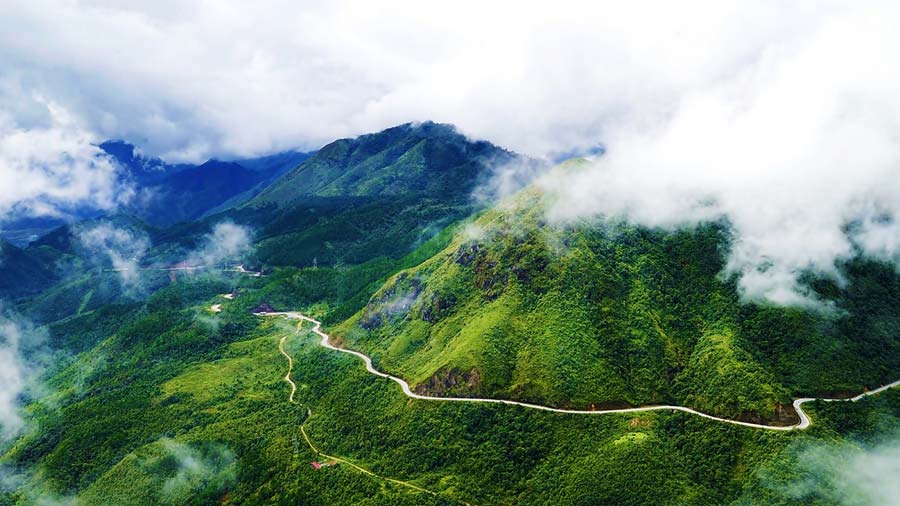
Rising dramatically between mountain and sea, Hai Van Pass stands as one of the most celebrated scenic routes in Southeast Asia. More than just a road, it represents a striking transition point where geography, climate, and history intersect along Vietnam’s central coastline.
Strategically positioned between two of central Vietnam’s most important cities, this winding mountain road forms a natural boundary between Thua Thien Hue Province and Da Nang City. Many travelers refer to the journey as Hai Van Pass from Da Nang to Hue, a route that showcases the region’s most spectacular coastal landscapes.
As the road climbs higher, Hai Van Pass reveals sweeping ocean panoramas on one side and dense tropical mountains on the other. Stretching approximately 21 kilometers and reaching over 500 meters at its peak, the route offers constantly shifting scenery that makes every curve memorable.
Crossing this mountain corridor also feels like crossing into a different atmosphere. The landscapes subtly change, the air becomes cooler, and the cultural rhythm gradually shifts as you descend toward Hue, adding depth to the overall experience of traveling through Hai Van Pass.
After crossing the mountains, many travelers continue toward Hue to explore its imperial heritage and distinctive cuisine. If you’re planning to extend your journey, this guide on what to eat in Hue offers helpful insights into the city’s most iconic dishes.

The poetic nickname “Ocean Cloud Pass” reflects the mist that frequently drifts across the summit. On humid mornings, clouds float low over the roadway, creating an almost dreamlike environment where sky, sea, and mountain blend seamlessly together.
At higher elevations along Hai Van Pass, temperatures drop and visibility can change within minutes. One moment, thick fog wraps around the cliffs; the next, clear skies unveil panoramic views of Lang Co Bay to the North and Da Nang’s coastline to the South.
This constant transformation of light and atmosphere is part of what makes Hai Van Pass so visually captivating, attracting photographers, filmmakers, and road trip enthusiasts from around the world.
Beyond its natural beauty, Hai Van Pass has long played a strategic role in Vietnam’s history. For centuries, it served as a geographic frontier between ancient kingdoms, including Champa and Dai Viet, marking an important defensive and trade boundary.
The historic gate and remnants of old fortifications at the summit still stand today, offering tangible evidence of its past. Moss-covered stone walls blend quietly into the mountainside, reminding visitors that Hai Van Pass is not only a scenic drive but also a place shaped by centuries of political and cultural significance.
Together, the dramatic geography and layered history elevate this route far beyond a typical coastal road, making it a destination in its own right.

Traveling along Hai Van Pass is not simply about reaching a destination — it’s about immersing yourself in one of Vietnam’s most exhilarating road journeys. Whether you prefer adventure, comfort, or a guided experience, there are several ways to explore this dramatic stretch of coastline safely and memorably.
For many travelers, the most thrilling way to explore the mountains is by motorbike. The winding curves, sweeping ocean views, and changing elevations create an unforgettable sense of freedom, especially along the renowned Hai Van Pass motorbike route.
Riding across Hai Van Pass allows you to stop spontaneously at scenic lookouts, hidden viewpoints, or quiet roadside cafés. The gradual climb to the summit provides a rewarding balance of challenge and beauty, making it particularly popular among experienced riders.
However, preparation is essential. Helmets, proper footwear, and checking weather conditions beforehand will ensure your journey across Hai Van Pass remains both safe and enjoyable.
If you prefer a more relaxed experience, hiring a private car offers comfort without sacrificing scenery. Large windows provide uninterrupted coastal views, while professional drivers familiar with Hai Van Pass can navigate sharp turns and steep sections with confidence.
This option is especially suitable for families, photographers carrying equipment, or travelers combining multiple destinations in one day. With flexible stops along Hai Van Pass, you can enjoy panoramic viewpoints without the physical demands of riding.

Road conditions on Hai Van Pass are generally well maintained, but drivers should remain cautious on sharp bends and during periods of heavy fog. Traffic is lighter than in urban centers, yet buses and cargo trucks occasionally use the route, particularly during peak travel seasons.
Before setting out across Hai Van Pass, ensure your vehicle is fueled, your brakes are functioning properly, and your phone is charged for navigation or emergencies. Early morning departures often provide calmer roads and clearer visibility, enhancing both safety and the overall experience.
Understanding seasonal patterns is essential before planning your journey across Hai Van Pass, as weather conditions can significantly influence visibility and road safety. The region’s tropical monsoon climate creates distinct dry and rainy seasons, each offering a different travel experience.
The climate along the central coastline shifts between sunny, dry months and periods of heavier rainfall. During the dry season, clear skies and bright sunlight enhance the panoramic scenery, while the rainy season can bring mist, strong winds, and sudden showers. Travelers researching Hai Van Pass weather often discover that conditions at the summit may differ from those at sea level due to elevation changes.
Because Hai Van Pass rises more than 500 meters above the coastline, temperatures at the top are usually cooler and breezier than in nearby cities. Morning fog is common, particularly during transitional months, creating atmospheric views but occasionally reducing visibility for drivers.
Since most travelers start from Da Nang, understanding the city’s seasonal climate can also help with trip planning. This detailed guide on Da Nang temperature by month provides a helpful breakdown of average conditions throughout the year.
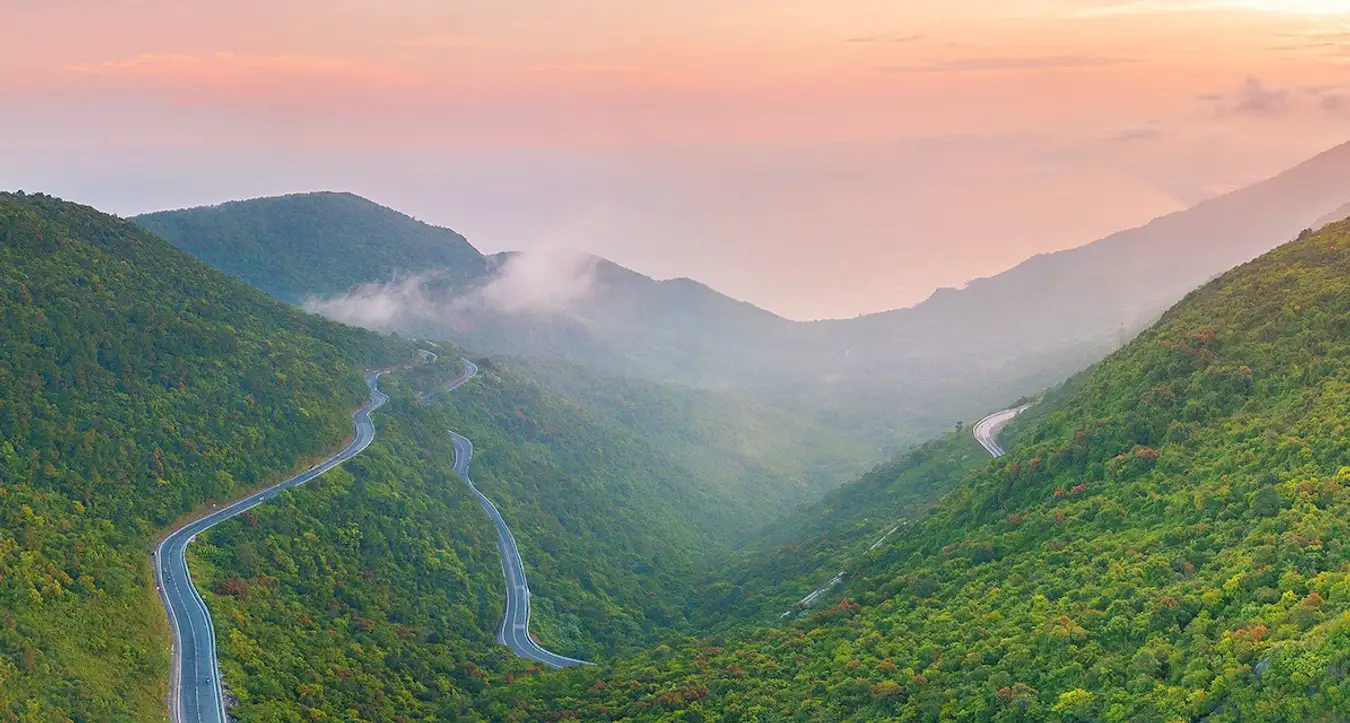
For those prioritizing blue skies and expansive ocean panoramas, the best time to visit Hai Van Pass typically falls between March and September, when rainfall is lower and sunlight is more consistent. Early mornings often provide the clearest conditions, with soft light ideal for photography.
Planning carefully allows visitors to experience Hai Van Pass at its most vibrant, when the sea reflects brilliant shades of turquoise and the surrounding mountains appear sharply defined against the horizon. While travel is possible year-round, choosing favorable months can greatly enhance both safety and scenic enjoyment.
One of the greatest highlights of traveling across Hai Van Pass is the opportunity to pause and absorb the dramatic scenery from multiple vantage points. From historic landmarks to sweeping coastal overlooks, the route offers countless moments worthy of your camera roll.
Near the summit, travelers will encounter the old stone gate that once marked a strategic frontier. Weathered walls and moss-covered structures stand quietly against the mountain backdrop, offering a powerful contrast between history and nature.
Standing at this elevated point along Hai Van Pass, visitors can look out over layered hills fading into the horizon, creating a cinematic panorama that changes with the shifting light throughout the day.
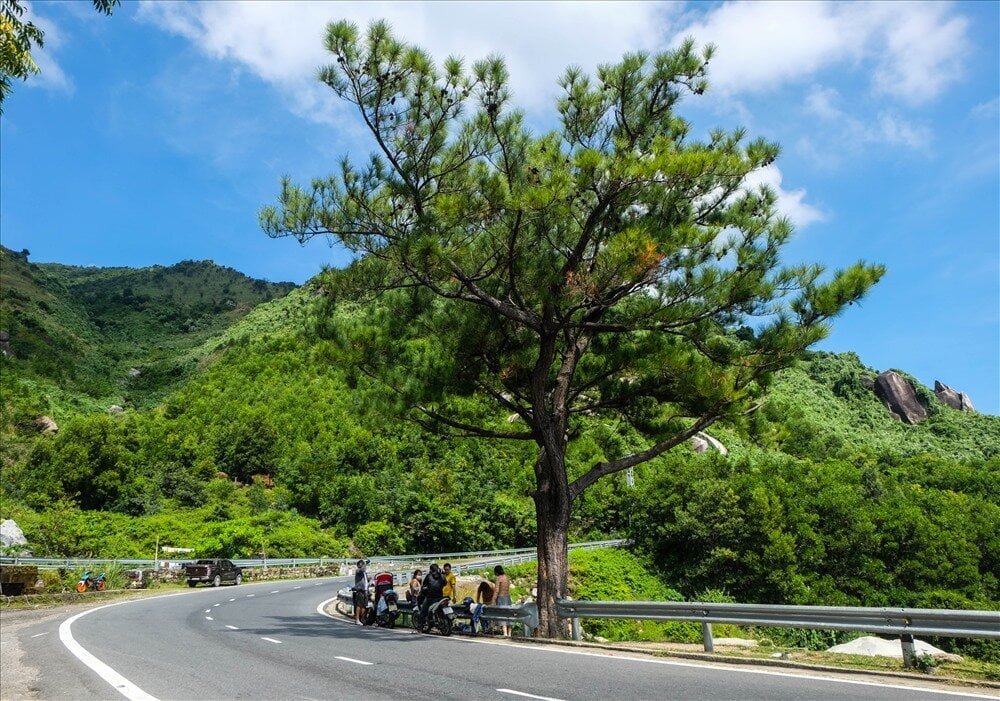
Several designated pull-off areas provide sweeping coastal scenes that are often described as the most breathtaking Hai Van Pass viewpoints. From these high vantage points, Lang Co Bay curves gracefully to the North, while Da Nang’s coastline stretches toward the South in a dramatic arc.
On clear days, the contrast between deep blue water and lush green mountains makes Hai Van Pass a paradise for landscape photographers seeking wide-angle compositions and natural depth.
Beyond the well-known stops, smaller roadside clearings and quiet bends reveal unexpected perspectives. These lesser-known spots often feel more intimate, allowing travelers to appreciate the raw beauty of Hai Van Pass without crowds.
Whether you are capturing sunrise light over the sea or mist drifting through mountain ridges, each pause along Hai Van Pass reinforces why this route is considered one of Vietnam’s most visually unforgettable journeys.
Many visitors extend their central Vietnam itinerary by exploring nearby cultural highlights such as Hoi An’s historic old town.
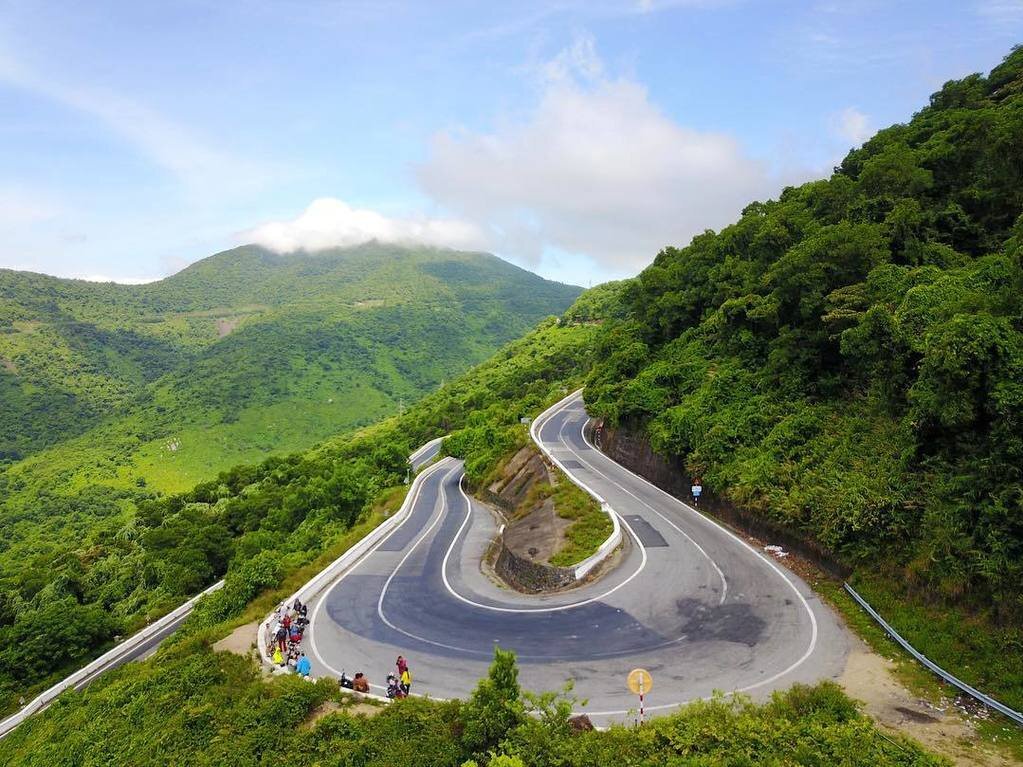
From sweeping ocean panoramas to mist-covered mountain peaks, this iconic coastal road offers a journey that blends natural drama with cultural depth. Experiencing Hai Van Pass is about more than the drive itself — it’s about embracing one of Vietnam’s most breathtaking landscapes at your own pace.
Ready to plan your adventure? Let Simply Vietnam Travel help you create a seamless, scenic journey tailored to your travel style.
Contact us through the following channels for a free consultation:
1. How long does it take to drive across Hai Van Pass?
It typically takes 45 minutes to 1 hour without stops, but most travelers allow extra time for scenic viewpoints and photos.
2. Is Hai Van Pass safe for motorbikes?
Yes, the road is generally well maintained, but riders should be cautious on sharp curves and during foggy or rainy conditions.
3. Can I visit Hai Van Pass as a day trip?
Absolutely. It’s commonly explored as a half-day or full-day trip from Da Nang or Hue, often combined with coastal attractions nearby.