291/2 Le Van Hien, Da Nang, Vietnam
hi@simplyvietnamtravel.com
+84 793 553 385
Mon – Sun 8.00 – 18.00

 travel
January 22, 2026
travel
January 22, 2026
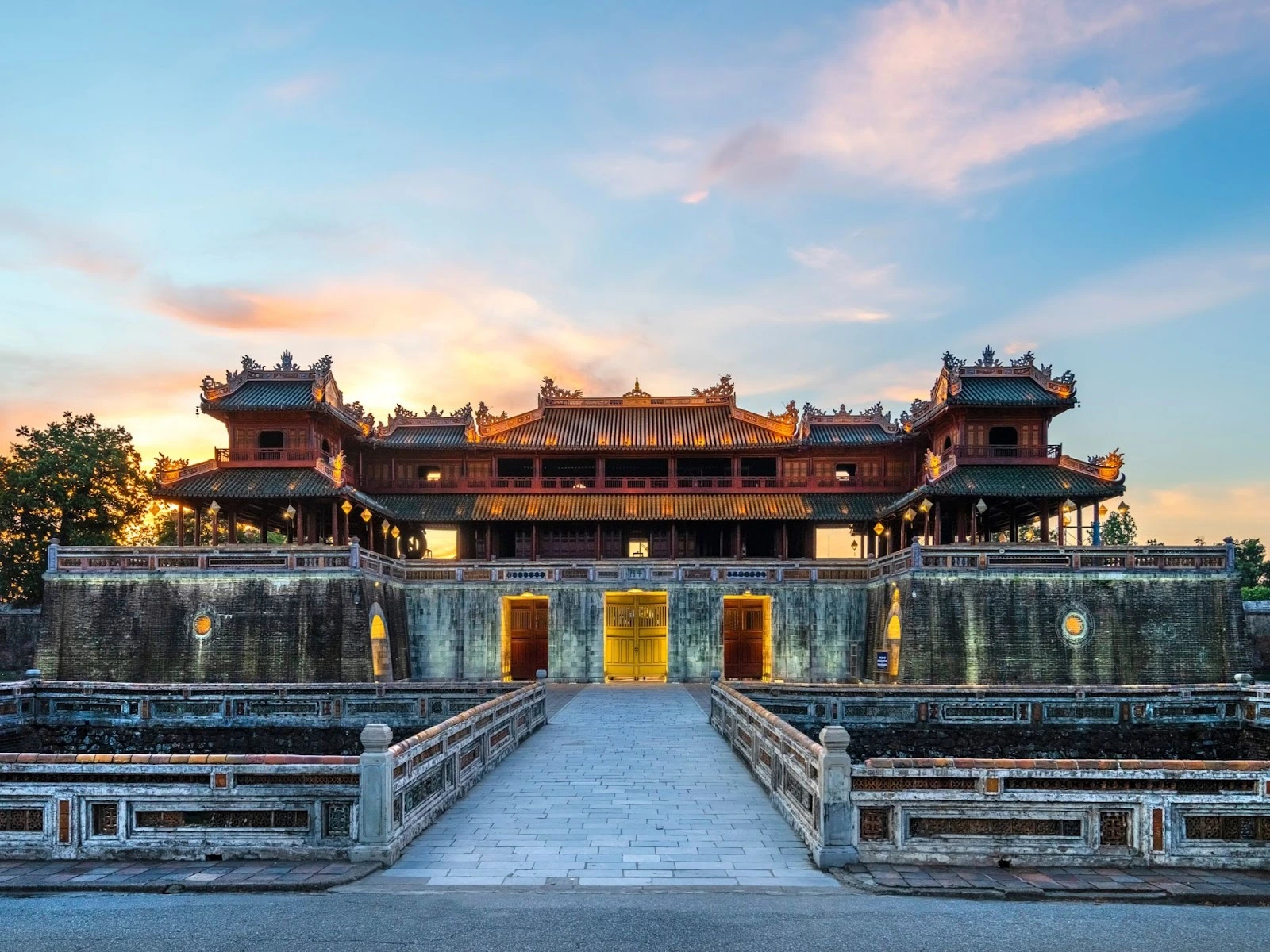
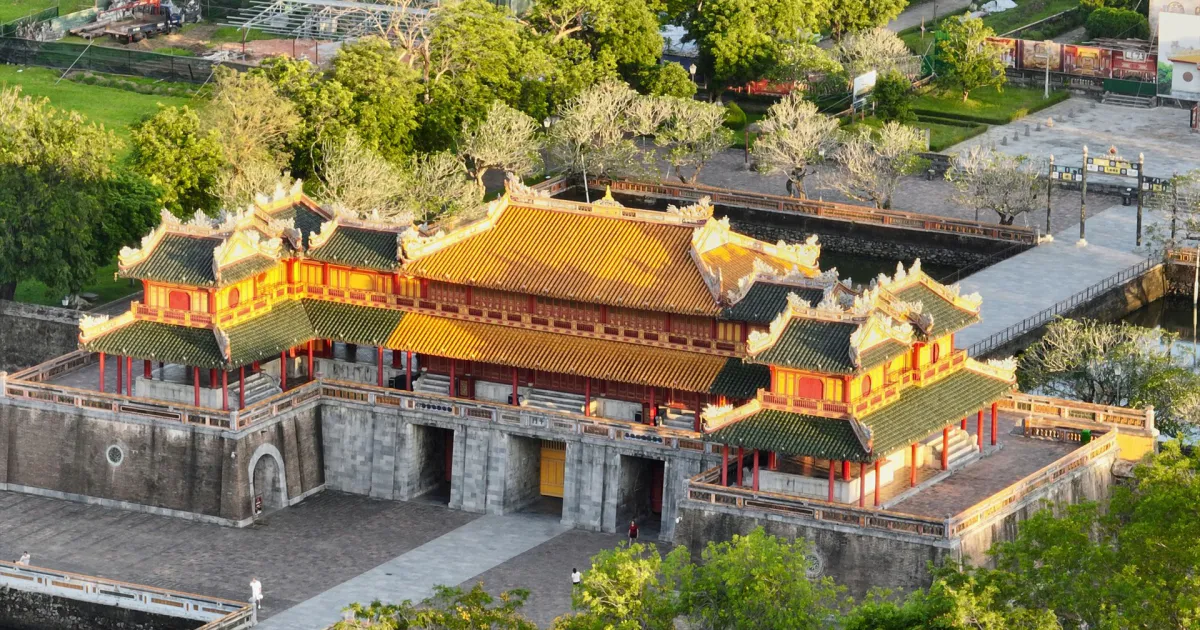
Hue enchants travelers not only with its solemn mausoleums and the poetic Huong River but also with a culinary heritage of unparalleled depth in Vietnam. Often dubbed the “Culinary Capital,” Hue boasts over 1,300 dishes out of approximately 1,700 nationwide. This richness is the result of a long history, as Hue served as the seat of the Nguyen Lords and later the capital of the Nguyen Dynasty for 143 years. If you are planning an upcoming trip and wondering what to eat in Hue, this article will serve as a detailed map, guiding you from extravagant royal banquets to humble yet sophisticated street stalls.
Before diving into the list of what to eat in Hue, it is essential to understand that the local cuisine is not merely for sustenance; it is a rigorous philosophical system and a living heritage. Hue’s cuisine is divided into three main branches: Royal Cuisine (reserved for monarchs with the “Eight Treasures” rule), Folk Cuisine (the daily life of the common people), and Vegetarian Cuisine (closely linked to a long-standing Buddhist tradition).

The people of Hue believe a dish must achieve absolute harmony based on the “Five Elements”: Metal, Wood, Water, Fire, and Earth, corresponding to the five primary flavors: salty, sour, sweet, spicy, and bitter. Notably, people in Hue do not eat “to be full” but “to enjoy the essence.” Consequently, dishes are often presented in small, beautiful, and meticulously prepared portions.
A key identifying feature when searching for what to eat in Hue is the spiciness. However, chili is not just for heat; it is used scientifically to balance the “cooling” nature of seafood from the lagoons. The precision in every cut, the selection of the finest aromatic rice, and the use of water from ancient wells have elevated Hue’s cuisine to a living art form.
No list of what to eat in Hue is complete without Bun Bo Hue. This dish has transcended national borders to become one of the best soups in the world. The defining difference of “authentic” Bun Bo lies in the broth. Hue chefs must simmer beef and pork bones for many consecutive hours, combined with lemongrass and a specific fermented shrimp paste (mam ruoc).
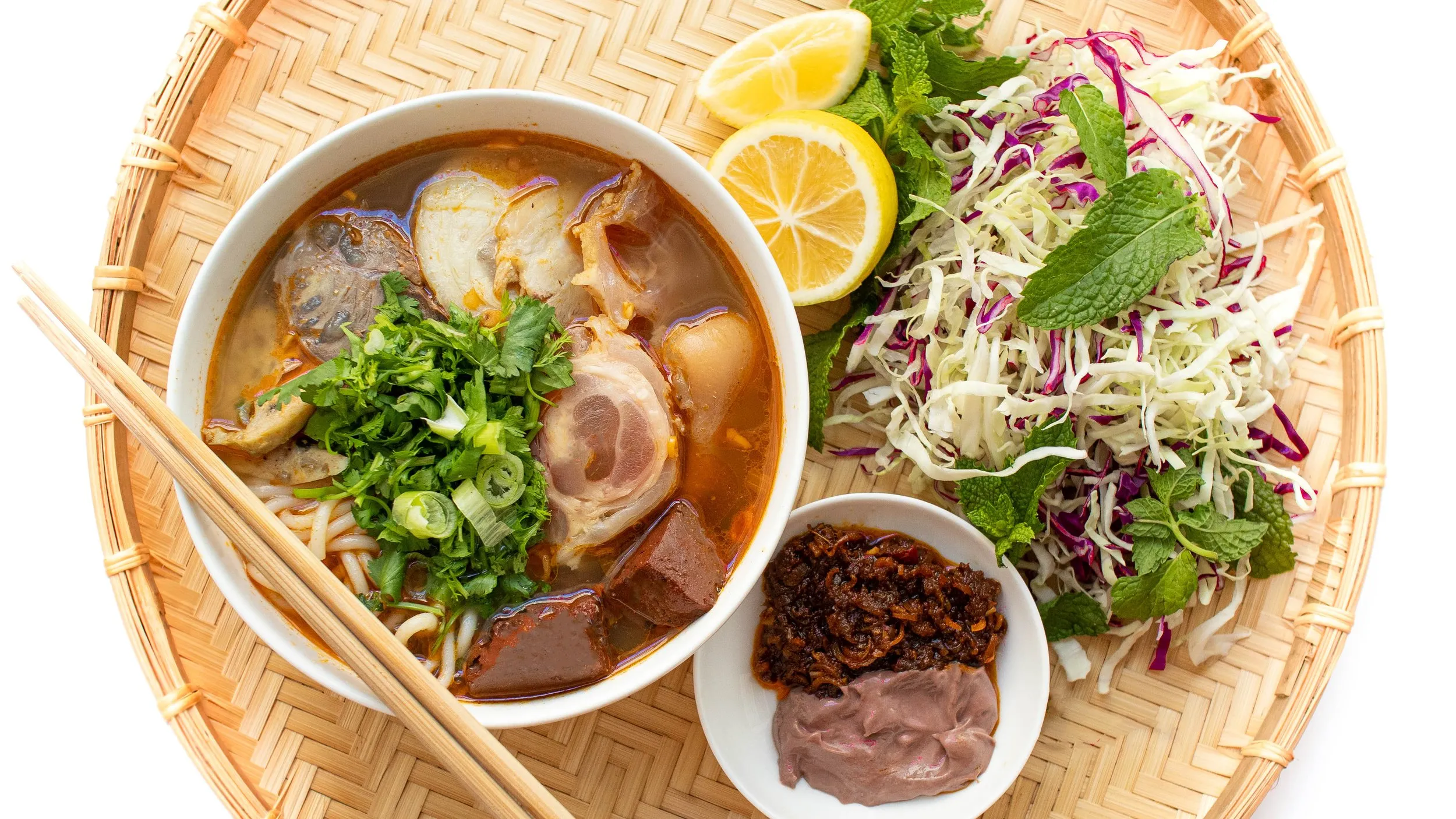
Hue’s fermented shrimp paste—the soul of the dish—must be handled skillfully so that the broth remains clear while still exuding a rich, lingering flavor. A standard bowl usually features a succulent piece of pork knuckle, a cube of congealed blood, thinly sliced beef brisket, and especially cha cua—a crab sausage made from fresh crab roe with a delicate sweetness. Hue noodles are also unique: thicker and chewier than those in the North, allowing them to soak up the spicy, aromatic broth.
Recommended Locations: Bun Bo Mu Roi (Nguyen Du), Bun Bo Ong Vong (Nguyen Du), or Bun Bo My Tam (Hanoi St.) – famous for serving late-night diners.
While Bun Bo represents elegance, Com Hen is the quintessential representative of the common folk, yet it involves astonishing preparation. For a truly local lunch, Com Hen is the top choice. This dish is a harmony of over 10 ingredients: leftover cold rice for a firm texture, savory sautéed clams, crispy pork rinds, salty roasted peanuts, fried pork skin, and an array of fresh greens like sliced banana blossoms, herbs, and especially finely shredded taro stalks (bac ha).
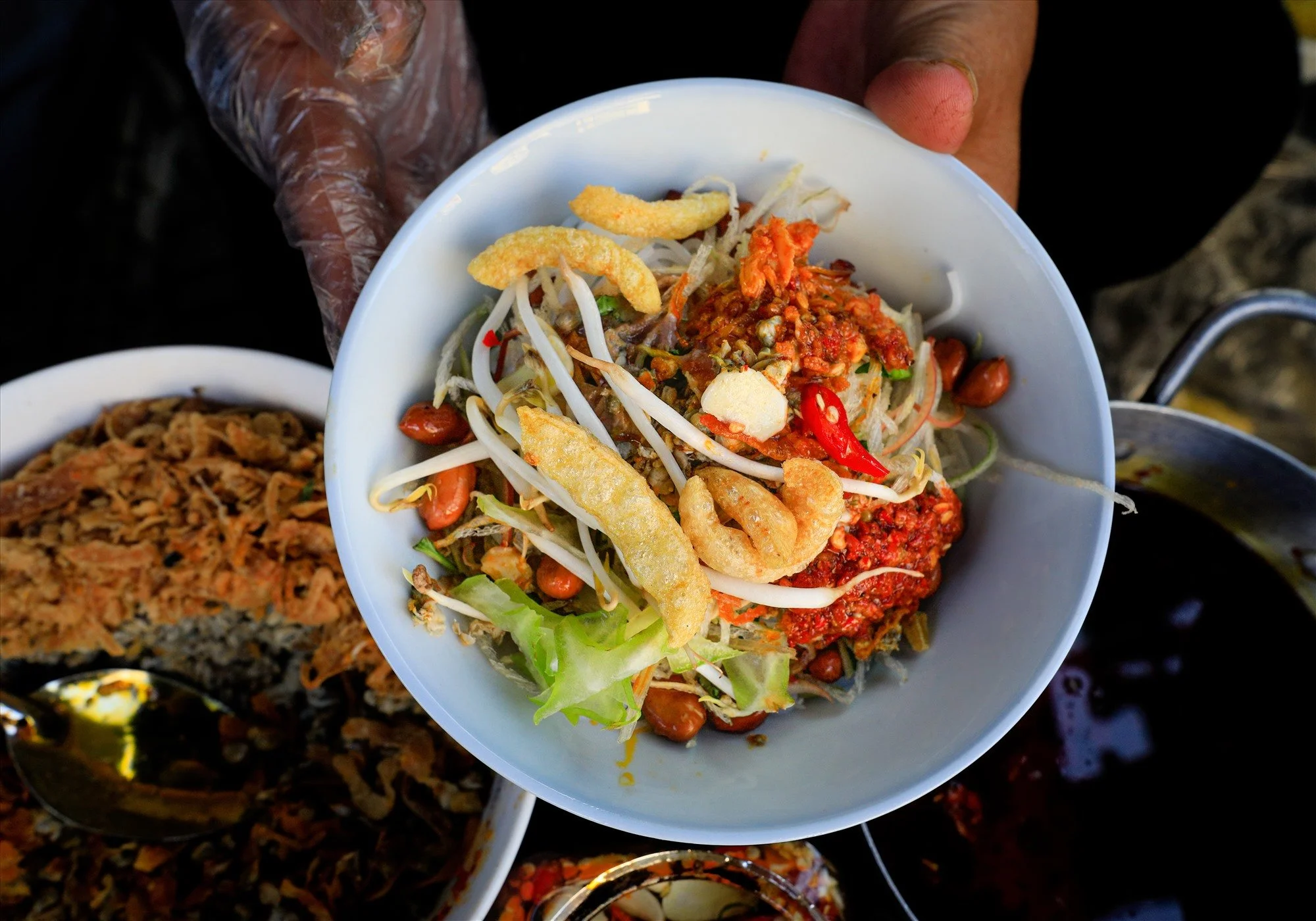
The highlight of the dish is a bowl of hot clam broth with a characteristic milky white color, seasoned with ginger and fermented shrimp paste to balance the cooling properties. To eat clam rice is to eat it spicy—a “tongue-burning” heat that helps diners fully appreciate the interplay between the sweetness of the clams, the richness of the pork rinds, and the freshness of the vegetables.
Recommended Locations: Con Hen area (Vi Da) – the birthplace of this dish, Com Hen Hoa Dong (7 Ung Binh), or stalls along Truong Dinh Street.
The third iconic dish that anyone looking for what to eat in Hue will adore is Nem Lui. Lean pork is finely ground, mixed with shredded pork skin and pork fat, and kneaded thoroughly until it reaches a perfect chewy consistency. The meat is then wrapped around fresh lemongrass stalks or small bamboo sticks and grilled directly over glowing charcoal.
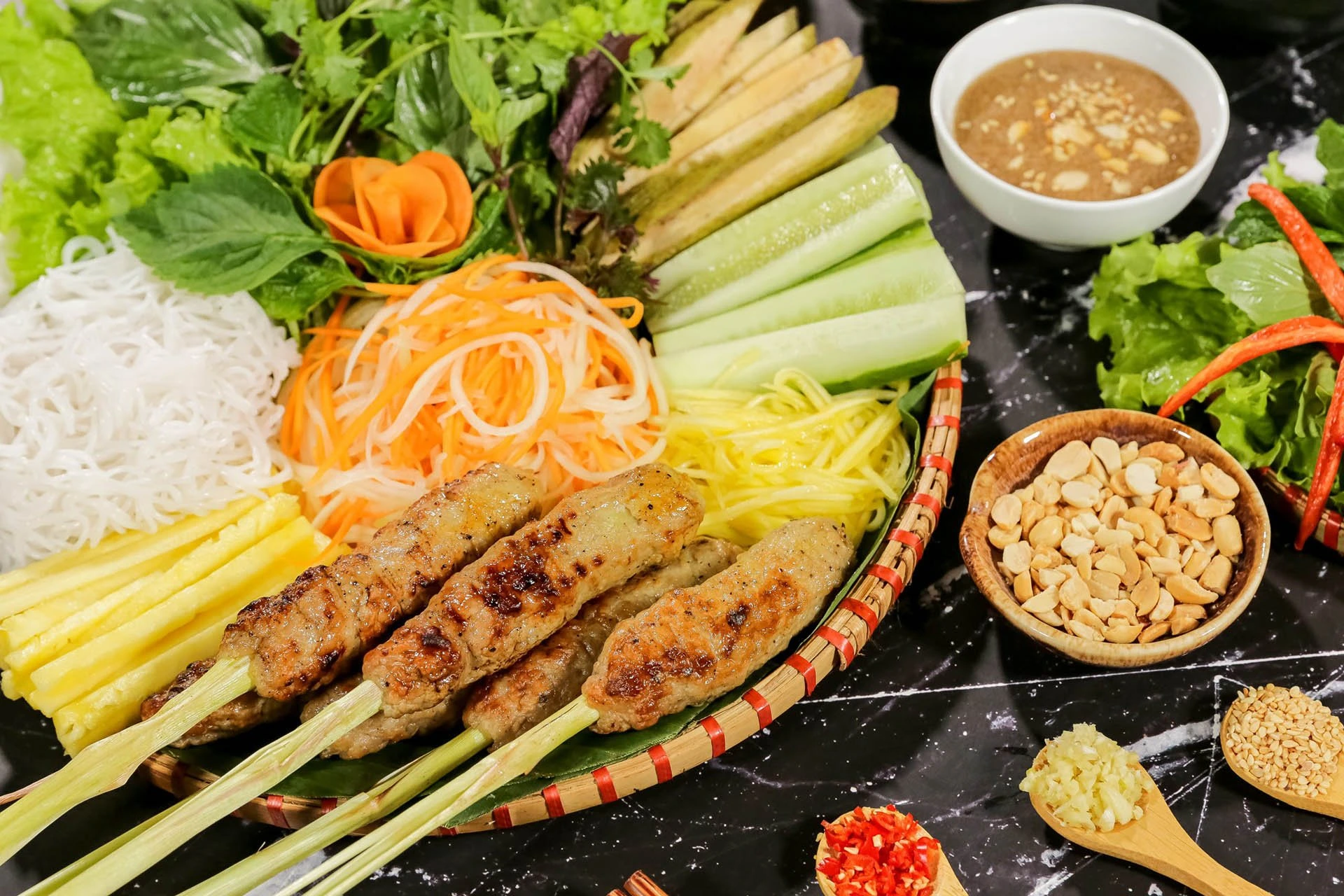
As it grills, the essential oils from the lemongrass seep into the meat, creating a fragrant aroma that fills the street. However, the secret of Hue’s Nem Lui lies in the accompanying dipping sauce (nuoc leo). Unlike standard sweet and sour fish sauce, Hue’s dipping sauce is elaborately prepared from pork liver, ground roasted peanuts, sesame, and heirloom spices, creating a thick, nutty, golden-brown mixture. When enjoying, you wrap the grilled meat in rice paper with fresh herbs, sliced green figs, and sour starfruit, dipping it deeply into the sauce to experience the essence of Central Vietnamese cuisine.
Recommended Locations: Quan Hanh (11 Pho Duc Chinh), Nem Lui Ba Ty (81 Dao Duy Tu).
The list of what to eat in Hue becomes even more vibrant with the world of traditional cakes. Each cake tells a story of the meticulousness of the women of the Ancient Capital.
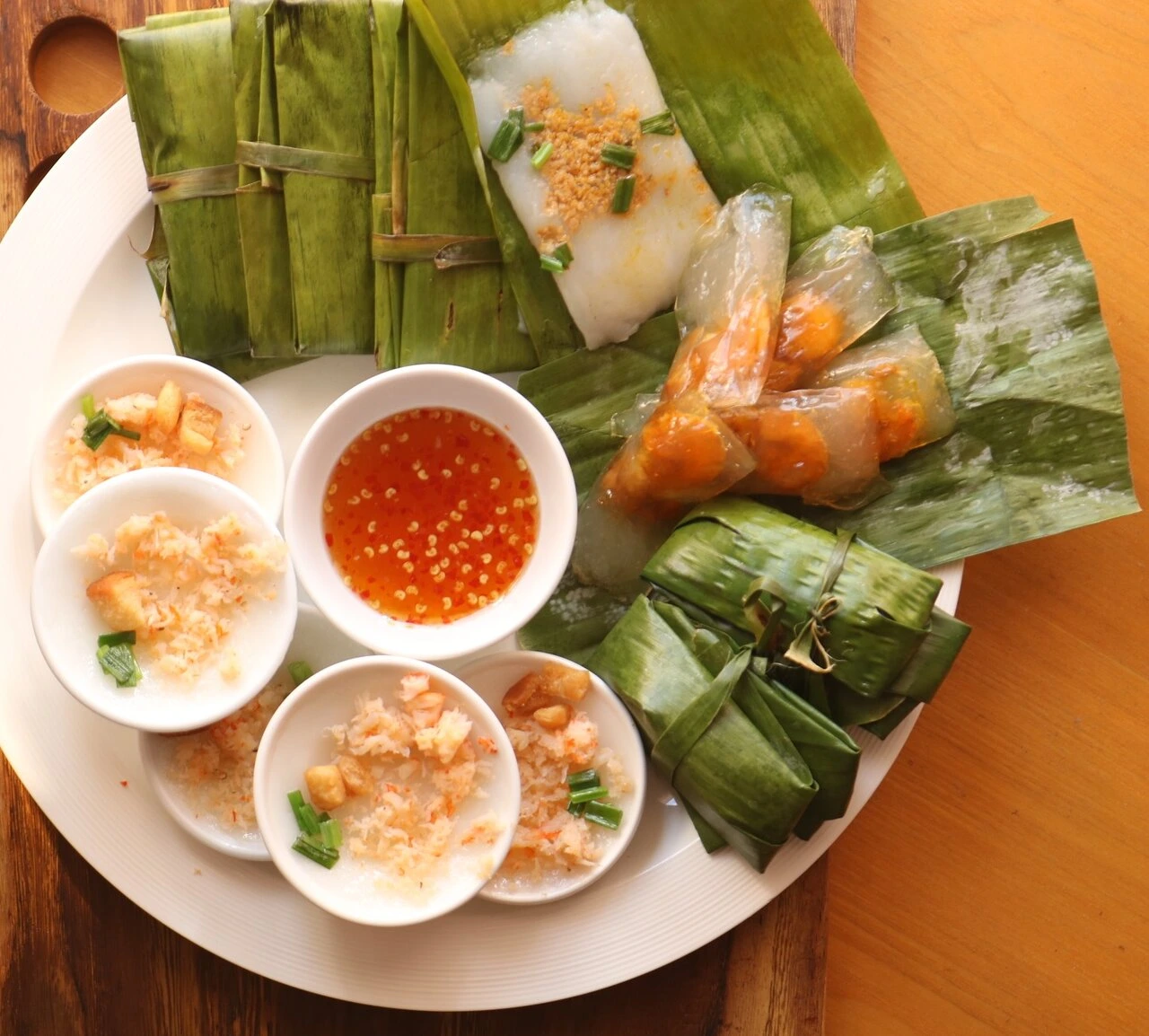
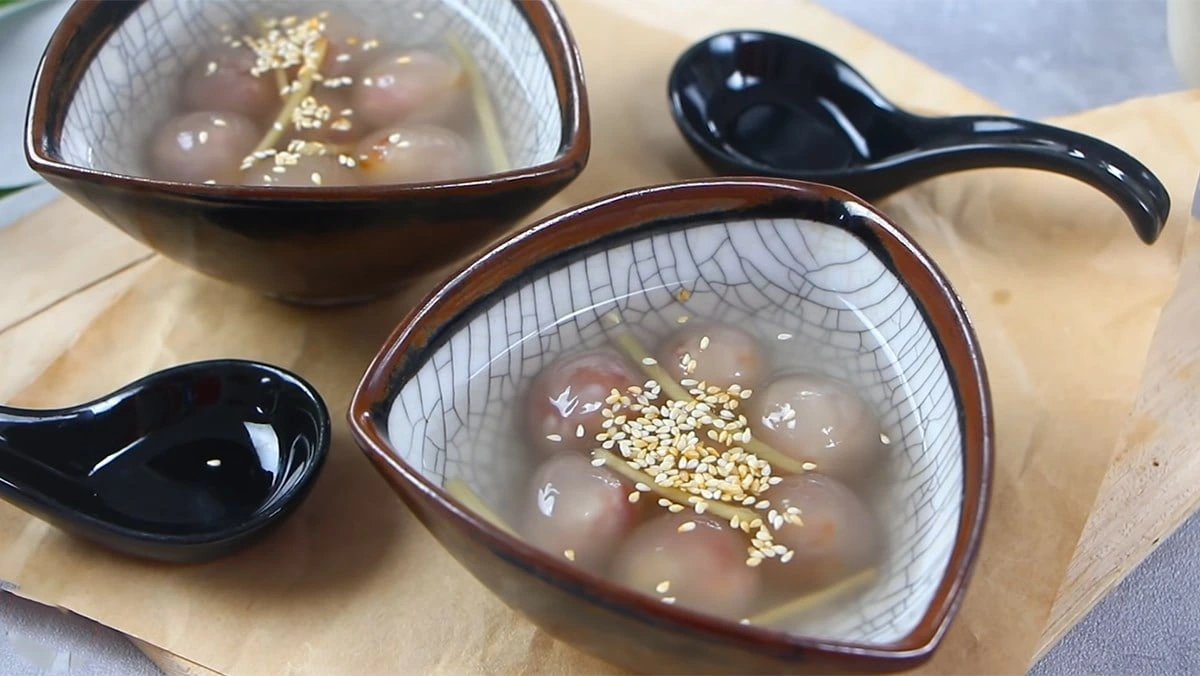
After the spicy main courses, the ideal dessert for your journey is Che. Hue has up to 36 types of sweet soups, ranging from aristocratic royal versions to rustic folk favorites:
To experience what to eat in Hue in the most fulfilling and professional way, please keep in mind:
Default Spices: People in Hue are masters of eating spicy food. If you cannot tolerate heat, remember to tell the host “No chili” (Khong cho ot) immediately when ordering.
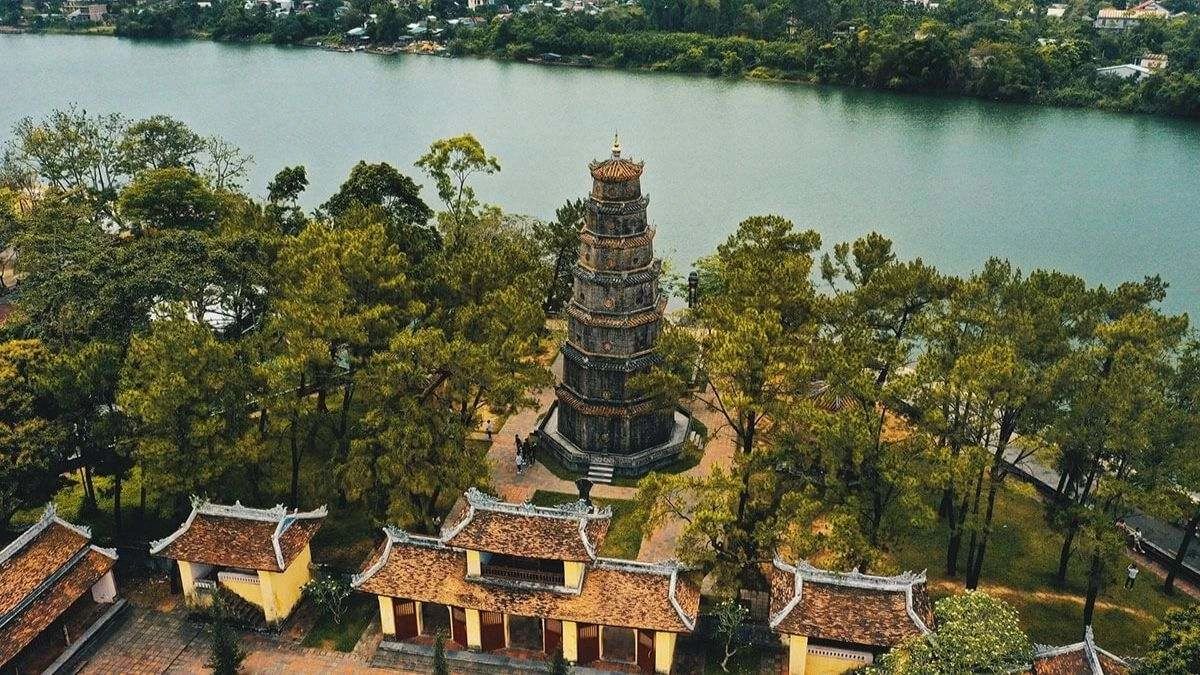
Service Timing: Bun Bo is an ideal breakfast (6 AM – 9 AM). Traditional cakes are mostly sold in the afternoon (from 3 PM). Meanwhile, the area at the foot of Truong Tien Bridge is a paradise for late-night sweet soups.
Payments: Although technology is widespread in 2026, cash or bank transfers via QR codes remain the primary methods at small traditional stalls or street vendors. Ensure your phone has a stable data connection for convenient transactions.
Discovering what to eat in Hue is not just about filling your stomach; it is a way to converse with the history and culture of this land. From the silent night calls of sweet soup vendors to the aromatic steam of a morning bowl of Bun Bo, Hue always leaves a deep impression on diners through its sophistication and human warmth. We hope this handbook helps you have a colorful and flavor-filled culinary journey in the Ancient Capital.
With Simply Vietnam Travel, you can rest assured that every detail of your itinerary has been meticulously prepared. As a specialist in organizing Central Vietnam tours, we offer you a diverse selection of well-structured itineraries that blend sightseeing, relaxation, and local cuisine, ensuring a fulfilling journey to unforgettable destinations.
A Central Vietnam adventure will be far more exciting when you simply bring your sense of exploration, while the planning is handled by Simply Vietnam Travel.
Contact us through the following channels for a free consultation:
Yes, Hue is famous for having the spiciest cuisine in Vietnam. While Northern food is balanced and Southern food is often sweeter, Hue locals use chili as a core ingredient to balance the “cooling” nature of seafood. If you have a low heat tolerance, always use the phrase “Khong cho ot” (No chili, please) when ordering.
Absolutely. Hue is the Buddhist heart of Vietnam, and vegetarianism is a deep-rooted tradition. You can find “Chay” (vegetarian) versions of almost every dish, including Bun Bo Hue Chay and Banh Loc Chay. Many locals eat vegetarian on the 1st and 15th of each lunar month, so vegetarian restaurants are abundant and high-quality.
To eat Banh Beo like a native, use a thin bamboo spatula (or a spoon) to swirl around the edge of the small ceramic saucer to loosen the rice cake. Drizzle a little bit of the specialized sweet fish sauce over the top, then scoop the whole cake out in one go. Avoid using too much sauce, as it can overwhelm the delicate taste of the steamed flour.
This is a unique culinary tradition of Hue. Locals believe that the rice must be cool to create a contrast with the piping hot clam broth served on the side. This temperature contrast, combined with the crunchy textures of the vegetables and pork rinds, creates the distinctive “soul” of the dish.
Street food is a major part of the Hue experience and is generally safe, especially at stalls with high customer turnover. To be extra cautious, look for vendors where the ingredients are neatly organized and the preparation area is clean. For 2026, most established street vendors also follow improved hygiene standards to cater to the growing number of international foodies.