291/2 Le Van Hien, Da Nang, Vietnam
hi@simplyvietnamtravel.com
+84 793 553 385
Mon – Sun 8.00 – 18.00

 travel
March 3, 2026
travel
March 3, 2026
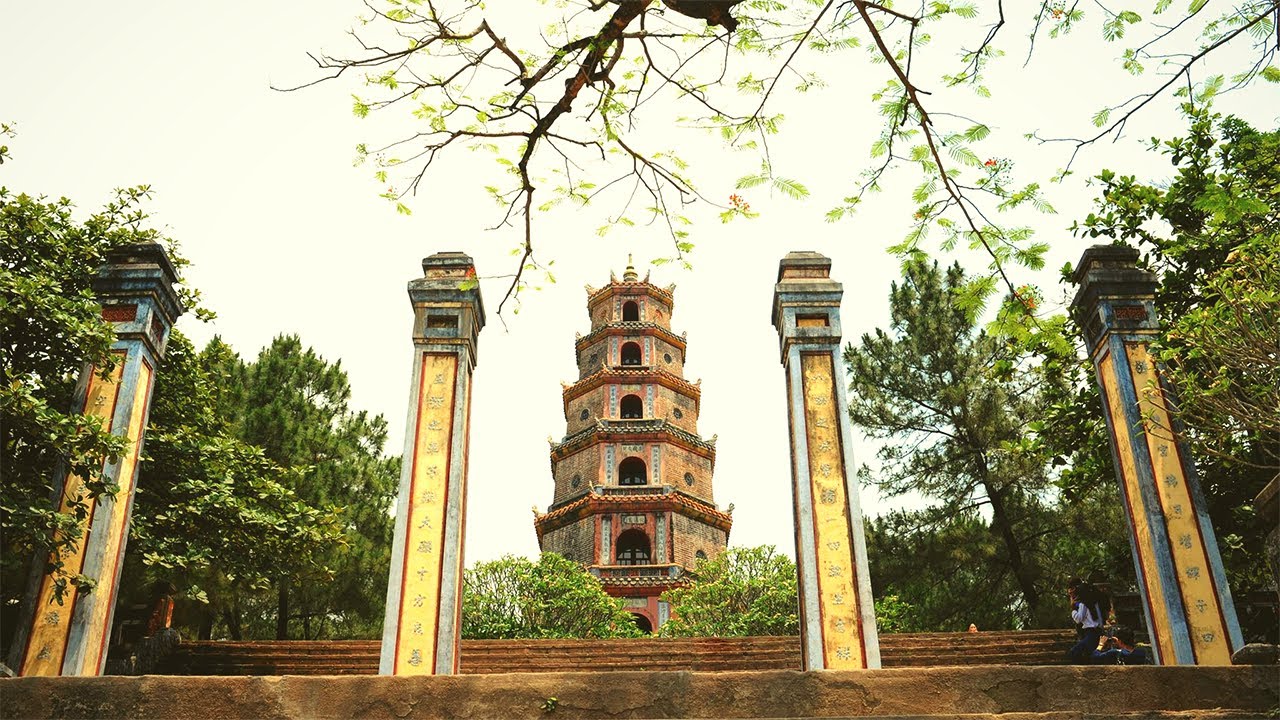
Overlooking the serene Perfume River, Thien Mu Pagoda is one of Hue’s most recognizable spiritual landmarks. Established in 1601, the temple reflects centuries of royal heritage and Buddhist tradition, standing as a symbol of the former imperial capital. Its graceful seven-story tower, peaceful courtyards, and sacred shrines attract travelers seeking both cultural depth and quiet reflection. Beyond its architectural charm, the site holds powerful historical stories that shaped Vietnam’s identity. In this guide, Simply Vietnam Travel shares essential insights and practical tips to help you explore this riverside sanctuary with confidence and appreciation.
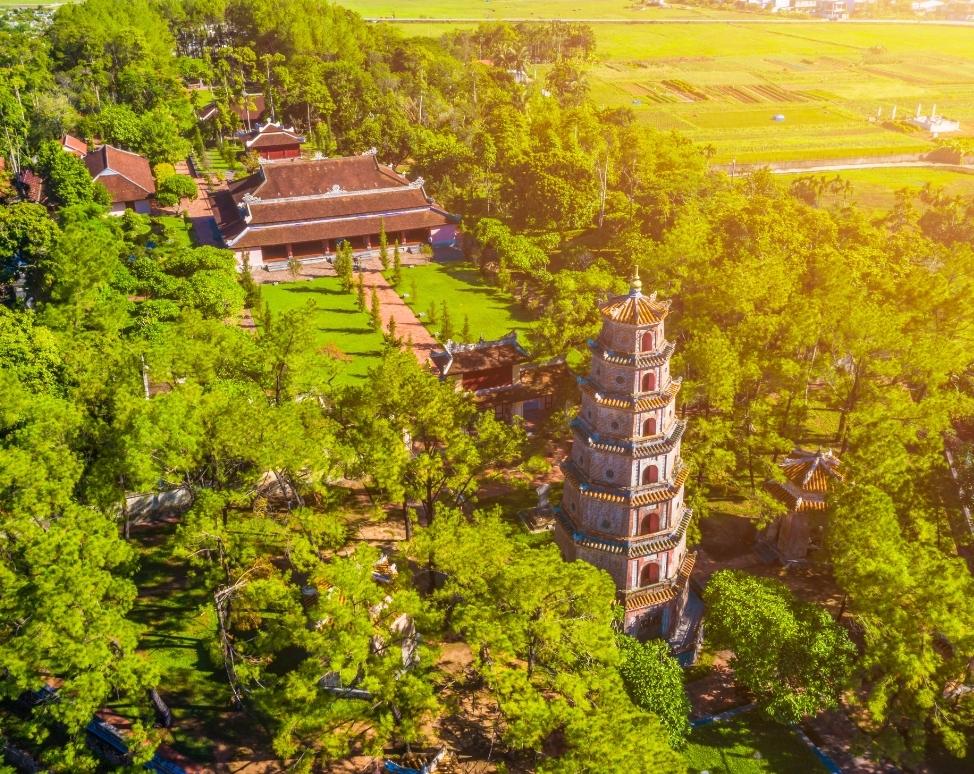
For over four centuries, Thien Mu Pagoda has stood as a spiritual and historical symbol of Hue. Its story reflects the rise of the Nguyen Lords, the glory of the imperial era, and the social transformations of modern Vietnam.
The origins of Thien Mu Pagoda date back to 1601, when Lord Nguyen Hoang ordered the construction of a temple on Ha Khe Hill. Local legend tells of an elderly woman who predicted that a great leader would build a sacred site there to protect the region. Inspired by the prophecy, the lord established the pagoda overlooking the Perfume River, giving it both spiritual and strategic importance.
During the Nguyen Dynasty, Thien Mu Pagoda became closely connected to the royal court. Emperors sponsored renovations, expanded the complex, and strengthened its role as a major Buddhist center in central Vietnam.
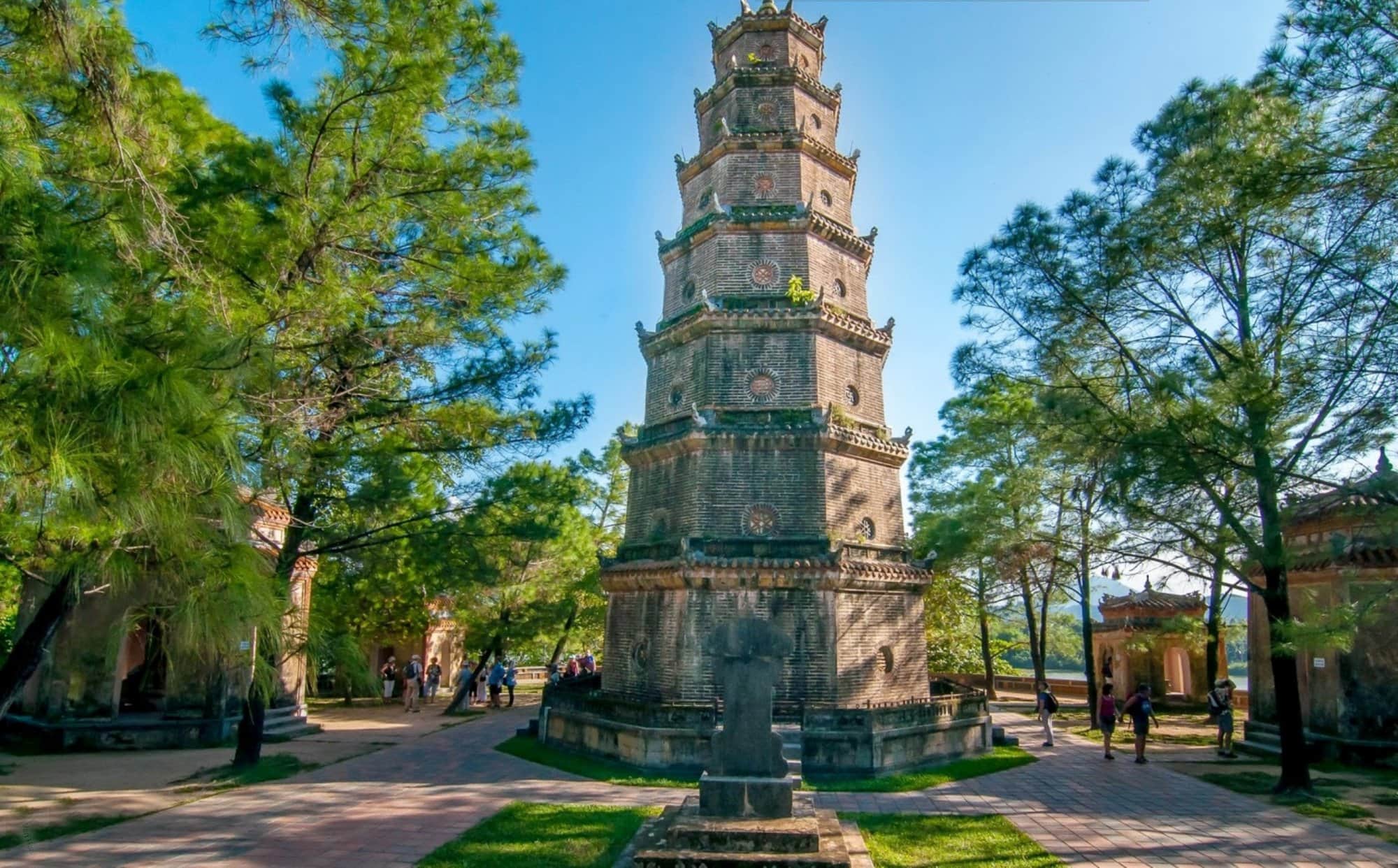
The iconic seven-story Phuoc Duyen Tower, built in 1844, remains one of the most recognizable landmarks in Hue. Through preserved relics and inscriptions, visitors today can trace layers of Thien Mu Pagoda history embedded within the architecture and sacred spaces.
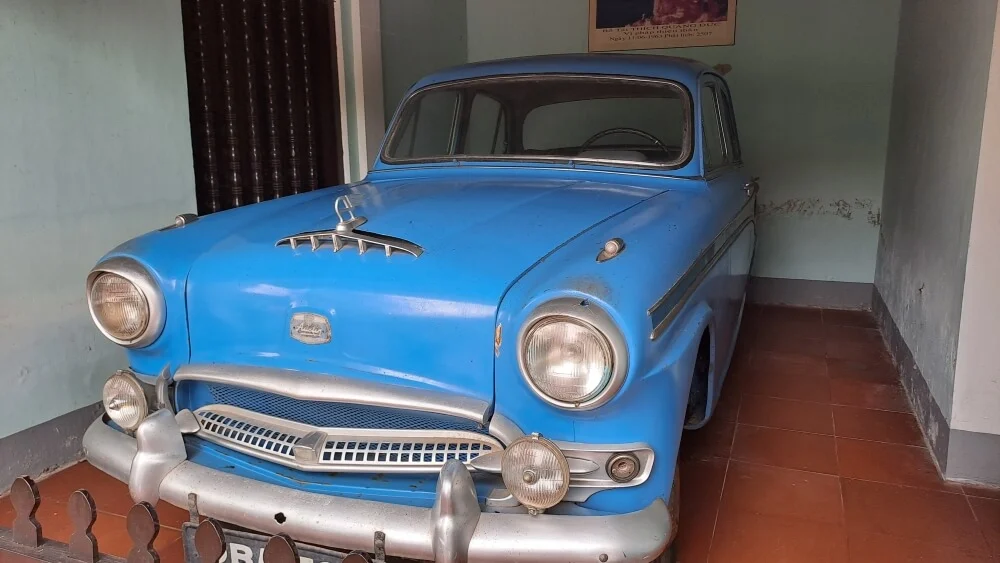
In the 20th century, Thien Mu Pagoda gained international attention due to events that shaped modern Vietnamese history. The preserved Austin car displayed on the grounds stands as a powerful reminder of that period.
Despite political change and conflict, the site continues to function as a living monastery, where daily prayers and quiet reflection connect the past with the present.
Beyond its historical legacy, Thien Mu Pagoda impresses visitors with harmonious architecture, sacred symbolism, and well-preserved relics that reflect centuries of Buddhist devotion and imperial patronage.
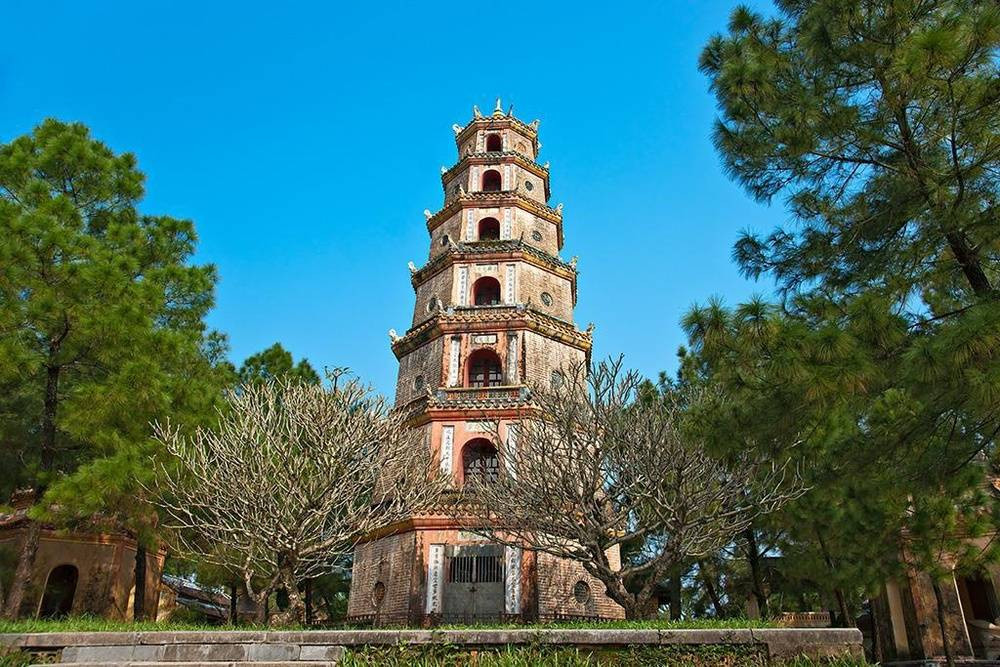
The most striking structure within Thien Mu Pagoda is the seven-story Phuoc Duyen Tower, built in 1844 under Emperor Thieu Tri. This octagonal brick tower stands approximately 21 meters high and is dedicated to different manifestations of the Buddha on each level. Its symmetrical design, arched doorways, and delicate decorative details embody classical Nguyen Dynasty aesthetics. Positioned near the riverbank, the tower creates a dramatic silhouette at sunrise and sunset, making it a defining visual symbol of Hue.
At the spiritual heart of Thien Mu Pagoda lies the Dai Hung Shrine, the main worship hall where monks conduct daily rituals and ceremonies. Inside, visitors can observe gilded Buddha statues, ornate lacquered altars, and intricately carved wooden panels that reflect traditional Vietnamese craftsmanship. The scent of incense and the soft echo of chanting create a calm atmosphere, allowing travelers to experience the living spiritual function of the complex rather than viewing it as merely a historical monument.
Among the most remarkable things to see at Thien Mu Pagoda is the Great Bell, cast in 1710. Weighing over two tons, the bronze bell is engraved with classical Chinese characters describing Buddhist teachings and royal patronage. It is said that the sound of the bell once carried across the Perfume River, symbolizing protection and peace for the surrounding region. Nearby stone steles record major renovations and imperial contributions, offering valuable insight into the site’s religious importance.
Within a modest exhibition space on the grounds of Thien Mu Pagoda, visitors will find a preserved blue Austin car linked to a pivotal event in 1963. This artifact connects the sacred complex to modern Vietnamese history and global awareness. Its presence adds emotional depth to the visit, reminding travelers that the site has witnessed not only spiritual devotion but also moments of profound national significance.
Reaching Thien Mu Pagoda is simple and convenient, whether you prefer independent travel or guided experiences. Located about five kilometers from Hue’s city center, the site is easily accessible by road or river.
Travelers staying downtown can reach Thien Mu Pagoda in around 10–15 minutes by taxi or ride-hailing services. Motorbike rentals are also a popular option for those who want flexibility and scenic stops along the way. Cycling is possible as well, especially for visitors who enjoy slow travel and riverside views.
If you are researching how to get to Thien Mu Pagoda, most local hotels and tour desks can arrange transportation or provide clear directions. The route follows Kim Long Street, offering a pleasant ride through quiet residential areas.
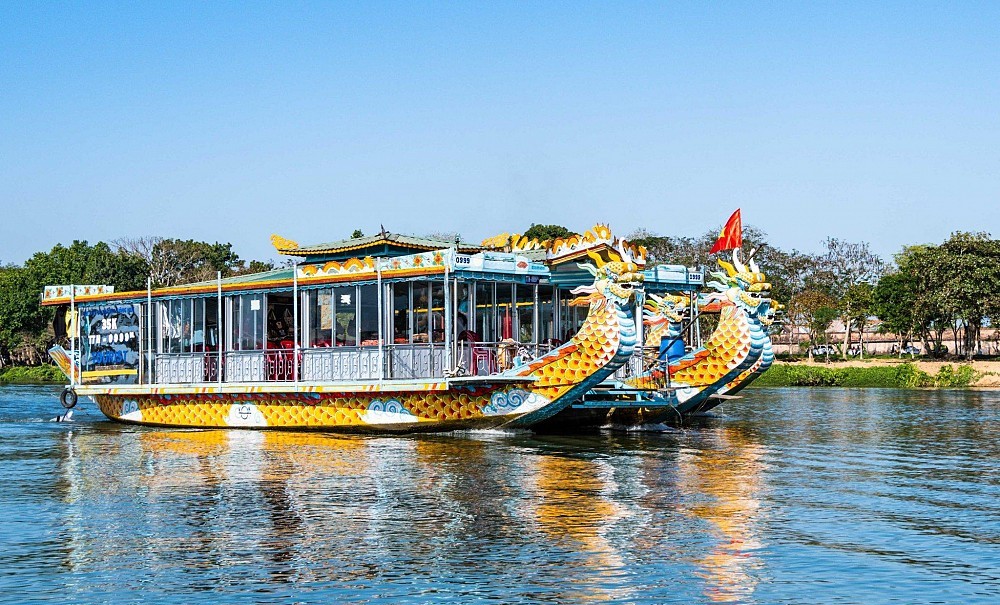
One of the most memorable ways to visit Thien Mu Pagoda is by dragon boat along the Perfume River. These traditional boats depart from central piers and combine sightseeing with a relaxing cruise experience. The journey allows visitors to appreciate the natural beauty of Hue before arriving directly at the pagoda’s riverside steps.
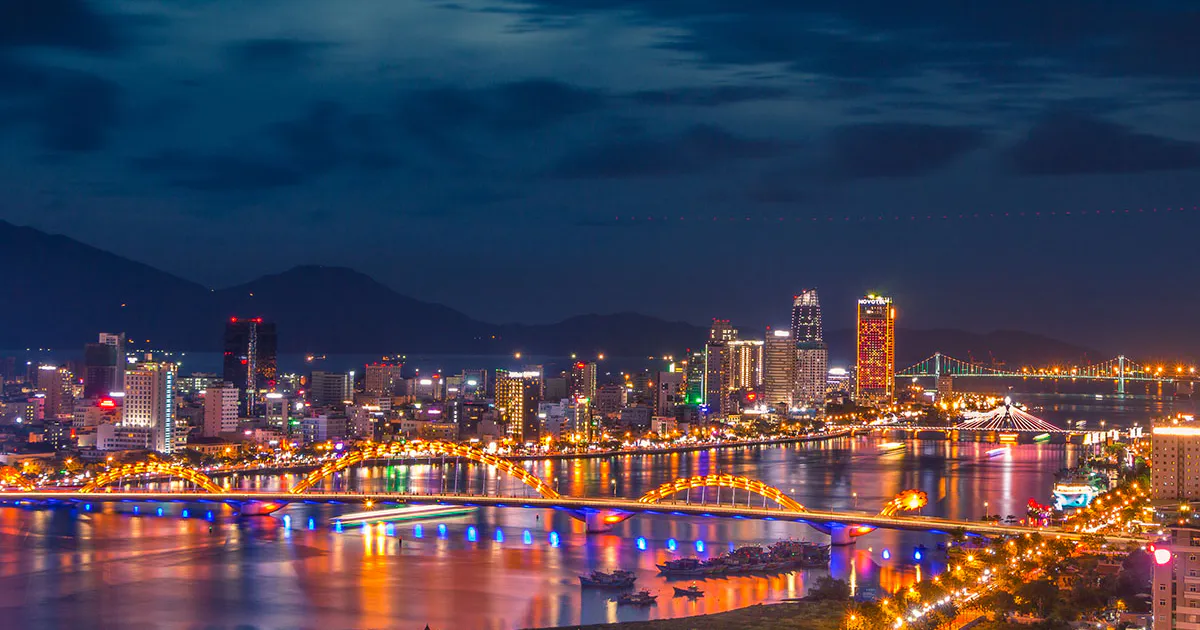
Many travelers combine Hue with Da Nang in the same itinerary. After visiting Thien Mu Pagoda, you can continue South via the scenic Hai Van Pass toward Da Nang, where attractions like Ba Na Hills offer a completely different mountain resort experience.
For a more structured experience, guided city tours often include Thien Mu Pagoda as part of a half-day or full-day itinerary. Private drivers provide flexibility in timing, making it easier to combine the visit with nearby attractions.
Whichever option you choose, arriving early in the morning or later in the afternoon can make your trip to Thien Mu Pagoda more comfortable and less crowded.
Careful planning can enhance your overall experience at Thien Mu Pagoda. Knowing practical details such as opening hours, visitor etiquette, and seasonal conditions will help you enjoy the site respectfully and comfortably.
Thien Mu Pagoda is typically open daily from around 8:00 AM to 5:00 PM, although visiting earlier in the morning allows you to experience a quieter and more spiritual atmosphere. As this is an active place of worship, modest attire is strongly recommended. Visitors should wear clothing that covers shoulders and knees, and hats should be removed when entering prayer halls. Speaking softly and avoiding disruptive behavior ensures that the peaceful environment of Thien Mu Pagoda remains preserved for monks and worshippers alike.
There is no official Thien Mu Pagoda entrance fee, making it accessible to both local and international travelers. While admission is free, donation boxes are placed throughout the complex for those who wish to contribute to maintenance and religious activities. Photography is generally permitted in outdoor areas, but visitors should be respectful and avoid using flash inside sacred spaces. Taking time to move slowly through the courtyards allows you to appreciate the spiritual character of Thien Mu Pagoda without rushing.
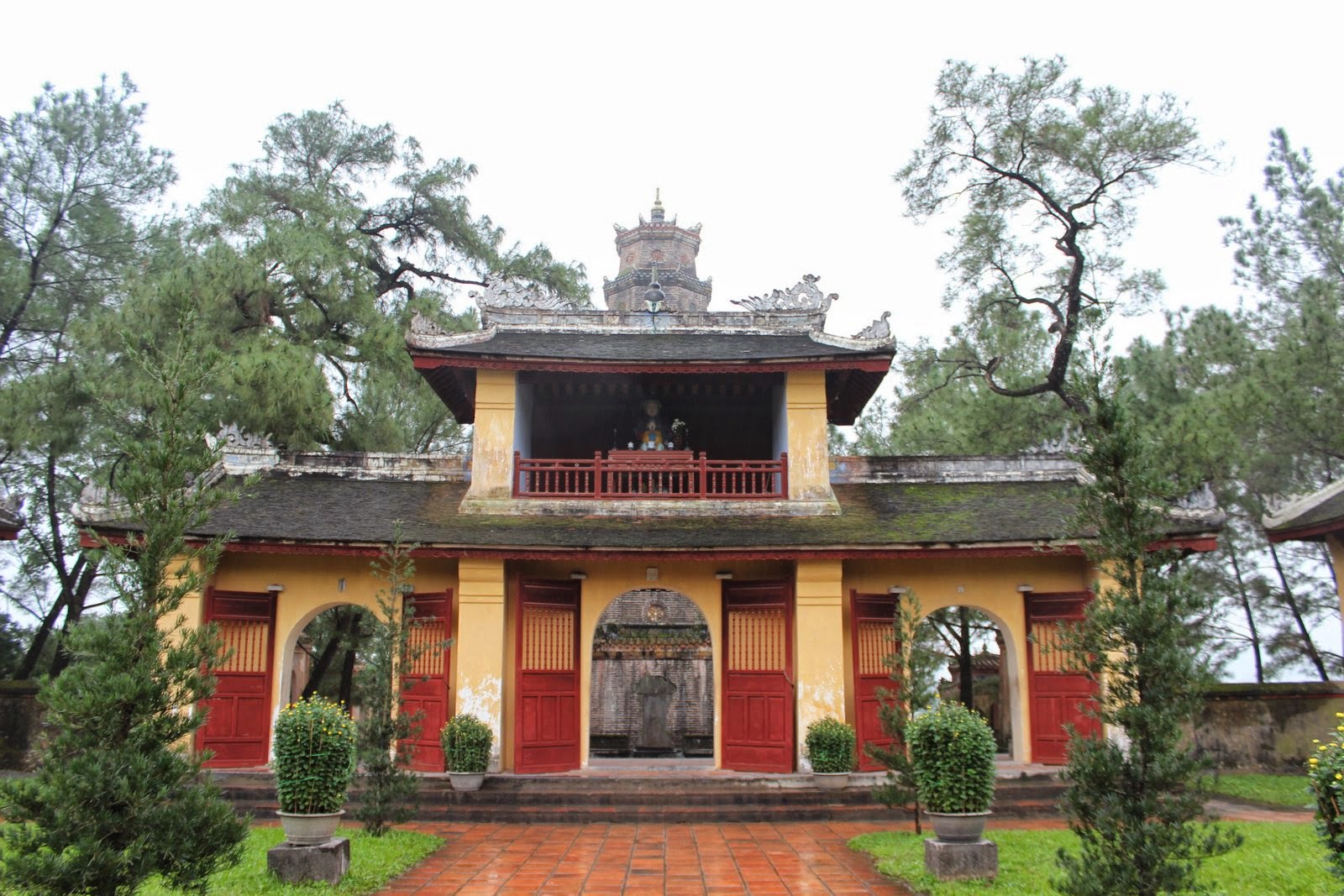
Hue’s climate can significantly influence your travel experience. The best time to visit Thien Mu Pagoda is during the dry season, particularly between March and August, when skies are clearer and the Perfume River reflects beautiful sunlight. From September to January, heavy rainfall may occur, sometimes causing flooding in low-lying areas. Visiting early in the morning or near sunset not only helps you avoid large tour groups but also provides softer lighting for photography around Thien Mu Pagoda.
To fully appreciate the cultural richness of Hue, visitors are encouraged to plan their itinerary thoughtfully. A well-organized visit to Thien Mu Pagoda can easily be combined with nearby imperial landmarks, scenic river routes, and historical monuments for a deeper and more rewarding experience.
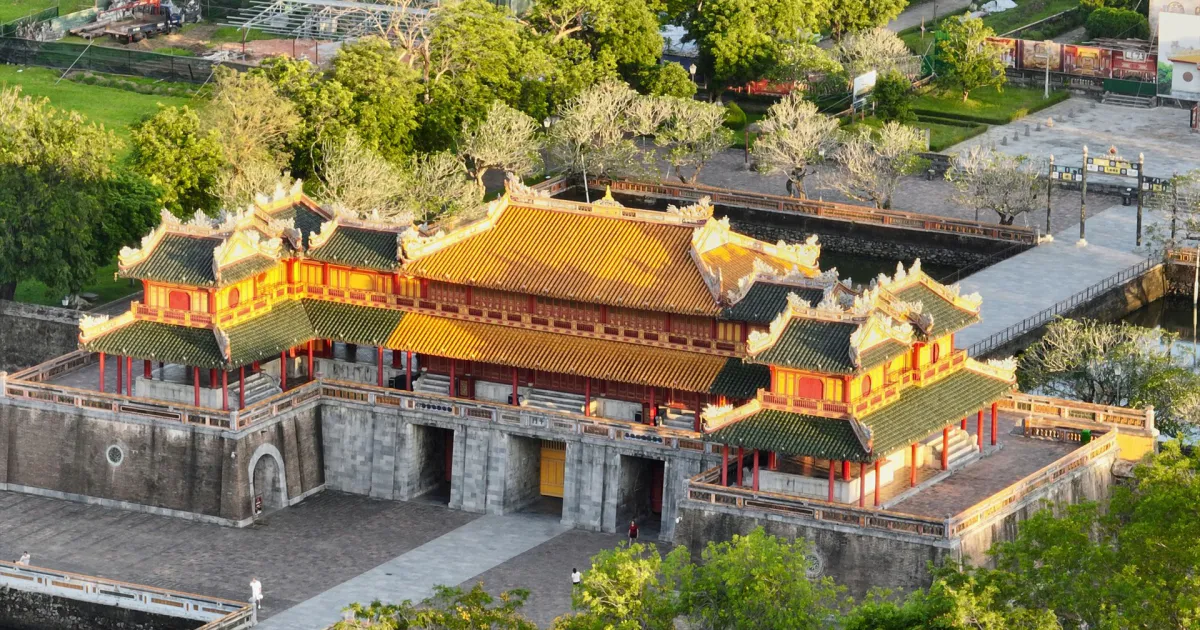
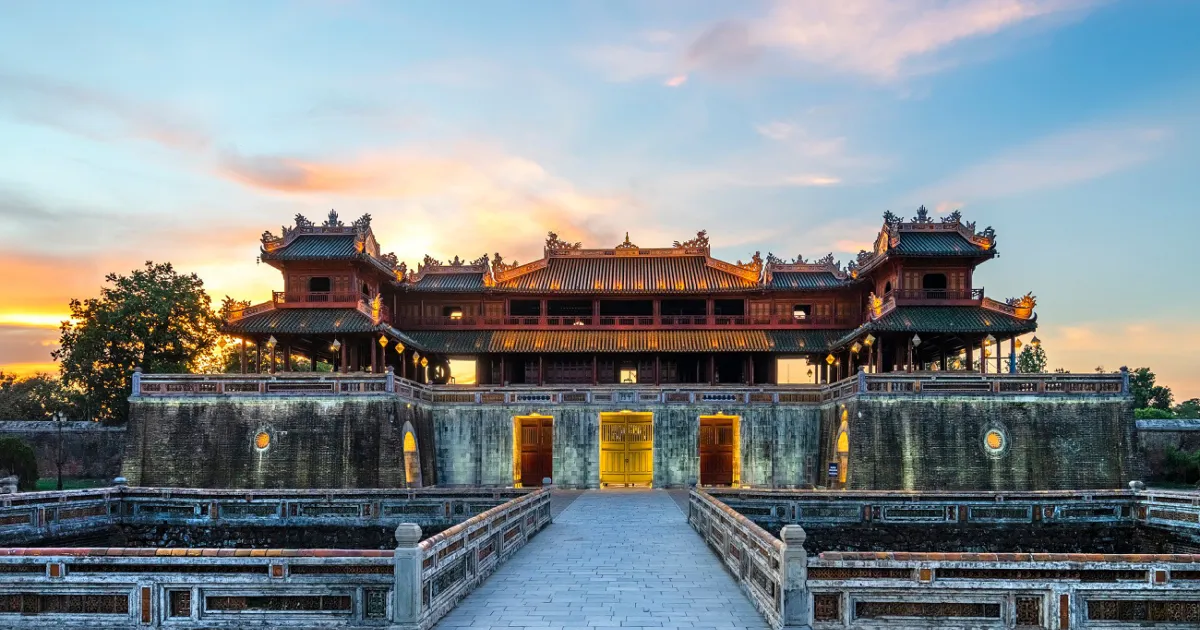
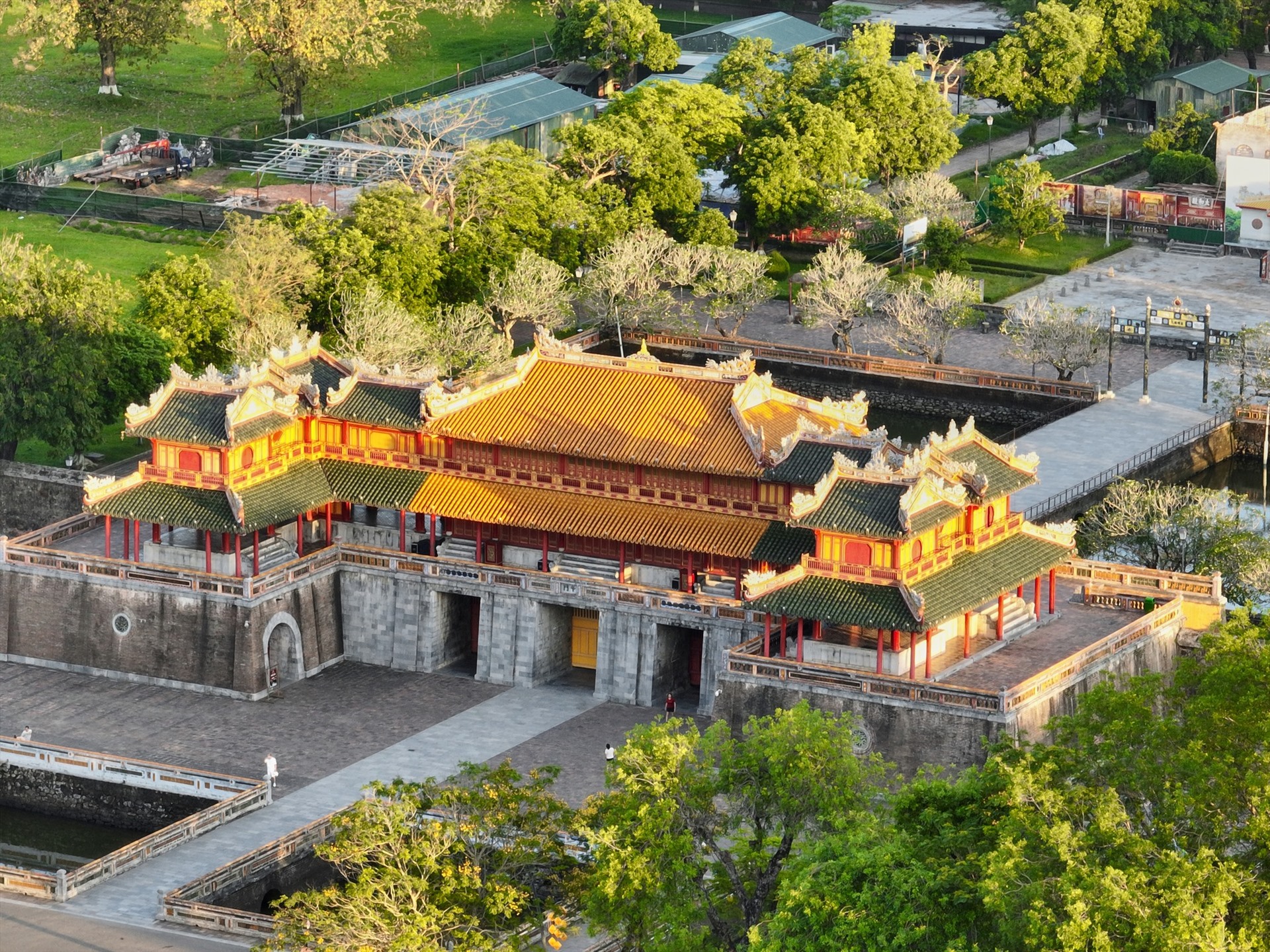
After exploring the serene courtyards of Thien Mu Pagoda, many travelers continue to the Imperial City, the former political and ceremonial heart of the Nguyen Dynasty. Walking through its massive gates, palaces, and ancient temples provides valuable historical context that complements the spiritual atmosphere experienced earlier. Visiting both sites in the same day allows you to understand how religion and royal authority were closely connected in Hue’s past.
If you’re planning a longer Central Vietnam itinerary after visiting Thien Mu Pagoda, consider heading South to Da Nang. Just about 2 hours from Hue, the city offers beaches, modern cafes, and lush mountain landscapes. One of the most stunning nature escapes in the area is Son Tra Peninsula, known for its jungle-covered hills, scenic coastal roads, and panoramic ocean views.
The royal tombs scattered along the Perfume River offer another compelling extension to your visit. Each tomb reflects the personality and architectural taste of its emperor, from the poetic landscape of Tu Duc’s resting place to the dramatic fusion of Eastern and Western design at Khai Dinh’s mausoleum. When paired with Thien Mu Pagoda, these monuments create a well-rounded journey that highlights the artistic, spiritual, and political dimensions of the imperial era.
A boat ride along the Perfume River is one of the most relaxing ways to enhance your visit. Many travelers choose to arrive at or depart from Thien Mu Pagoda by traditional dragon boat, transforming transportation into a scenic cultural activity. The gentle flow of the river, combined with views of riverbanks and distant hills, adds a tranquil rhythm to the day.
For those interested in photography or peaceful reflection, timing plays an important role. Early mornings provide soft light and fewer visitors, allowing you to capture the silhouette of Thien Mu Pagoda against a pastel sky. Late afternoon offers warm golden tones and cooler temperatures, creating ideal conditions for both exploration and contemplation. Taking time to sit quietly in the courtyard or observe daily monastic life can turn a simple sightseeing stop into a meaningful travel memory.
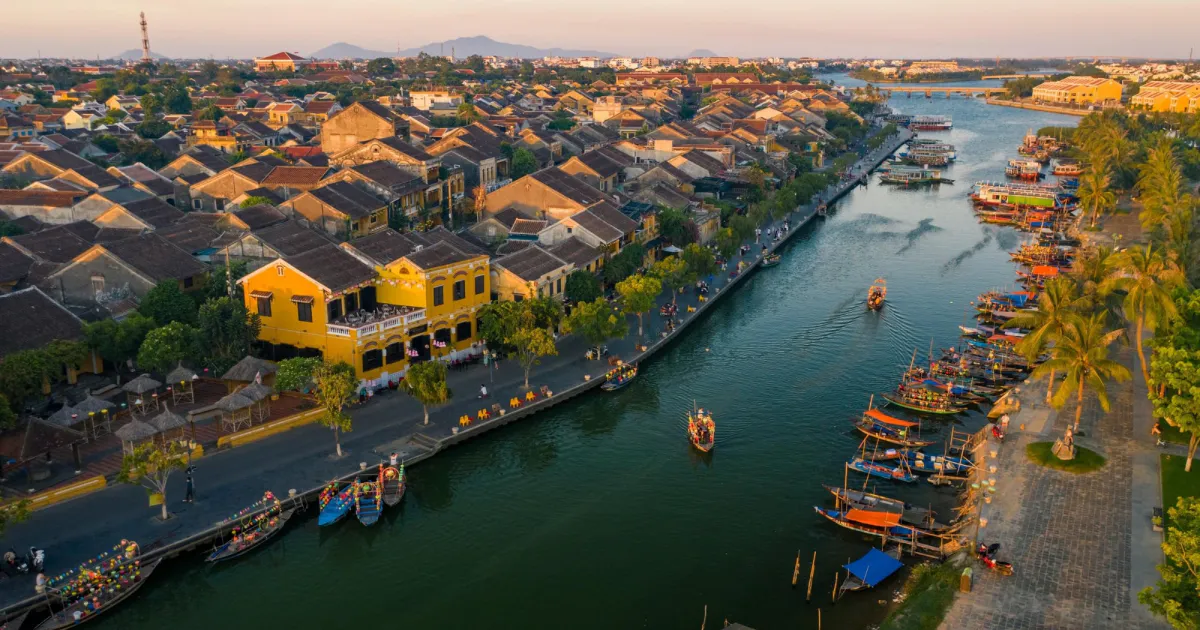
If you’re building a Central Vietnam itinerary, consider pairing the spiritual atmosphere of Hue with hands-on cultural experiences further South. Destinations like Cam Thanh Coconut Village in Hoi An offer a different perspective of local life — from basket boat rides to eco-tourism activities in water coconut forests.
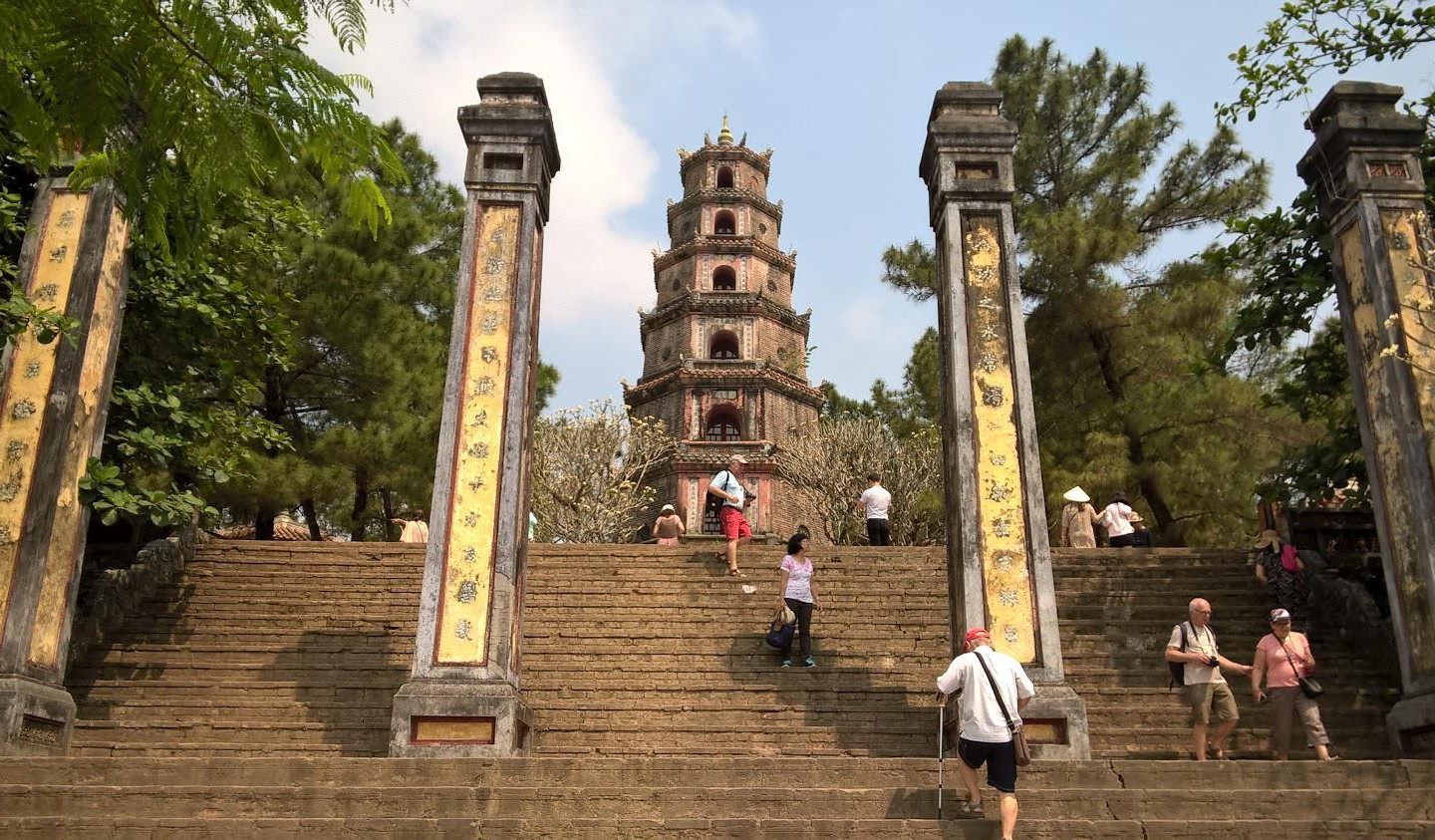
With its riverside setting, centuries-old architecture, and powerful historical legacy, Thien Mu Pagoda remains one of Hue’s most meaningful cultural landmarks. From imperial patronage to modern historical significance, the site offers far more than beautiful scenery—it tells the story of faith, resilience, and national identity. Whether you are planning a short city tour or a deeper heritage journey, this sacred complex deserves a place on your itinerary.
Let Simply Vietnam Travel help you design a personalized Hue experience that connects history, culture, and authentic local insights. Start planning your journey today and discover the timeless charm of Thien Mu Pagoda with expert guidance and seamless travel support.
Contact us through the following channels for a free consultation:
1. Is there an entrance fee to visit the pagoda?
No, entry is free, but donations are welcome to support maintenance and religious activities.
2. How long should I spend exploring the site?
Most visitors spend about 45 minutes to 1.5 hours walking through the tower, shrine, and surrounding grounds.
3. Can I visit the pagoda as part of a half-day tour?
Yes, it is commonly included in half-day city tours along with the Imperial City and nearby royal tombs.