291/2 Le Van Hien, Da Nang, Vietnam
hi@simplyvietnamtravel.com
+84 793 553 385
Mon – Sun 8.00 – 18.00

 travel
April 7, 2026
travel
April 7, 2026
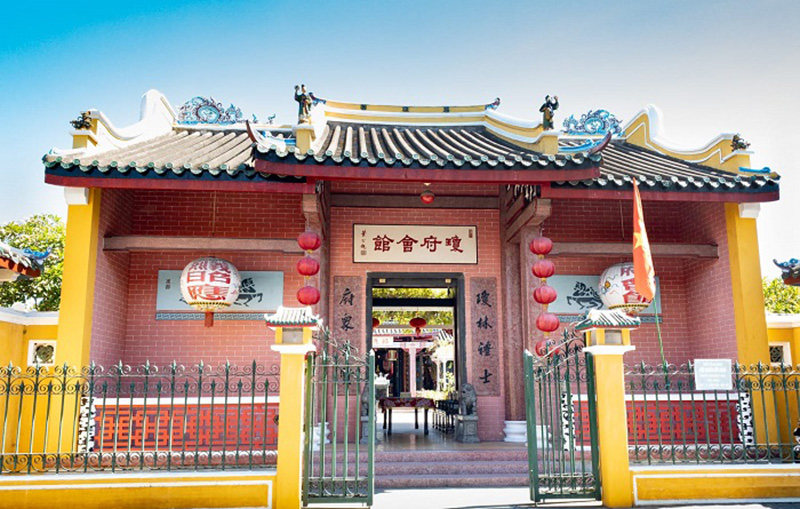
Hoi An is famous for its multicultural heritage, where Vietnamese, Japanese, and Chinese influences blend beautifully in architecture and traditions. Among the many historical landmarks in the ancient town, Hainan Assembly Hall stands out as a meaningful cultural site built by the Hainanese community centuries ago. Today, travelers exploring the town with Simply Vietnam Travel can discover this unique place while learning about the stories, traditions, and architectural beauty that make it one of the most fascinating heritage landmarks in Hoi An. Beyond its historic landmarks, the town is also known for its charming lantern streets, riverside cafés, and vibrant Hoi An nightlife.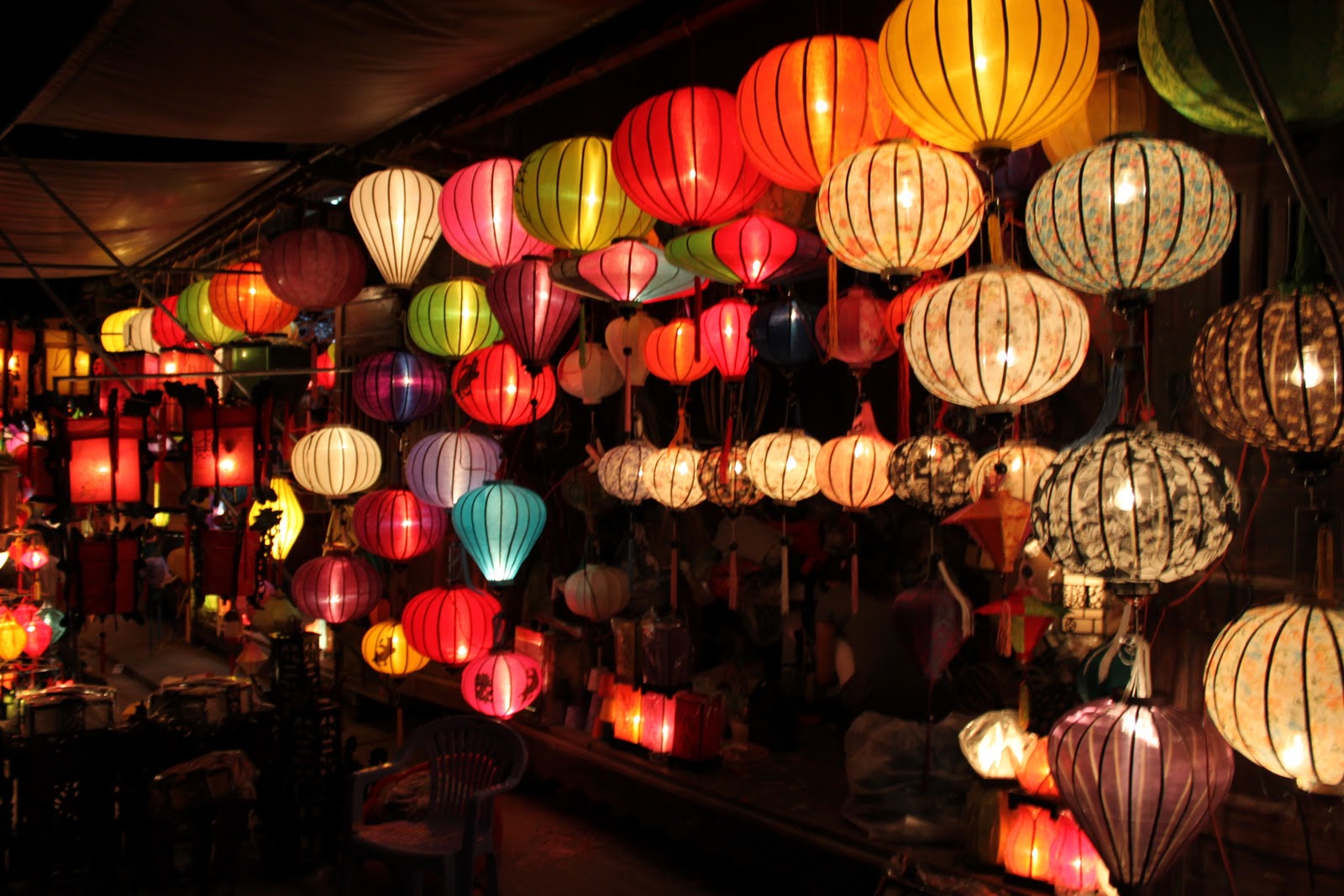
Located in the historic center of Hoi An, Hainan Assembly Hall represents an important chapter in the town’s multicultural past. Built by Chinese immigrants from Hainan Island, the hall reflects the traditions, beliefs, and community life of merchants who once thrived in this busy trading port.
Travelers visiting the ancient town will easily find Hainan Assembly Hall on Tran Phu Street, one of the most historic streets in the old quarter. The building stands among many preserved temples, merchant houses, and cultural landmarks that reflect centuries of international trade. The location known today as Hainan Assembly Hall Hoi An sits within the UNESCO-listed Old Town area, allowing visitors to reach it conveniently while exploring the pedestrian streets and nearby heritage sites.
Today, Hainan Assembly Hall is recognized as one of the most culturally meaningful landmarks in the ancient town. Its architecture, spiritual significance, and historical background make it a fascinating stop for visitors interested in local heritage. Among the many Hoi An Chinese Assembly Halls, this site is unique because it also serves as a memorial space honoring members of the Hainanese community who lost their lives during historic maritime events.
The story of Hainan Assembly Hall began in the 17th century when merchants from Hainan Island arrived in Hoi An during the peak of its trading era. These traders formed a close community and contributed significantly to the port’s economic activity. The history of Hainan Assembly Hall reflects how these migrants established a shared space for gatherings, religious ceremonies, and cultural celebrations while living far from their homeland.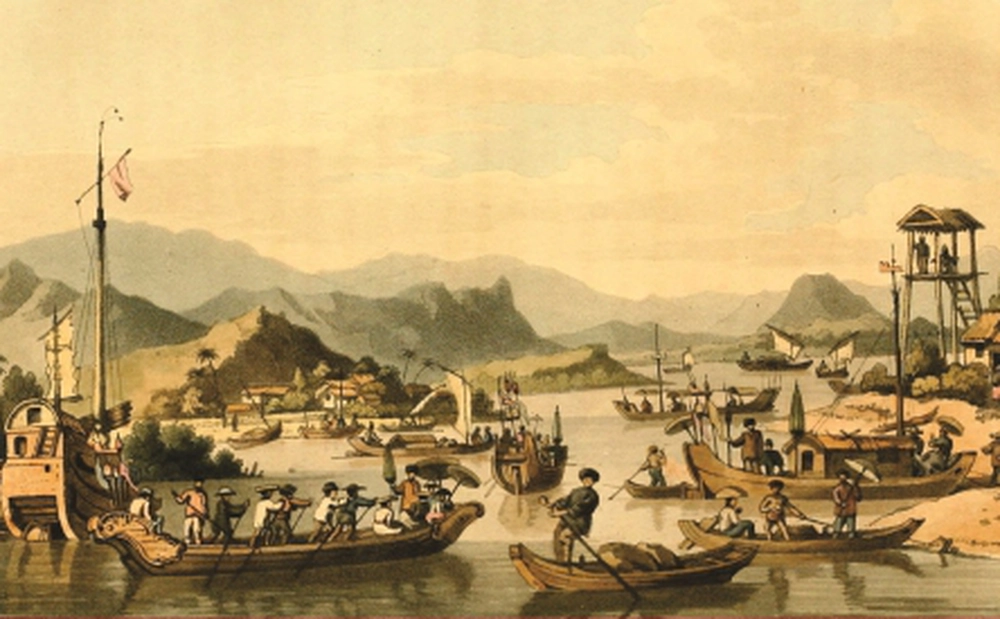
Over time, Hainan Assembly Hall also became a memorial site connected to a tragic historical event involving Hainanese merchants. In remembrance of those who lost their lives, the community built a temple within the complex to honor their spirits.
Today, Hainan Assembly Hall remains a place where visitors can learn about the resilience, traditions, and historical experiences of the Hainanese community in Hoi An.
One of the most impressive aspects of Hainan Assembly Hall is its architecture, which reflects traditional Chinese design blended with local influences from Hoi An. The layout of the complex, decorative elements, and sacred spaces reveal both cultural symbolism and the artistic craftsmanship of the community that built it.
When entering Hainan Assembly Hall, visitors first pass through a beautifully decorated entrance gate that leads to a peaceful courtyard. This architectural layout is typical of traditional Chinese assembly halls, where open spaces guide visitors toward the main worship hall.
The buildings surrounding the courtyard feature tiled roofs, curved eaves, and wooden beams that highlight the craftsmanship of the period. These elements create a harmonious atmosphere that reflects the spiritual and communal functions of the complex.
Inside Hainan Assembly Hall, decorative details reveal a rich layer of cultural symbolism. Carved wooden panels, ceramic ornaments, and colorful murals depict traditional motifs such as dragons, phoenixes, and mythical creatures representing prosperity and protection. Many of these artistic details were carefully created by skilled craftsmen, allowing the hall to preserve its original aesthetic charm even centuries after its construction.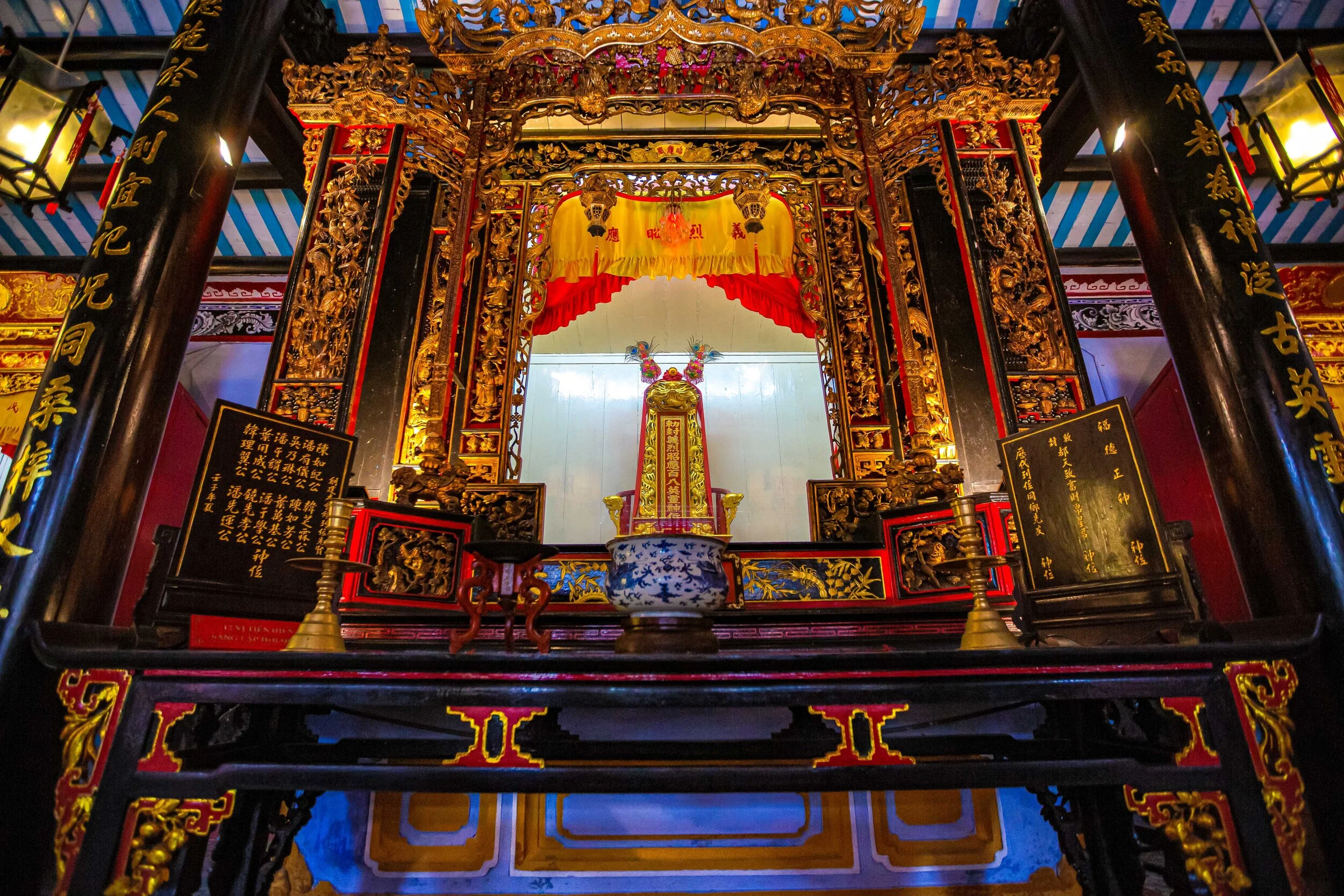
At the heart of Hainan Assembly Hall lies the main shrine area, where several altars are dedicated to historical figures and spiritual guardians of the Hainanese community. Incense offerings, lanterns, and ceremonial objects contribute to the sacred atmosphere of this space.
Visitors exploring the hall will discover that the altars reflect both religious devotion and remembrance of the community’s ancestors, creating an important cultural and spiritual center within the building.
The peaceful courtyard of Hainan Assembly Hall provides visitors with a moment to appreciate the harmony of architecture, nature, and tradition. Stone pathways, ornamental plants, and traditional lanterns create a calm setting that contrasts with the lively streets of the old town outside.
For many travelers, this area is also where they begin discovering the things to see in Hainan Assembly Hall, including statues, decorative carvings, and architectural details that tell stories about the history of the Hainanese community.
For travelers exploring the ancient town, visiting Hainan Assembly Hall is a meaningful way to experience the cultural layers that shaped Hoi An over centuries. Planning your visit at the right time and combining it with nearby attractions can make the experience even more rewarding.
Many travelers prefer visiting Hainan Assembly Hall in the early morning or late afternoon when the weather is cooler and the streets of the old town are less crowded. During these quieter hours, visitors can appreciate the peaceful courtyard, detailed architecture, and spiritual atmosphere of the hall more comfortably.
The dry season, which usually lasts from February to August, is also considered an ideal time to explore heritage sites in Hoi An. Clear skies and pleasant weather make it easier to walk through the historic streets and enjoy cultural landmarks throughout the town.
Many travelers prefer visiting Hainan Assembly Hall in the morning or late afternoon when the weather is cooler. In the evening, visitors can explore the lively atmosphere of the ancient town or watch the famous Hoi An Memories Show, a large outdoor performance that tells the story of the town’s trading history.
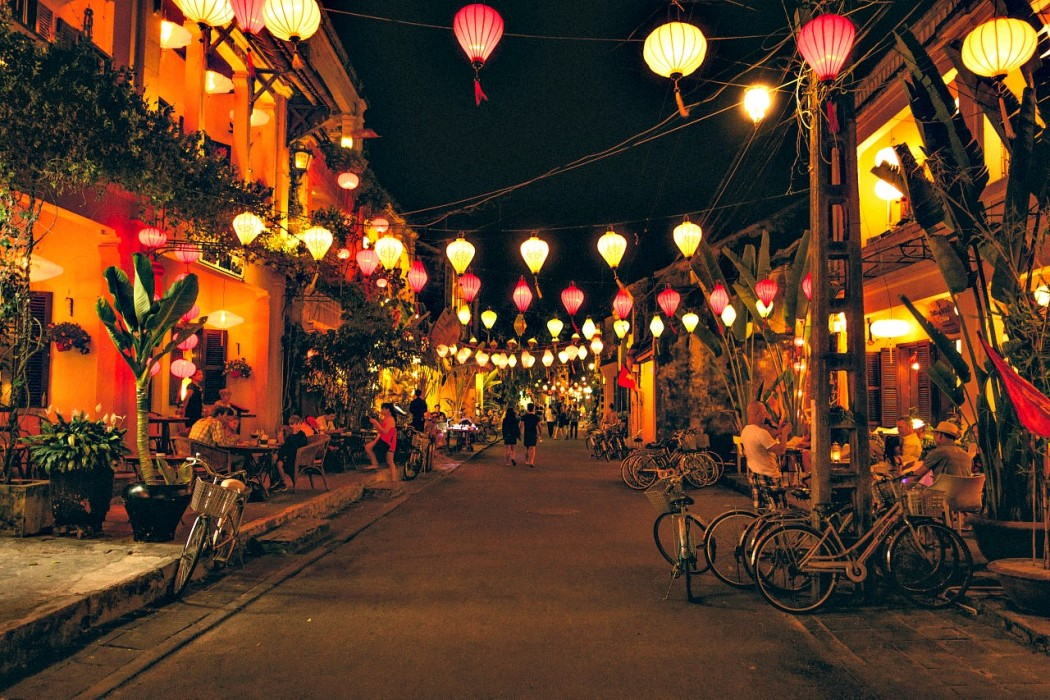
After exploring Hainan Assembly Hall, visitors can continue their journey through the ancient town and discover several other famous landmarks located nearby. Many travelers enjoy walking between temples, assembly halls, and historic merchant houses that reflect the diverse communities once living in this trading port.
These heritage sites together showcase the rich Chinese heritage in Hoi An, highlighting how immigrant communities contributed to the city’s cultural identity. Popular nearby attractions include Fujian Assembly Hall, Cantonese Assembly Hall, and the iconic Japanese Covered Bridge. One interesting stop is Phung Hung Old House, a well-preserved merchant residence that reflects the multicultural trading history of the town.
Visiting Hainan Assembly Hall offers travelers a deeper understanding of the cultural diversity that shaped Hoi An over centuries. From its historical background and meaningful memorial story to its elegant architecture and peaceful courtyard, the hall reflects the traditions and legacy of the Hainanese community who once lived and traded in this vibrant port town.
For travelers who want to fully experience the history and culture of Hoi An, exploring heritage landmarks like this can add valuable insight to the journey. If you are planning a trip to central Vietnam, Simply Vietnam Travel can help you discover the most fascinating cultural sites, historic streets, and local experiences across the ancient town. Start planning your Hoi An adventure today and let Simply Vietnam Travel guide you through the stories, traditions, and unforgettable beauty of this remarkable destination.
Contact us through the following channels for a free consultation:
1. What is the Hainan Assembly Hall in Hoi An?
It is a historic Chinese temple built by the Hainanese community and is now a cultural landmark in the ancient town.
2. Why is it worth visiting?
Visitors come to see its traditional Chinese architecture, peaceful courtyard, and unique memorial history.
3. How long does a visit usually take?
Most travelers spend about 20–30 minutes exploring the hall and its main highlights.