291/2 Le Van Hien, Da Nang, Vietnam
hi@simplyvietnamtravel.com
+84 793 553 385
Mon – Sun 8.00 – 18.00

 travel
April 2, 2026
travel
April 2, 2026
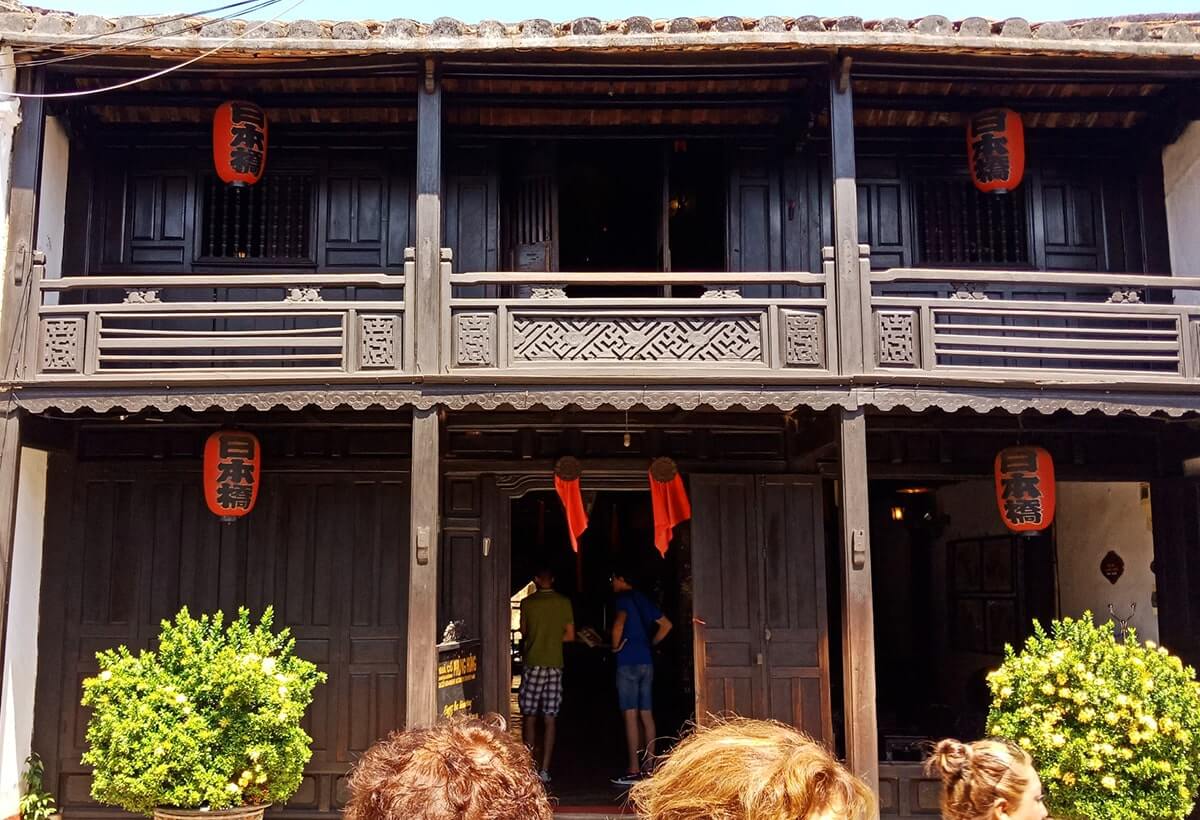
Hoi An Ancient Town is famous for its lantern-lit streets, ancient temples, and centuries-old merchant houses that reflect the city’s vibrant trading past. Among these historical landmarks, Phung Hung Old House stands out as one of the most well-preserved homes in the old town, offering visitors a glimpse into the life of prosperous trading families from centuries ago. Travelers exploring the heritage of Hoi An with Simply Vietnam Travel often include this remarkable house as a must-see stop on their cultural journey through the ancient streets.
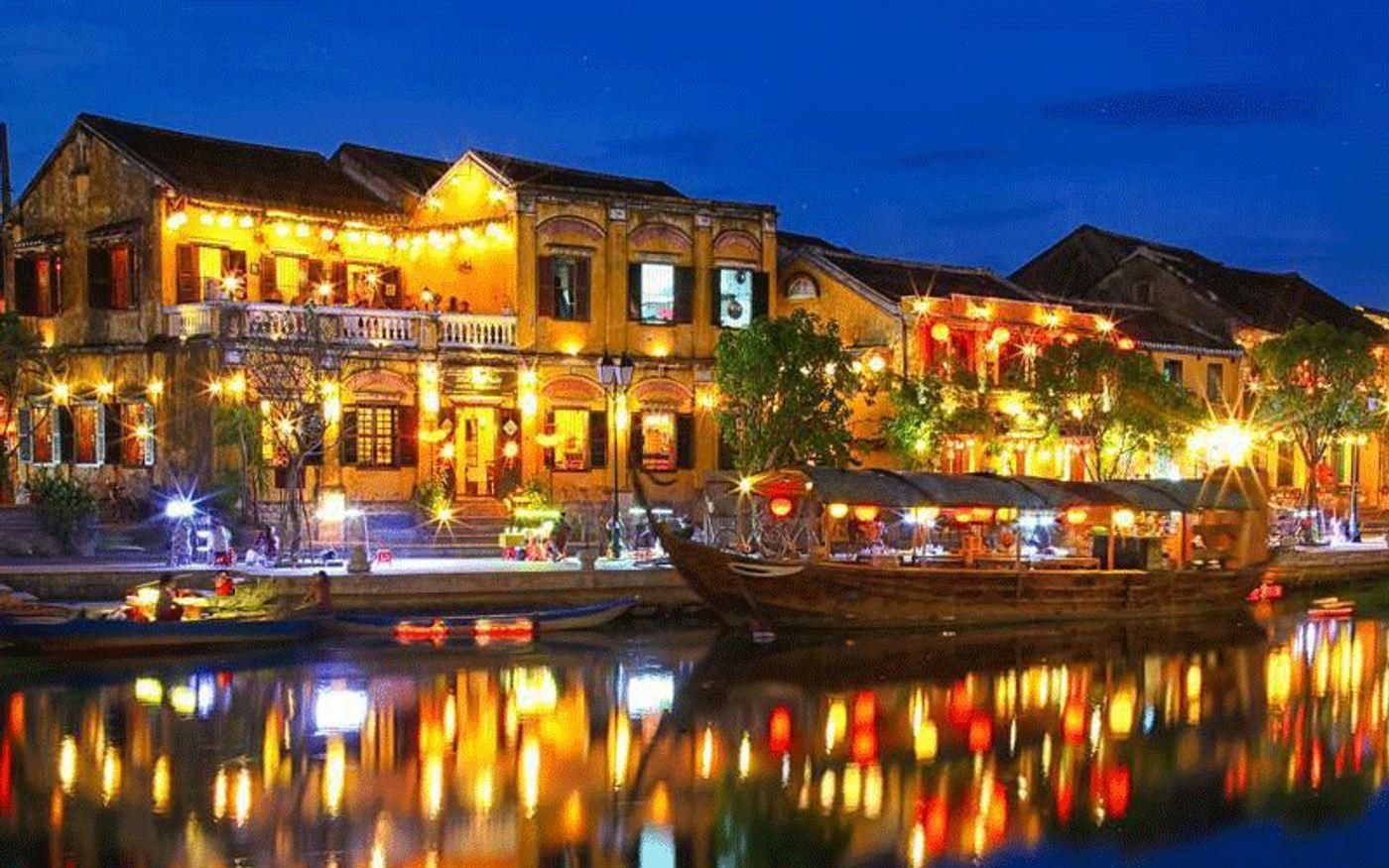
Before exploring its architecture and interior spaces, understanding the history of Phung Hung Old House helps visitors appreciate why this building remains one of the most meaningful cultural landmarks in Hoi An. The house reflects centuries of trading history, family heritage, and the prosperity that once defined the ancient port town.
Built in the late 18th century, Phung Hung Old House was constructed during a time when Hoi An thrived as one of the most active trading ports in Southeast Asia. Merchants from China, Japan, and many other regions traveled here to exchange goods such as silk, ceramics, tea, and spices. The house was designed not only as a comfortable residence but also as a space where commercial activities could take place. Today, the building is widely recognized as a well-preserved historic house in Hoi An, offering visitors a glimpse into the prosperous era when international trade shaped the culture and economy of the town.
For generations, Phung Hung Old House was owned by a successful merchant family whose business connections extended beyond the borders of Vietnam. Their trading activities linked local products with foreign markets, bringing prosperity to both the family and the surrounding community.
Because the house served both as a home and a place of business, its layout reflects the lifestyle of wealthy traders of that era. This historical residence is often considered a classic example of a traditional Hoi An merchant house, illustrating how commerce and family life were closely connected in the ancient trading town.
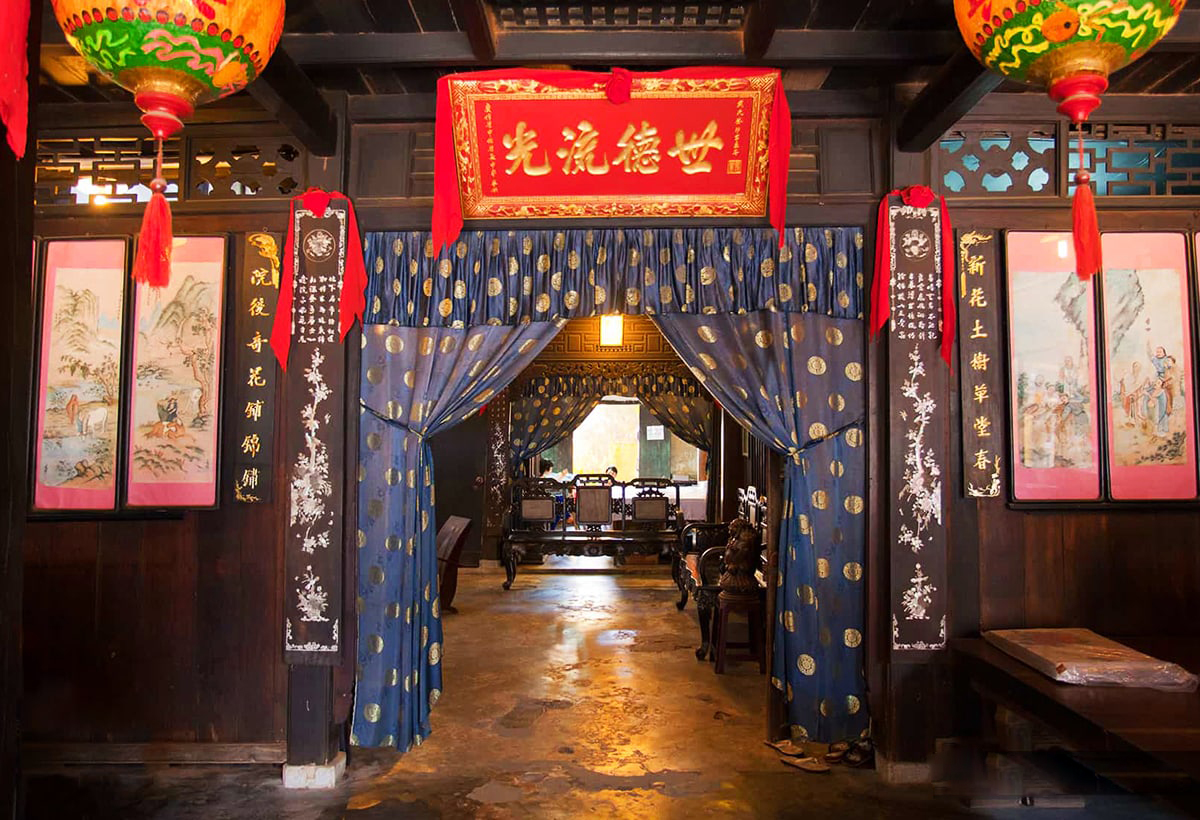
One of the reasons Phung Hung Old House continues to attract visitors is its remarkable architecture, which reflects centuries of cultural exchange in the ancient trading port. The house demonstrates how different cultures influenced local building styles, creating a unique architectural identity that can still be admired today.
At first glance, Phung Hung Old House immediately reveals a fascinating blend of cultural influences. The structure combines elements of Vietnamese, Chinese, and Japanese architecture, reflecting the multicultural environment that once defined the trading port of Hoi An.
The wooden beams, roof structure, and decorative carvings reveal strong Chinese influences, while certain structural features show similarities with Japanese merchant houses built during the same historical period. This harmonious combination is one of the reasons the building is often listed among the most interesting traditional houses in Hoi An.
The design of Phung Hung Old House follows the traditional tube-house layout commonly seen in the ancient town. The front section once functioned as a shop where goods were displayed and sold, while the middle and rear sections were reserved for family living spaces.
Constructed mainly from valuable hardwood, the house features a strong wooden frame supported by dozens of intricately carved columns and beams. These structural elements were carefully designed to withstand the region’s humid climate and seasonal flooding, allowing the house to remain stable and well preserved for centuries.
Inside Phung Hung Old House, visitors can find numerous decorative details that carry symbolic meanings rooted in traditional beliefs. Carved wooden panels, ornamental lanterns, and ancestral altars create an atmosphere that reflects both spiritual values and family traditions.
Many of these decorations were designed to represent prosperity, harmony, and protection for the household. As a result, the building is not only an architectural landmark but also one of the most memorable things to see in Hoi An Ancient Town, especially for travelers interested in history and cultural heritage.
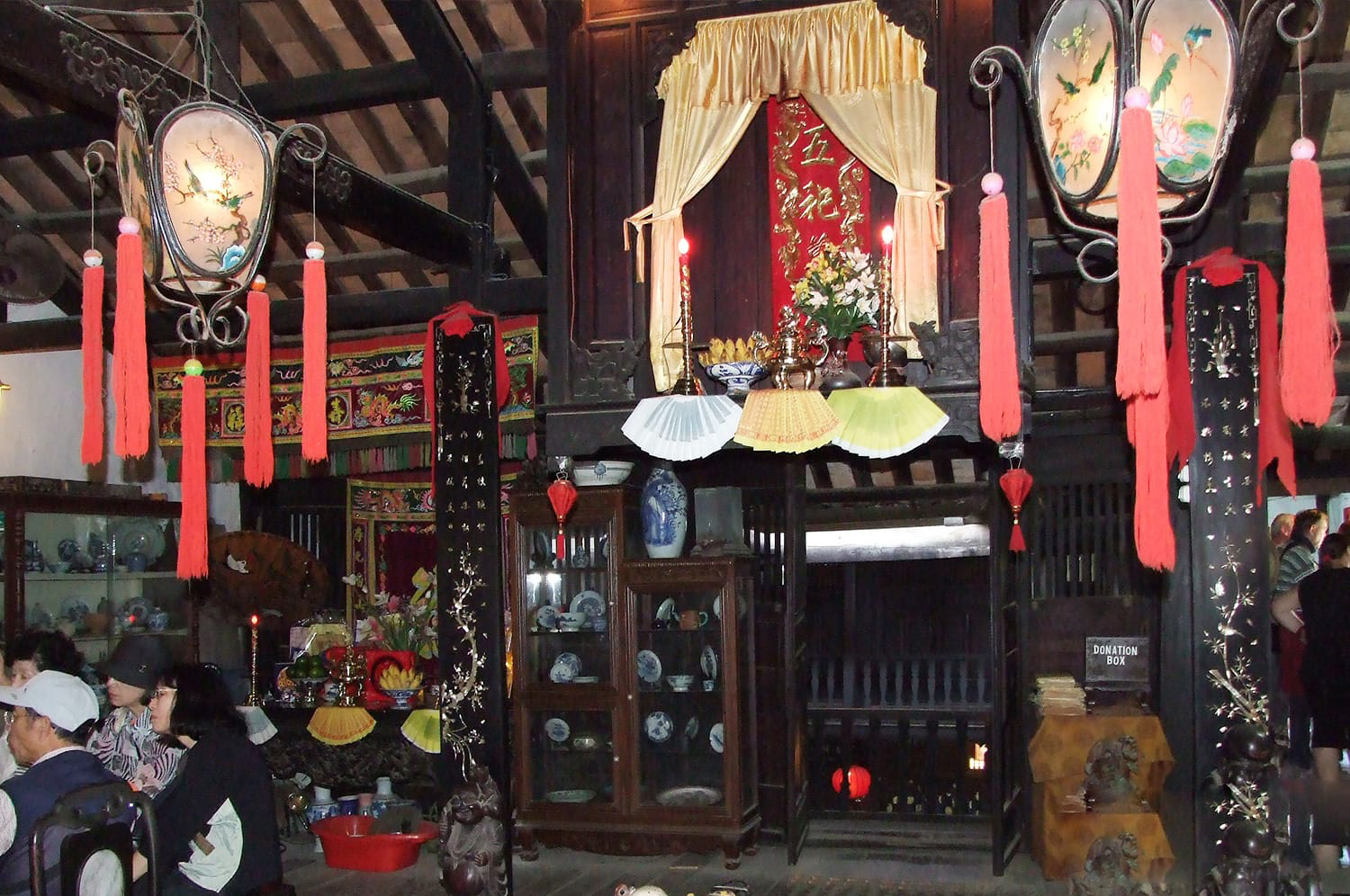
Stepping inside Phung Hung Old House allows visitors to travel back in time and experience the atmosphere of a traditional merchant residence. Unlike modern museums, the house still preserves many original objects and design features that reflect the daily life of a prosperous trading family in the past. For travelers planning their itinerary, this historic landmark is often included among the most interesting attractions in the old town. If you are looking for more ideas, you can explore this guide to things to do in Hoi An to discover other cultural sites, local experiences, and activities around the ancient town.
As visitors walk through Phung Hung Old House, they will notice a remarkable collection of antiques and historical objects carefully preserved by the family. Wooden furniture, ceramic vases, old photographs, and ancestral altars provide a vivid picture of the lifestyle that once existed within the ancient trading community.
Many of these items have been passed down through generations, creating a living archive of family traditions and local culture. Because of its long history and authentic interior, Phung Hung Old House Hoi An is considered one of the most fascinating heritage sites for travelers who want to better understand the cultural identity of the old town.
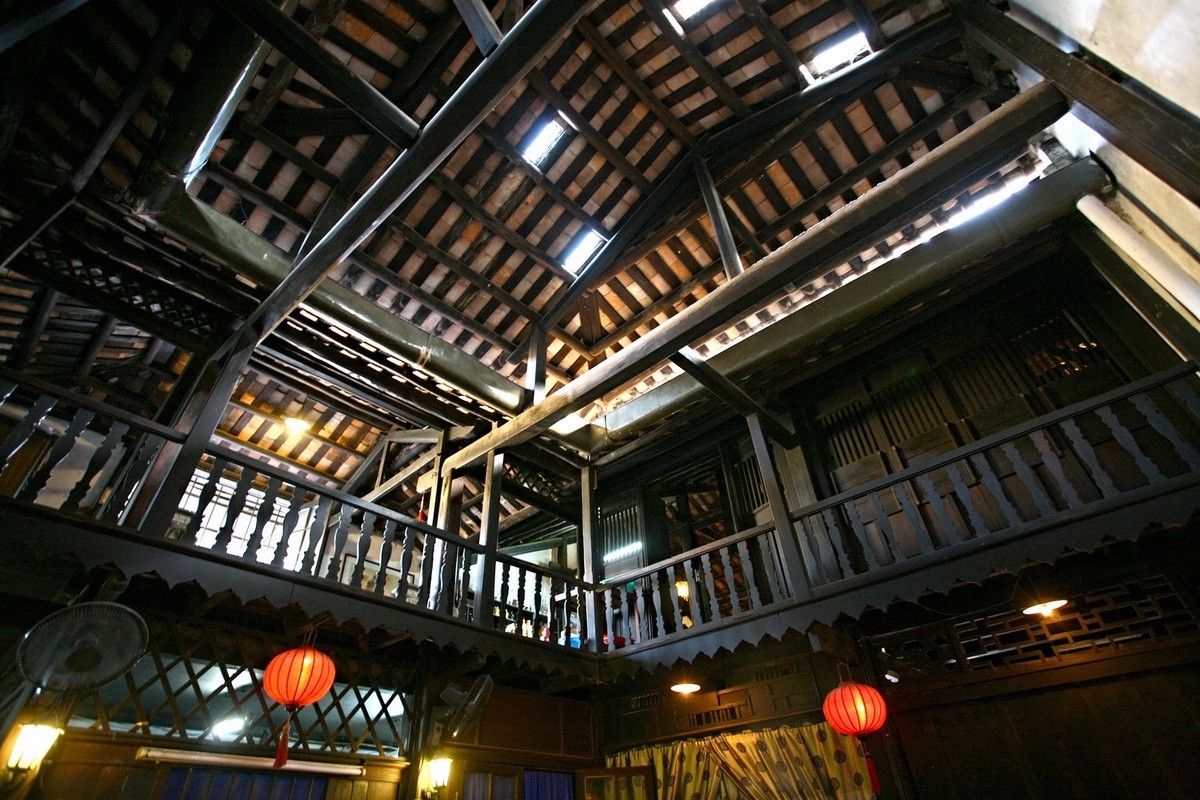
One of the most interesting features of Phung Hung Old House is the clever architectural solution designed to deal with seasonal flooding, which has long affected the region. The upper floor of the house was built as a safe storage area where valuable goods and important belongings could be moved during periods of high water.
Today, visitors climbing to the second floor of Phung Hung Old House can observe how the structure was designed to adapt to the natural environment while still maintaining comfort for daily life. This thoughtful design not only protected the family’s property but also demonstrates the practical knowledge and resilience of the people who lived in the historic trading town.
For travelers exploring the historic streets of Hoi An, visiting Phung Hung Old House offers a deeper understanding of the town’s cultural heritage and merchant history. Located in the heart of the ancient town, the house is easy to include in a walking itinerary that covers many of the area’s most famous landmarks.
Situated along Nguyen Thi Minh Khai Street, Phung Hung Old House stands just a short walk from the iconic Japanese Bridge, making it one of the most convenient heritage sites to visit in the old town. Because the surrounding streets are pedestrian-friendly, most visitors explore the area on foot while discovering nearby temples, assembly halls, and traditional houses.
The central location also makes it easy for travelers to combine a visit to the house with other cultural attractions throughout Hoi An Ancient Town.
Visitors who want to explore Phung Hung Old House can usually enter the site during the standard visiting hours of Hoi An’s heritage attractions, typically from morning until late afternoon. Like many historical buildings in the old town, the house is included in the official Hoi An Old Town entrance ticket system. This ticket allows visitors to enter several heritage sites across the town, making it convenient to explore multiple historic buildings while learning about the unique culture and architecture of Hoi An.
When planning a visit to Phung Hung Old House, it is best to arrive earlier in the day when the streets of the old town are less crowded. This allows visitors to take photos, observe architectural details, and learn about the history of the house in a more relaxed atmosphere.
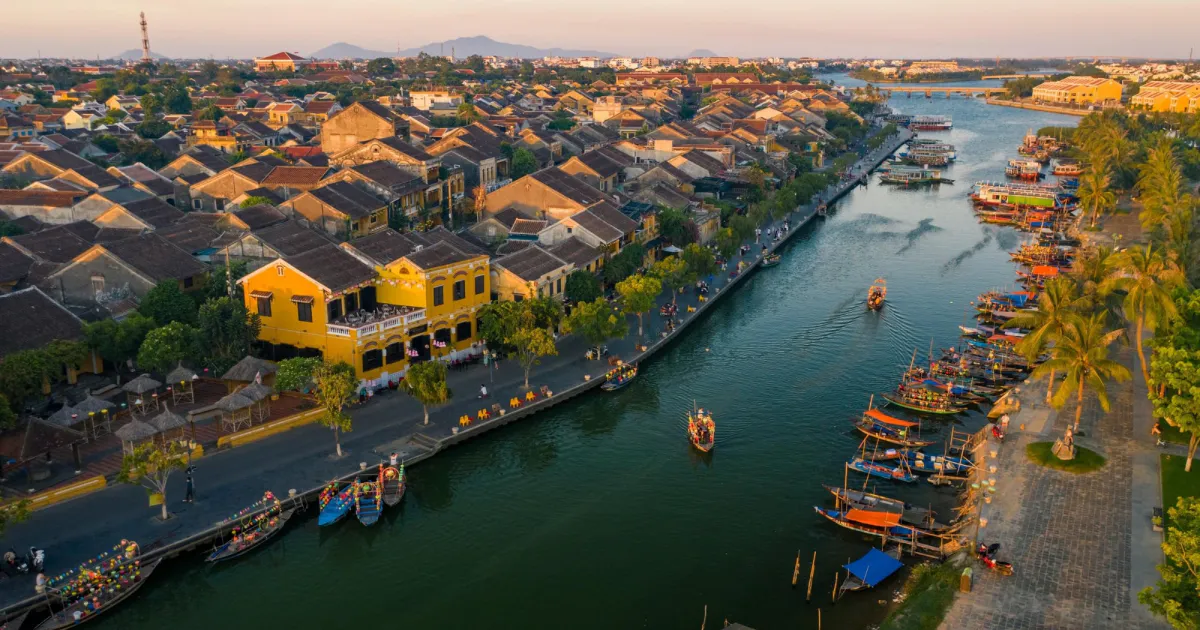
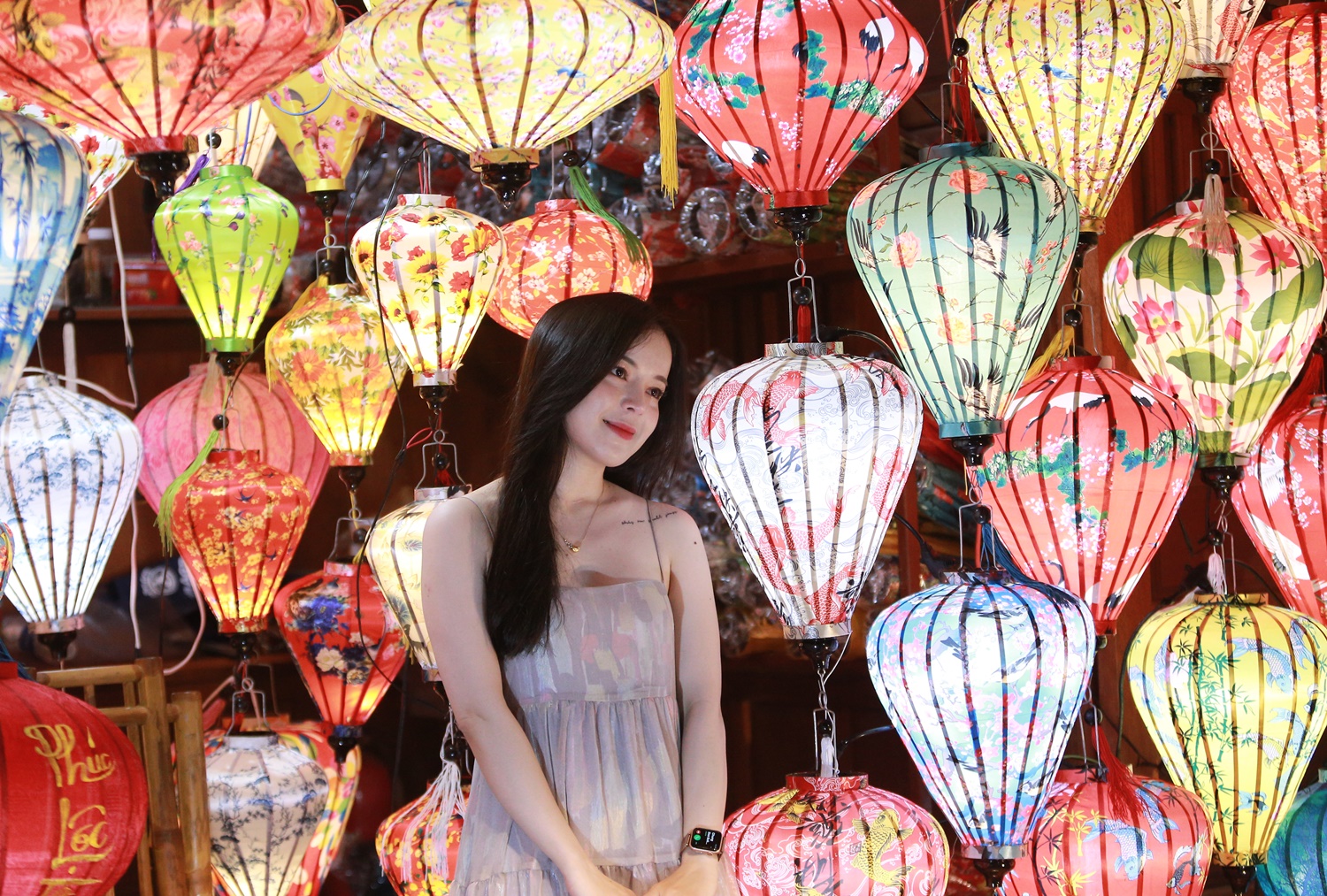
Many travelers also choose to explore the surrounding area afterward, enjoying the lantern-lined streets, riverside cafés, and local markets that make Hoi An one of the most charming destinations in Vietnam. After sunset, the ancient town becomes even more magical with colorful lanterns, night markets, and lively riverside activities. If you are planning to explore the city in the evening, you can read this guide to Hoi An nightlife to discover the best places to visit at night in the old town.
As one of the most well-preserved historical buildings in the ancient town, Phung Hung Old House offers a fascinating glimpse into the trading heritage, architecture, and family traditions that shaped Hoi An centuries ago. From its multicultural design to its carefully preserved antiques, the house remains an important cultural landmark that helps visitors understand the town’s unique past.
If you are planning a journey to explore the history and beauty of Hoi An, be sure to include this remarkable heritage site in your itinerary. For a deeper cultural experience and expertly planned travel routes, visitors can discover more unforgettable destinations in Vietnam with Simply Vietnam Travel.
Contact us through the following channels for a free consultation:
1. Where is Phung Hung Old House located?
Phung Hung Old House is located on Nguyen Thi Minh Khai Street in Hoi An Ancient Town, just a short walk from the famous Japanese Bridge.
2. Do visitors need a ticket to enter Phung Hung Old House?
Yes, visitors can enter the house using the official Hoi An Old Town entrance ticket, which also allows access to several other heritage sites.
3. Why is Phung Hung Old House famous?
The house is known for its well-preserved architecture and its blend of Vietnamese, Chinese, and Japanese cultural influences.