291/2 Le Van Hien, Da Nang, Vietnam
hi@simplyvietnamtravel.com
+84 793 553 385
Mon – Sun 8.00 – 18.00

 travel
April 6, 2026
travel
April 6, 2026
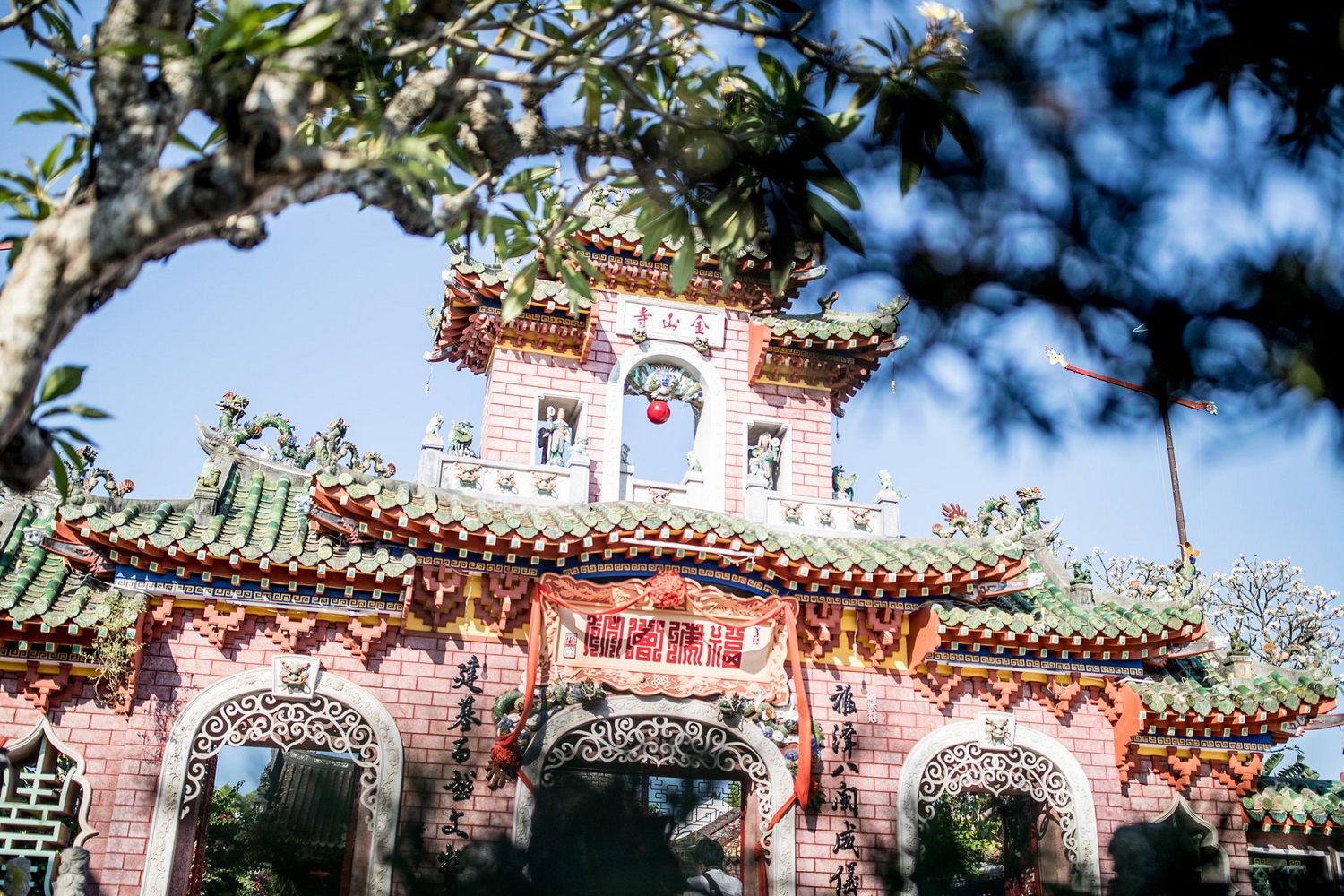
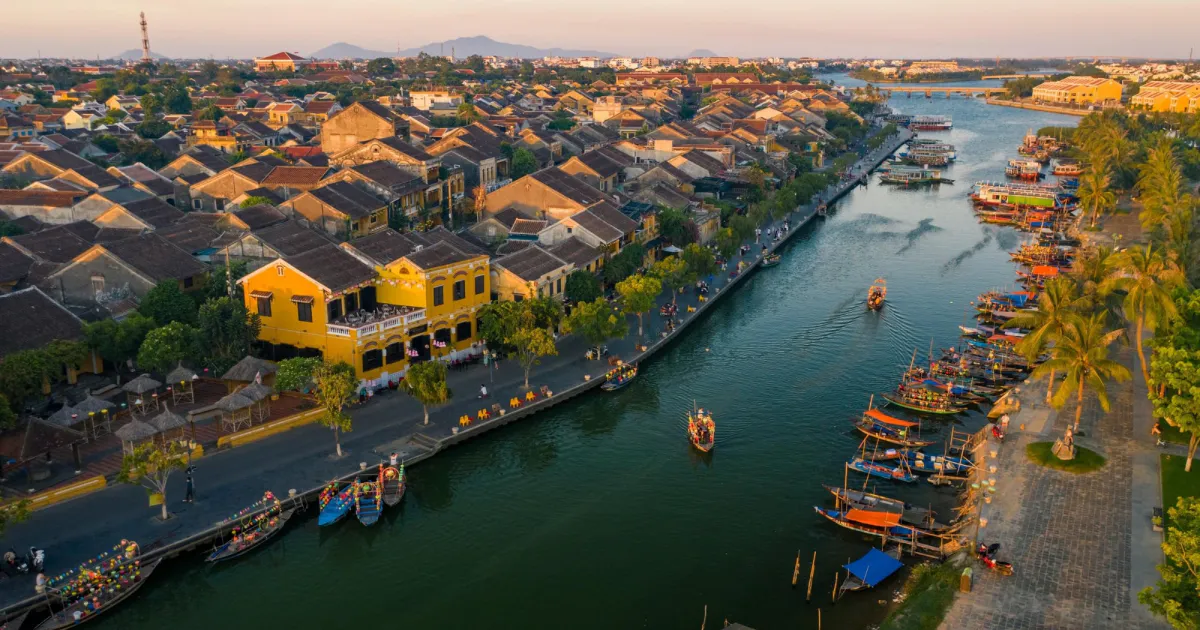
Hoi An Ancient Town is one of Vietnam’s most fascinating heritage destinations, known for its lantern-lit streets, centuries-old architecture, and vibrant cultural traditions. Among the many historical landmarks preserved in this UNESCO World Heritage site, Fujian Assembly Hall stands out as one of the most remarkable places to visit. Built by Chinese merchants from Fujian province, this temple reflects the spiritual life, artistic craftsmanship, and trading history that shaped the port town centuries ago. Visitors exploring Hoi An today can admire its ornate gates, colorful courtyards, and sacred altars that remain active with local worship. For travelers who want to experience the cultural highlights of the ancient town in a meaningful way, Simply Vietnam Travel offers curated tours that reveal the stories behind these historic sites.
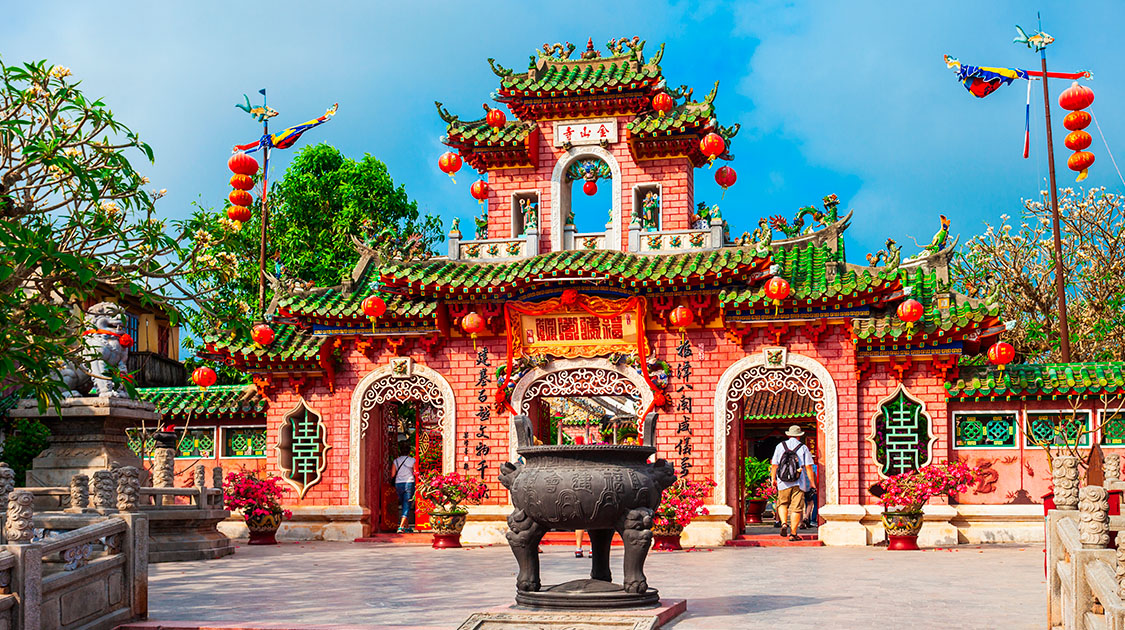
Located in the heart of Hoi An Ancient Town, Fujian Assembly Hall is one of the most recognizable cultural landmarks in the city. Built by Chinese immigrants who settled in the region centuries ago, the hall originally served as a gathering place for merchants from Fujian province. Over time, it developed into an important religious and community center. Today, the complex remains a fascinating destination for visitors who want to explore the multicultural heritage that shaped Hoi An’s historic trading port.
Fujian Assembly Hall stands on Tran Phu Street, one of the most historic and lively streets in Hoi An Ancient Town. Travelers exploring this UNESCO heritage area can follow a detailed Hoi An Ancient Town travel guide to better understand the city’s history, attractions, and cultural landmarks.
The building is also commonly referred to as Fujian Assembly Hall Hoi An, highlighting its connection to the Chinese Fujian community that once played a key role in the city’s maritime trade. Its convenient location makes it a popular stop during heritage walks around the ancient town.
One reason Fujian Assembly Hall attracts so many visitors is its striking architecture. The colorful entrance gate, curved roofs, and detailed sculptures create a dramatic first impression. Inside the courtyard, visitors can see traditional statues, ornate altars, and decorative ceramic artworks that represent Chinese artistic traditions.
Beyond its visual beauty, Fujian Assembly Hall also holds deep spiritual significance. For generations, members of the local Chinese community came here to pray for safety, prosperity, and successful trading voyages. This blend of history, culture, and religious traditions makes the site one of the most fascinating landmarks to visit while exploring Hoi An.
The cultural story behind Fujian Assembly Hall reflects the long history of trade and migration that shaped Hoi An centuries ago. During the 16th and 17th centuries, the town became one of Southeast Asia’s most important international trading ports, welcoming merchants from China, Japan, and many other regions. Among these communities, traders from the Fujian province played a particularly important role in commerce and cultural exchange. Their traditions, beliefs, and architecture gradually became part of the cultural identity that still defines Hoi An today.
The early roots of Fujian Assembly Hall are closely connected to Chinese merchants who traveled across the sea in search of new trading opportunities. Many traders from Fujian arrived in Hoi An during the flourishing years of maritime commerce and eventually settled in the town. To maintain their cultural identity and support each other in business and daily life, these immigrants formed community organizations and built assembly halls where they could gather, worship, and celebrate traditional festivals.
Over time, these community spaces became an essential part of the social life of overseas Chinese residents. Today, visitors who explore the history of Fujian Assembly Hall can better understand how the Chinese diaspora contributed to the development of Hoi An as a multicultural port city.
The construction of Fujian Assembly Hall was originally intended to create a spiritual and communal center for Fujian merchants living in the area. Historical records indicate that the hall was first established in the late 17th century and gradually expanded as the community grew stronger and more prosperous. Decorative gates, temples, courtyards, and altars were added over time, forming the impressive architectural complex that visitors can see today.
As the centuries passed, Fujian Assembly Hall evolved beyond a simple meeting place and became an important religious site dedicated to the sea goddess Thien Hau, who was believed to protect sailors and merchants on long journeys. This transformation reflects the deep spiritual traditions of the Fujian community and highlights the lasting cultural heritage preserved within Hoi An Ancient Town.
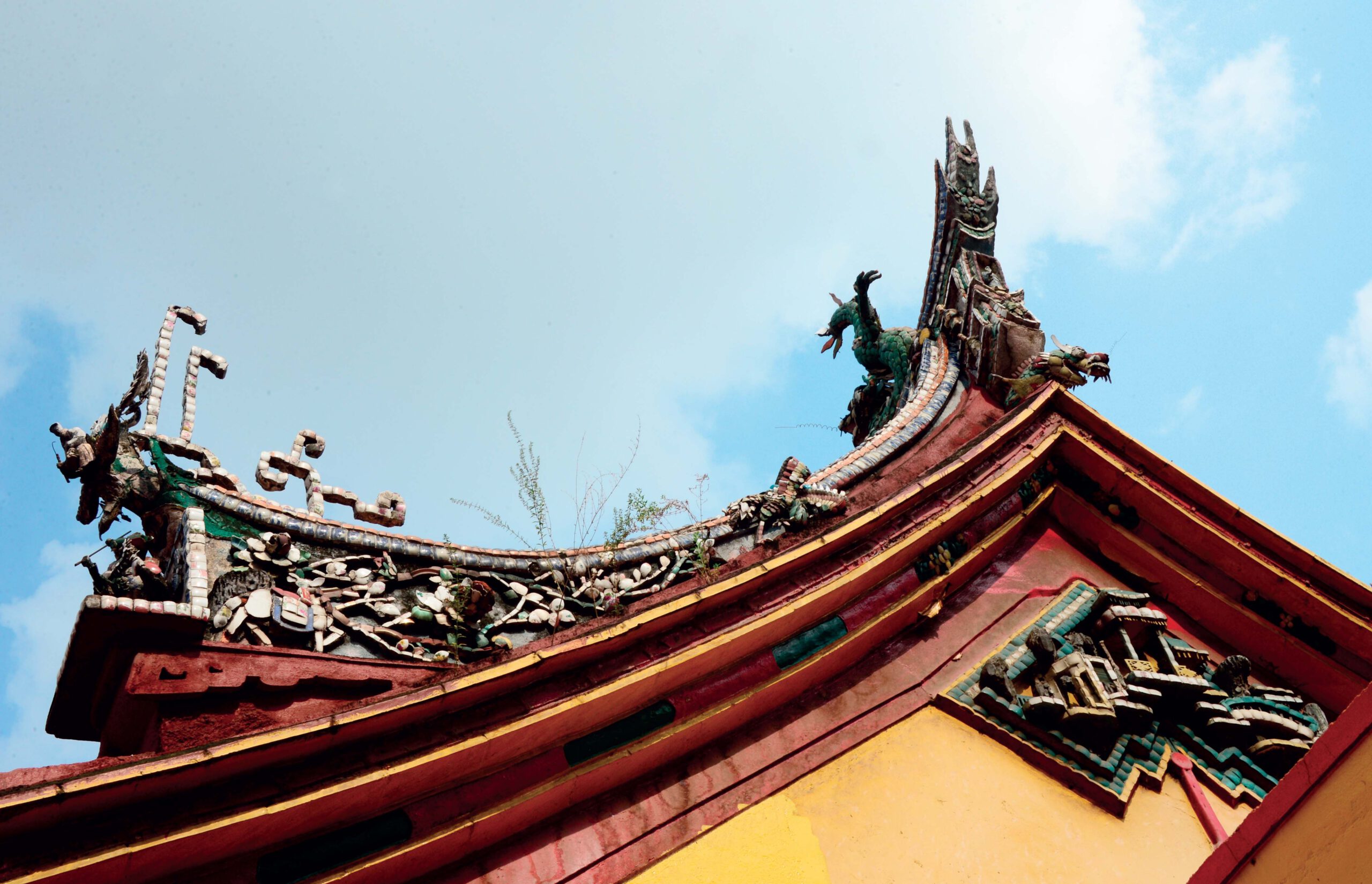
The architectural beauty of Fujian Assembly Hall is one of the main reasons why this historic site attracts so many travelers visiting Hoi An Ancient Town. The complex combines traditional Chinese design with symbolic decorations that reflect the beliefs and artistic traditions of the Fujian community. From the colorful entrance gate to the peaceful inner courtyards, every part of the structure reveals layers of cultural meaning and craftsmanship that have been preserved for centuries.
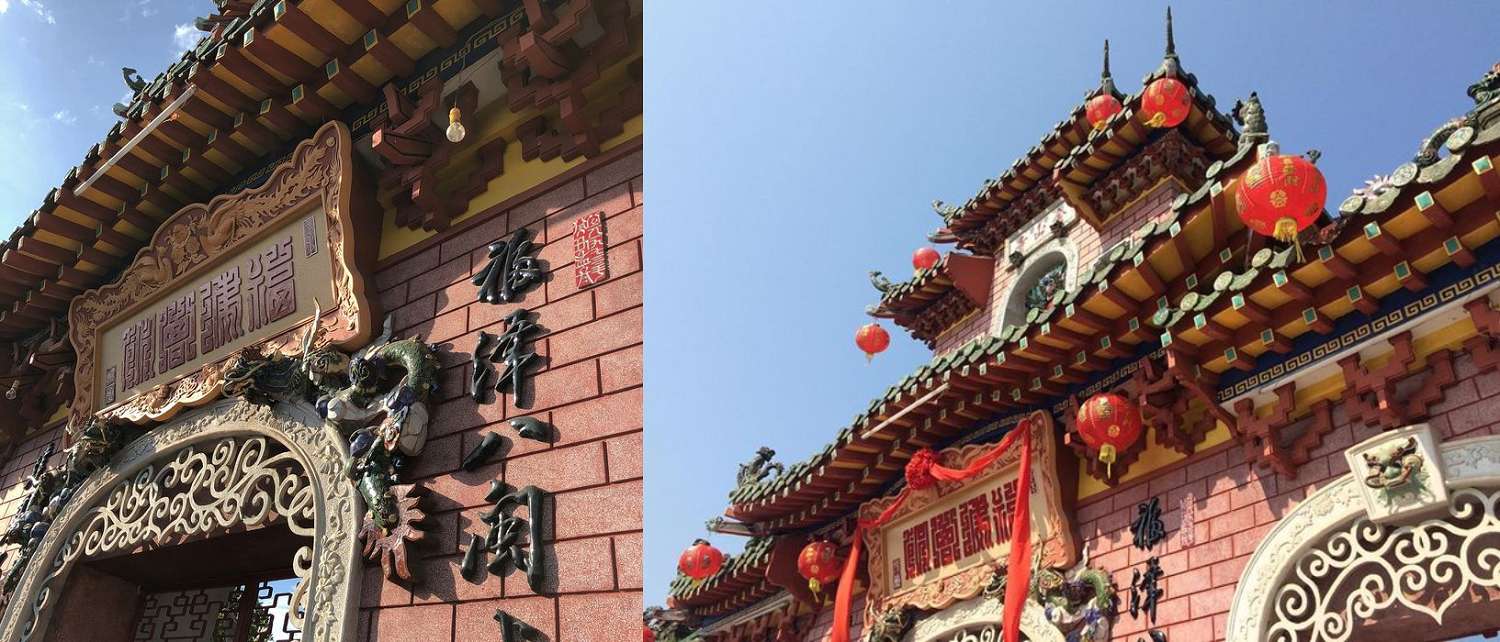
The entrance of Fujian Assembly Hall immediately captures attention with its vibrant colors and elaborate roof decorations. The gate is adorned with curved tiles, dragon sculptures, and detailed carvings that represent prosperity and protection in Chinese culture. Passing through the entrance, visitors arrive at a spacious courtyard filled with statues, incense burners, and ornamental plants that create a calm and spiritual atmosphere.
At the center of Fujian Assembly Hall stands the main temple, where visitors can observe beautifully decorated altars dedicated to important deities worshiped by the Fujian community. The most significant shrine honors Thien Hau, the sea goddess believed to protect sailors and merchants during long journeys across the ocean.
Inside the sanctuary, the rich red and gold decorations create a sacred atmosphere that reflects centuries of devotion. Many travelers visiting Phuc Kien Assembly Hall pause here to light incense and quietly observe local worship practices, gaining a deeper understanding of the spiritual traditions that continue to thrive in Hoi An.
One of the most fascinating aspects of Fujian Assembly Hall is the intricate decorative artwork found throughout the complex. Ceramic mosaics, carved wooden panels, and colorful roof ornaments depict mythological scenes, animals, and symbolic patterns that hold cultural meaning in Chinese tradition.
These artistic elements are not only visually impressive but also represent wishes for prosperity, harmony, and protection. Visitors who take time to look closely at the walls and rooftops of Fujian Assembly Hall will notice countless small details that highlight the craftsmanship of the artisans who built and decorated the structure.
Beyond its architectural beauty, Fujian Assembly Hall continues to function as an active place of worship for the local community. Incense smoke, offerings, and traditional rituals are still part of daily life inside the temple, creating a spiritual atmosphere that connects the present with the past.
For many visitors, witnessing these cultural practices provides a meaningful experience that goes beyond sightseeing. Observing how Fujian Assembly Hall remains a living religious site helps travelers better appreciate the deep cultural heritage preserved within the historic streets of Hoi An.
A visit to Fujian Assembly Hall is an essential part of exploring Hoi An Ancient Town. The historic complex offers visitors a chance to admire traditional architecture, observe local religious customs, and learn about the multicultural heritage that shaped this former trading port. Because of its cultural importance and central location, the hall is often included in most walking itineraries around the old town.
Travelers who want to explore Fujian Assembly Hall can usually visit the site during the daytime as part of the Hoi An Ancient Town ticket system. Instead of paying an individual entrance fee for each monument, visitors typically purchase a heritage ticket that grants access to several historical attractions in the area.
Among the many historic sites included in the ticket, Fujian Assembly Hall stands out as one of the most popular stops. Many visitors consider it a must-see Chinese temple in Hoi An, thanks to its rich cultural history and impressive architectural details.
When visiting Fujian Assembly Hall, it is recommended to arrive earlier in the day when the complex is less crowded and the lighting is perfect for photography. The colorful gate, peaceful courtyard, and ornate decorations create beautiful scenes that attract both travelers and photographers.
Visitors should also dress respectfully, as the temple remains an active place of worship. Taking time to quietly explore the courtyards and prayer halls allows travelers to fully appreciate the cultural atmosphere and discover the many things to see at Fujian Assembly Hall, from intricate ceramic artworks to traditional statues and altars.
In the evening, consider attending the famous Hoi An Memories Show, one of the most impressive cultural performances in Vietnam.
Because Fujian Assembly Hall is located in the heart of the old town, travelers can easily combine their visit with other famous landmarks nearby. Many heritage buildings and cultural attractions are just a short walk away, making it convenient to explore several historical sites in a single day.
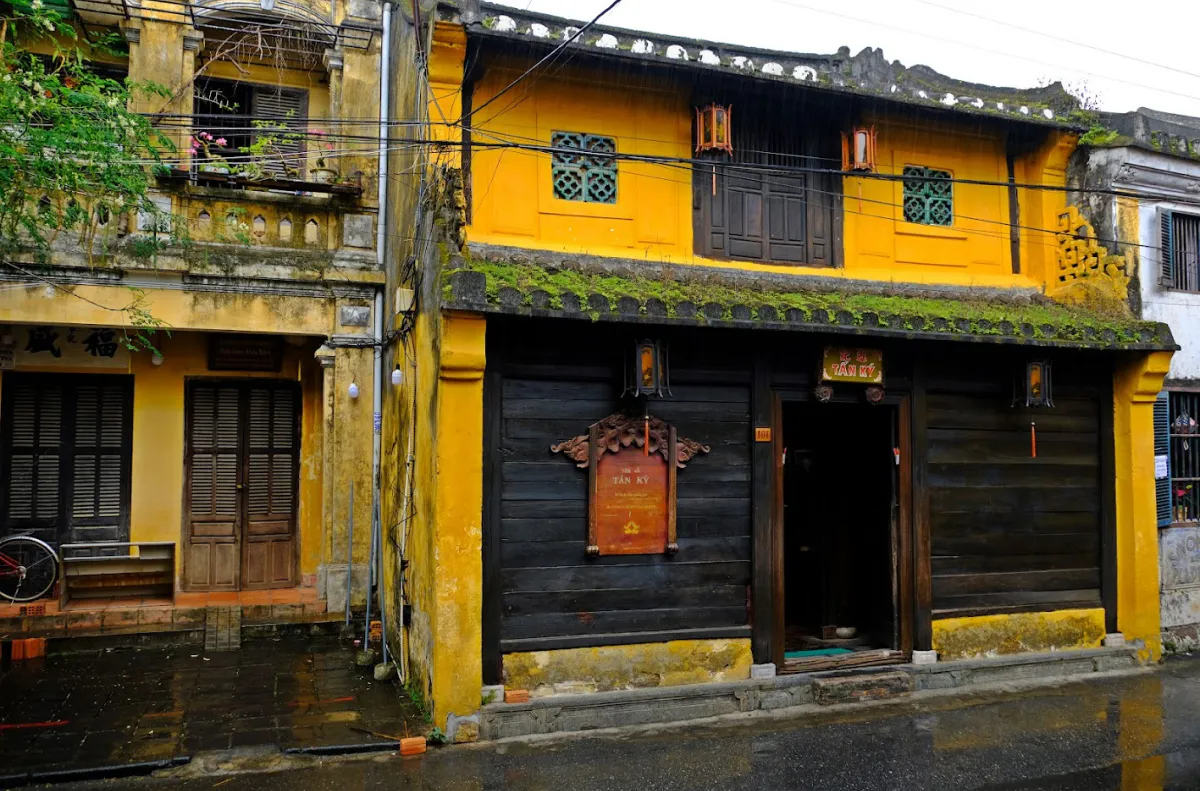
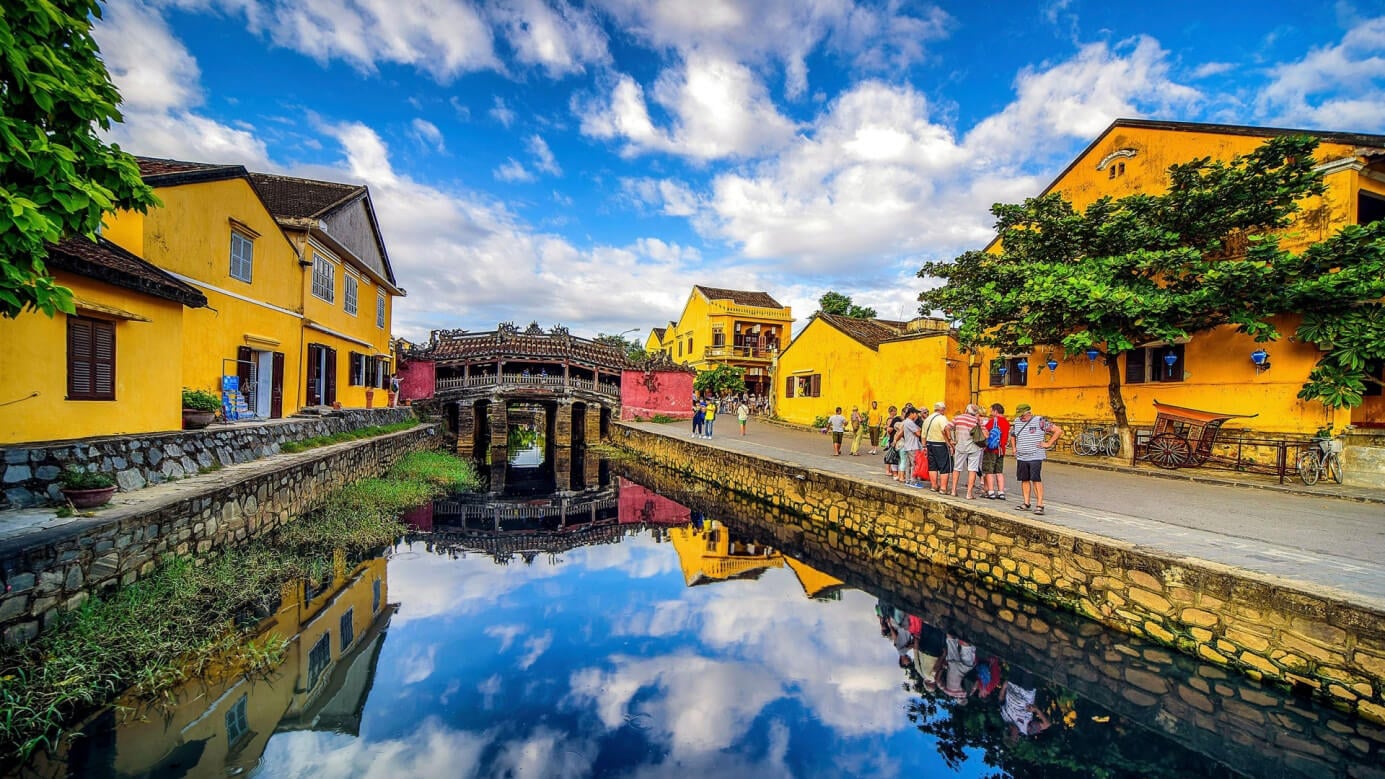
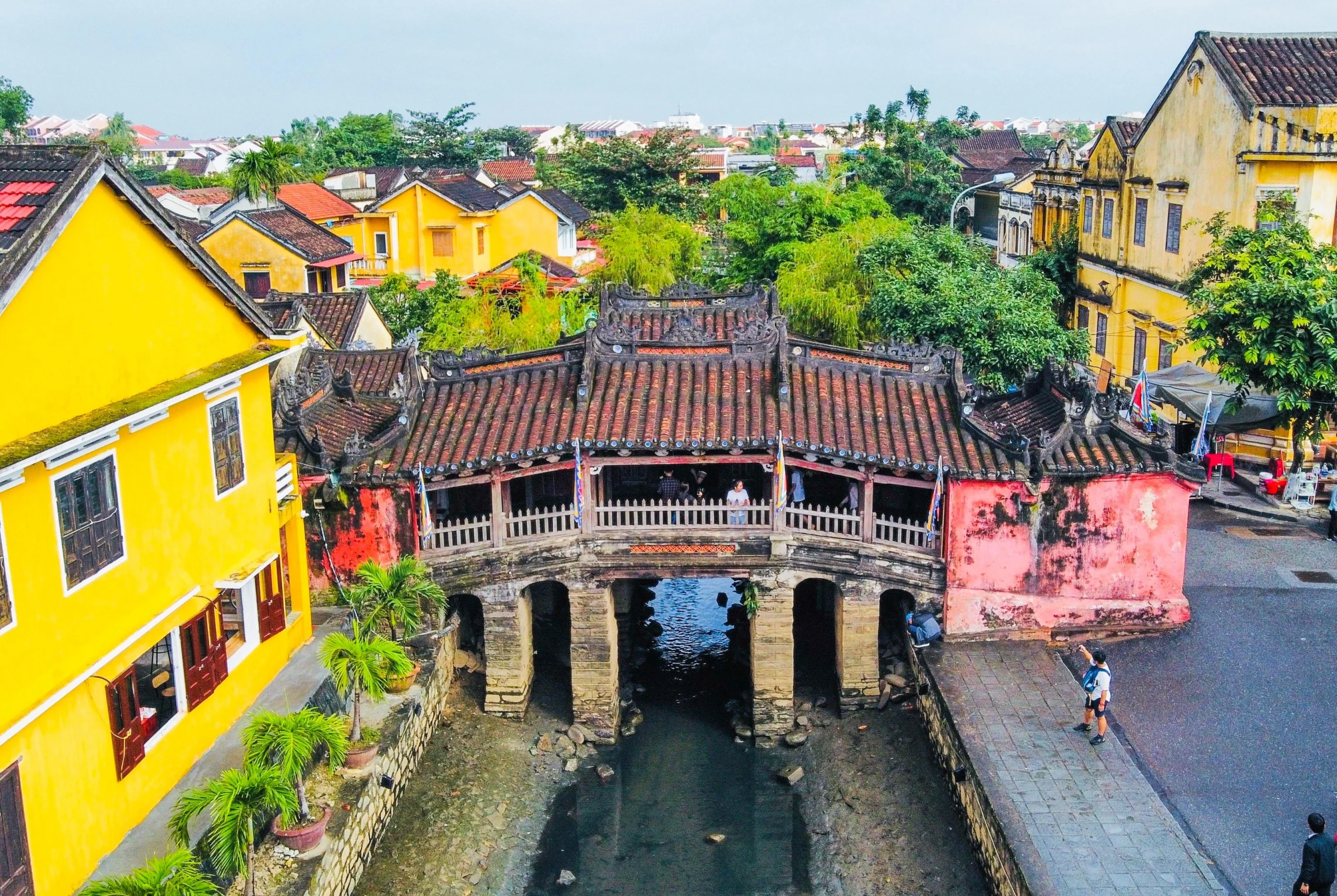
After visiting Fujian Assembly Hall, travelers often continue their journey to iconic destinations such as the Japanese Covered Bridge, Tan Ky Old House, Hoi An Market, or the lantern-filled streets that become especially beautiful in the evening. If you plan to stay longer in the city, you can also explore the vibrant Hoi An nightlife with its lantern-lit streets, riverside cafés, night markets, and cultural performances.
Visiting Fujian Assembly Hall offers travelers a unique opportunity to discover the cultural diversity and historical depth of Hoi An Ancient Town. From its vibrant architecture and sacred altars to its centuries-old traditions, the site reflects the strong influence of the Fujian community in shaping the town’s heritage. Exploring this landmark allows visitors to better understand the spiritual and cultural life that still thrives in the ancient streets today.
If you are planning a trip to Hoi An and want to experience its most fascinating historical sites, consider exploring the destination with Simply Vietnam Travel. Their carefully designed tours help travelers uncover the stories, architecture, and cultural treasures that make Hoi An truly unforgettable.
Contact us through the following channels for a free consultation:
1. What is the historical significance of the assembly hall in Hoi An?
It was built by Chinese merchants from Fujian province and served as a community gathering place, temple, and cultural center for overseas traders.
2. When is the best time to visit the temple in Hoi An Ancient Town?
Early morning or late afternoon is ideal, as the weather is cooler and the lighting is perfect for sightseeing and photography.
3. Do visitors need a ticket to enter historical sites in Hoi An?
Yes. Travelers usually purchase a Hoi An Ancient Town heritage ticket, which allows entry to several historic buildings and cultural landmarks in the area.