291/2 Le Van Hien, Da Nang, Vietnam
hi@simplyvietnamtravel.com
+84 793 553 385
Mon – Sun 8.00 – 18.00

 travel
January 21, 2026
travel
January 21, 2026
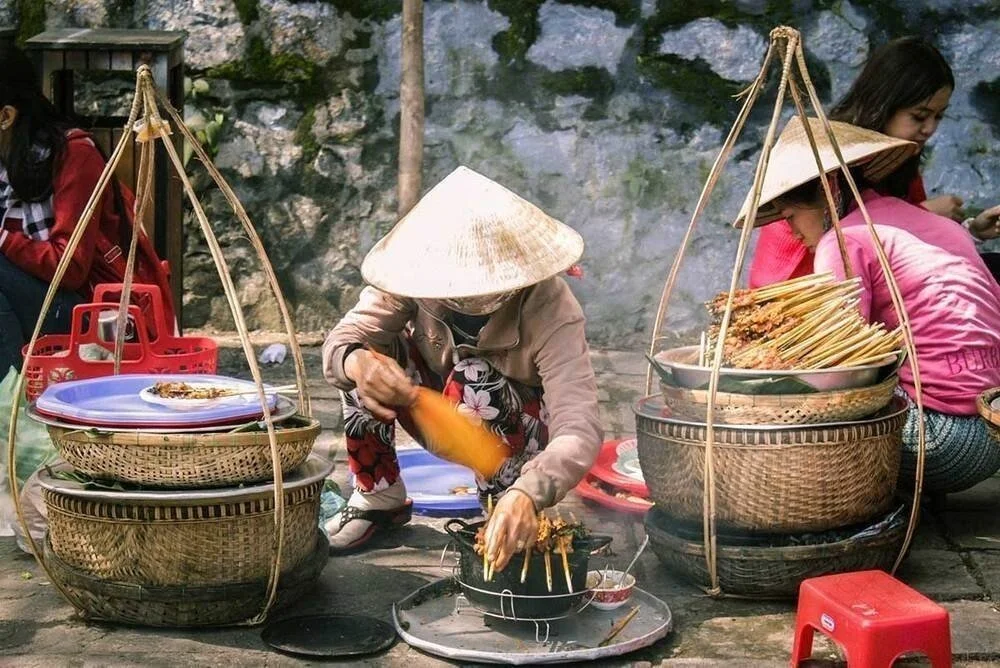
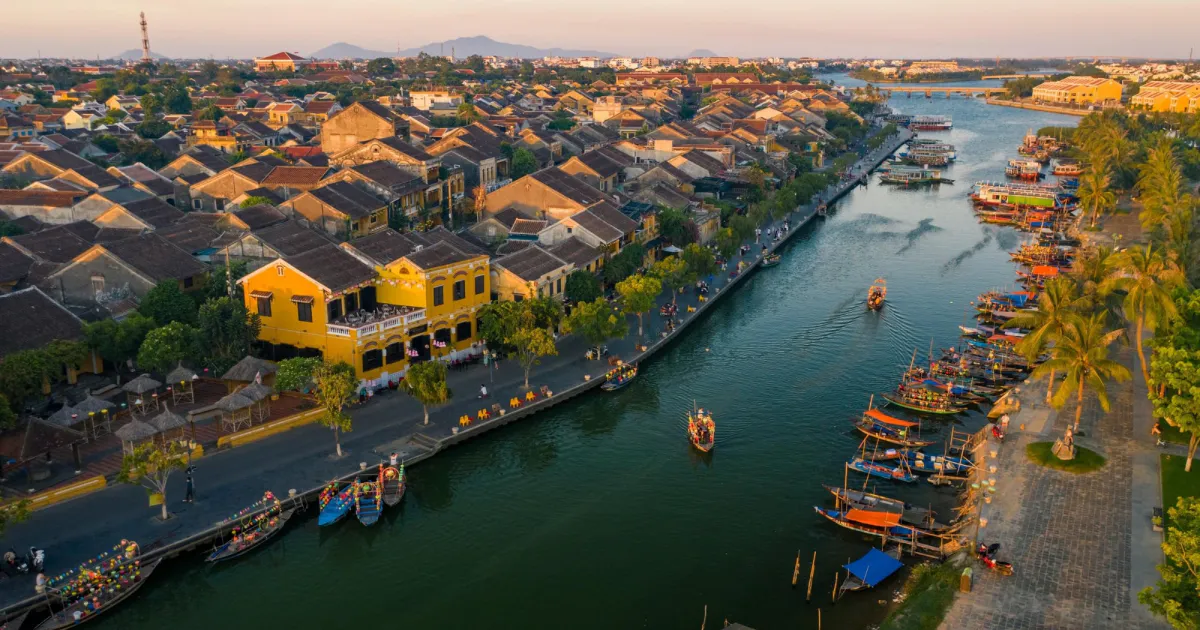
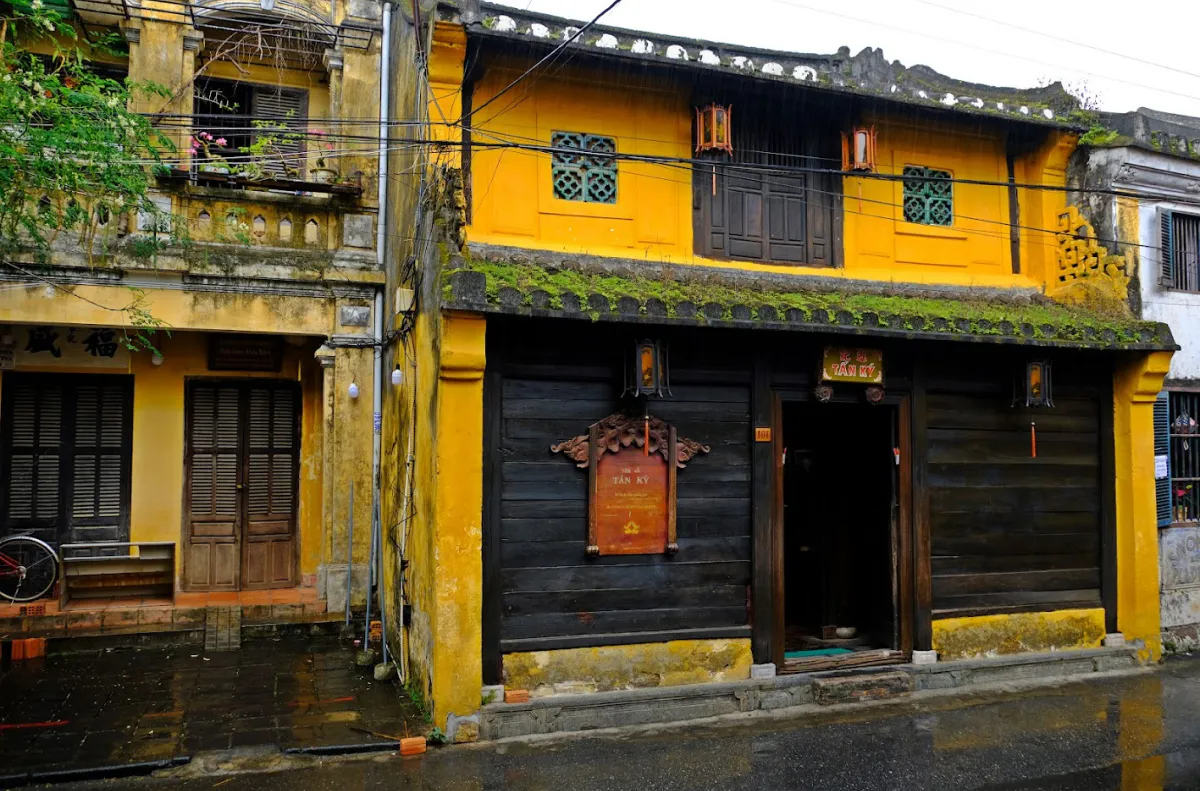
Hoi An does not only enchant visitors with its moss-covered yellow walls, silent narrow alleys, or the ethereal glow of silk lanterns at night; it is also home to a unique culinary heritage—a delicate fusion of Vietnamese, Chinese, and Japanese cultures. Over centuries, this land has distilled the finest ingredients to create a food ecosystem that is both rustic and aristocratic. If you are planning an upcoming trip and wondering what to eat in Hoi An, this article serves as your most detailed and professional culinary map. From humble sidewalk delicacies by the breezy Hoai River to sophisticated flavors served in century-old houses, we will explore why Hoi An is rightfully dubbed the “Kitchen of the World.”
Before diving into the specific list of what to eat in Hoi An, it is essential to understand that the local cuisine is not merely about sustenance; it is the result of a cultural accumulation spanning hundreds of years. Hoi An was once a bustling trading port in the 17th century, welcoming merchant ships from Japan, China, and the West. This cultural exchange left deep imprints on culinary techniques: the bold, passionate flavors of Central Vietnam, the subtle use of herbal spices from the Chinese, and the meticulous, aesthetic presentation of the Japanese.

Local ingredients play a core role in creating the soul of these dishes. You will find the presence of fresh herbs from Tra Que Vegetable Village—where fertile alluvial soil and traditional farming techniques create a unique aroma. Furthermore, fresh seafood caught from Cua Dai beach is brought in daily at dawn. The combination of rich soil and an open culinary mindset has created a level of freshness and uniqueness that no other city can match. This is exactly why anyone searching for what to eat in Hoi An is often overwhelmed by its depth and diversity.
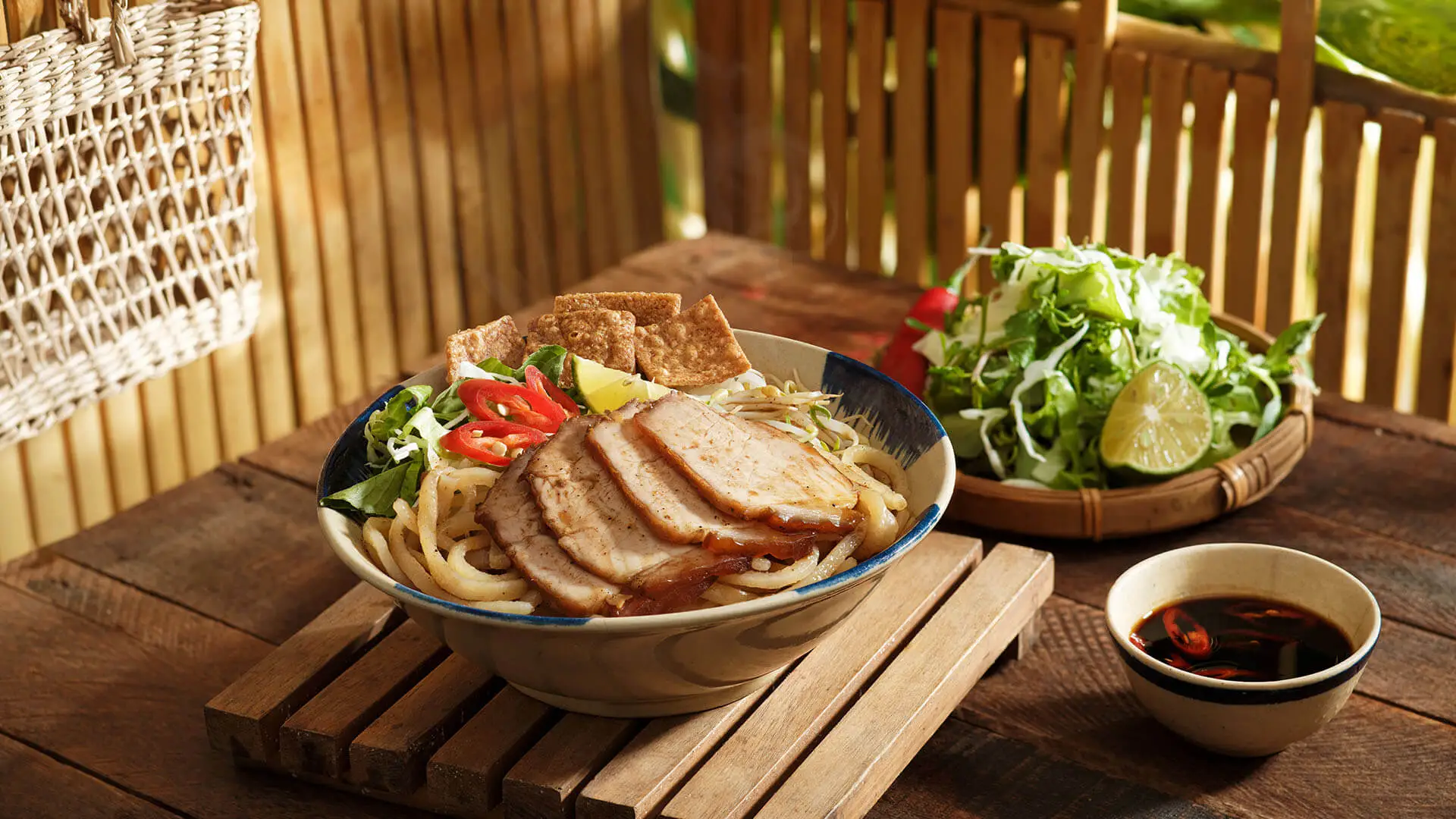
When asked the classic question of what to eat in Hoi An, the first dish that comes to the mind of every foodie and local alike is definitely Cao Lau. This is not just a dish; it is a cultural entity inseparable from the history of the ancient town. Cao Lau is considered “exclusive” to Hoi An due to its extremely strict and almost spiritual preparation process. Legend has it that to create the characteristic chewy texture and dull yellow color of the noodles, the ash water used to soak the rice must be taken from wood ash on Cham Island, and the water used to grind the rice must be drawn from the ancient Ba Le Well—a thousand-year-old well famous for its special light alum water.
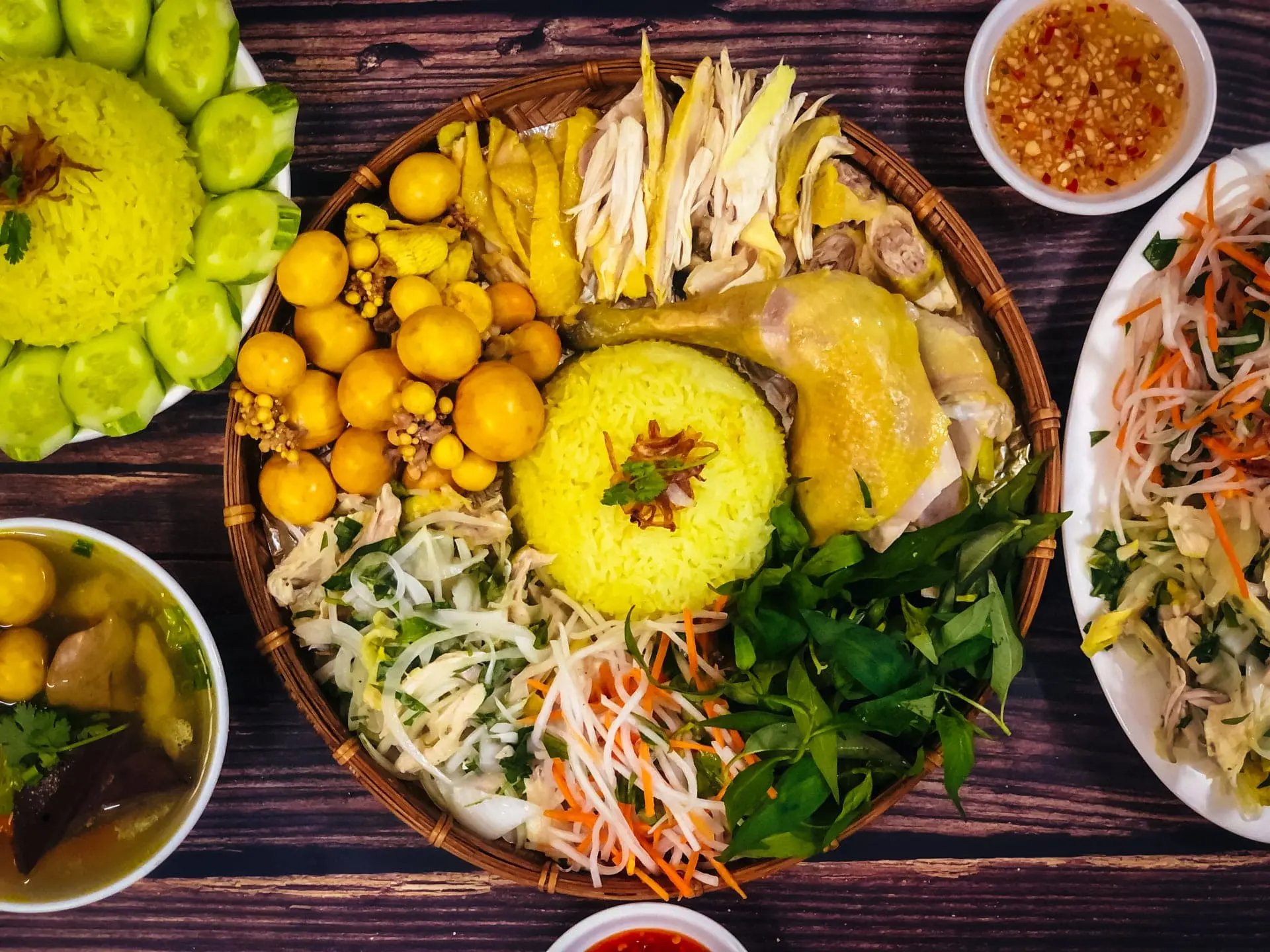
Hoi An Chicken Rice (Cơm Ga) is unlike Hainanese chicken rice or any other chicken rice in Vietnam. It possesses an elegant beauty yet remains deeply familiar. The most unique point lies in the rice. After being washed, the rice is cooked with chicken broth and turmeric powder, sometimes with a touch of chicken fat to make the grains fluffy, glossy, and subtly rich.
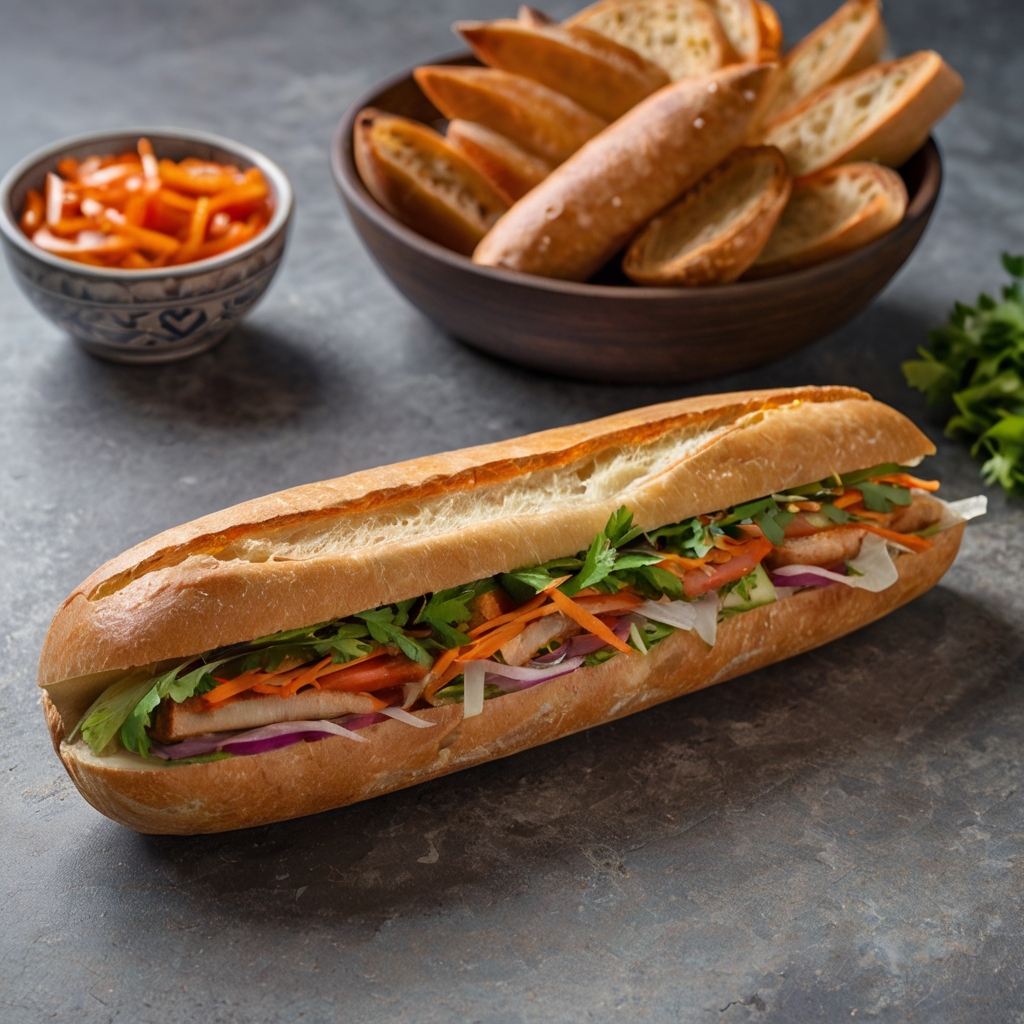
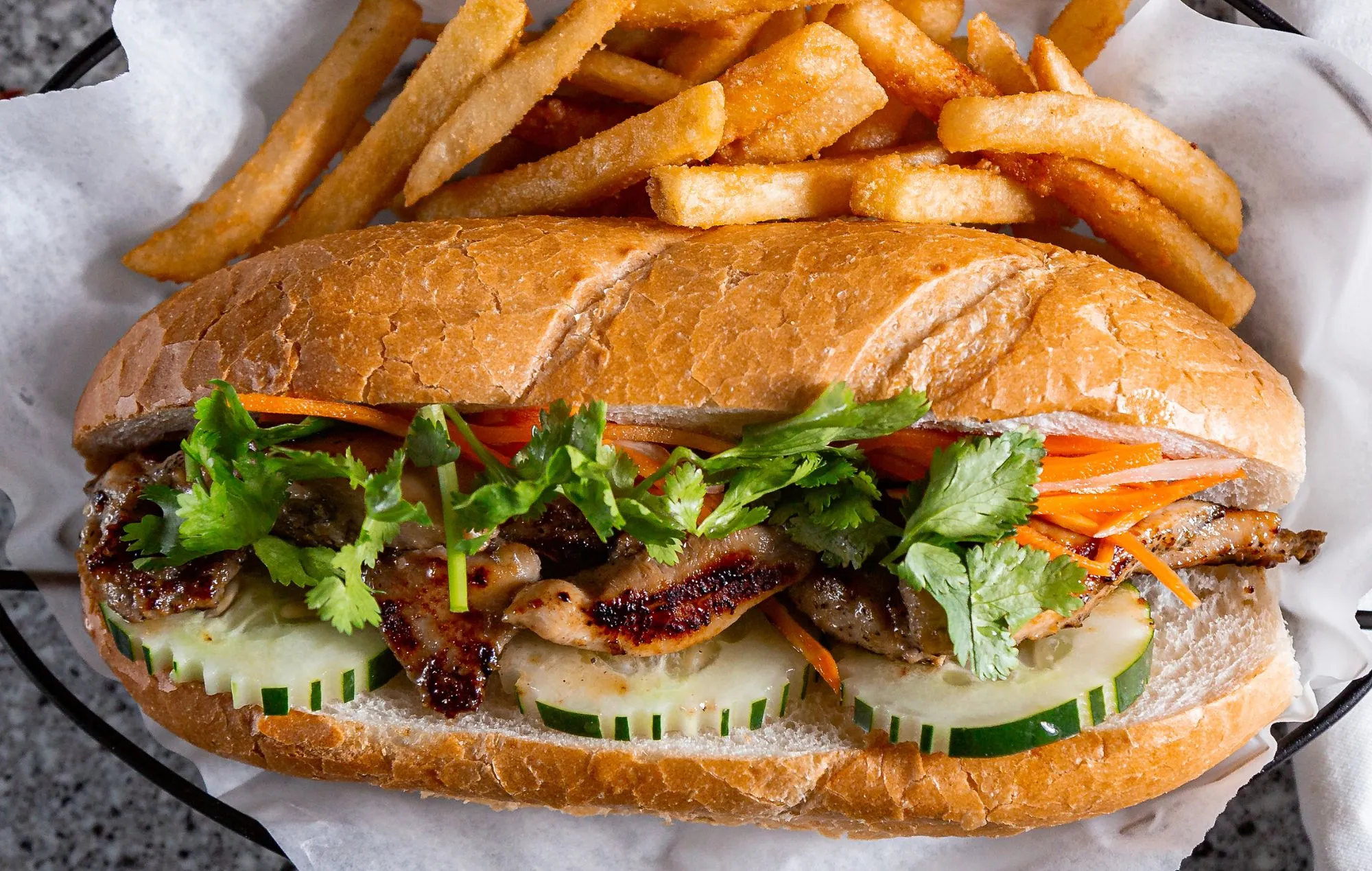
Hoi An Banh Mi has long transcended national borders to become a global culinary legend, receiving countless praises from world-renowned chefs and international media. The secret lies in the extraordinarily crispy crust that remains soft and airy inside, never becoming hard or chewy.
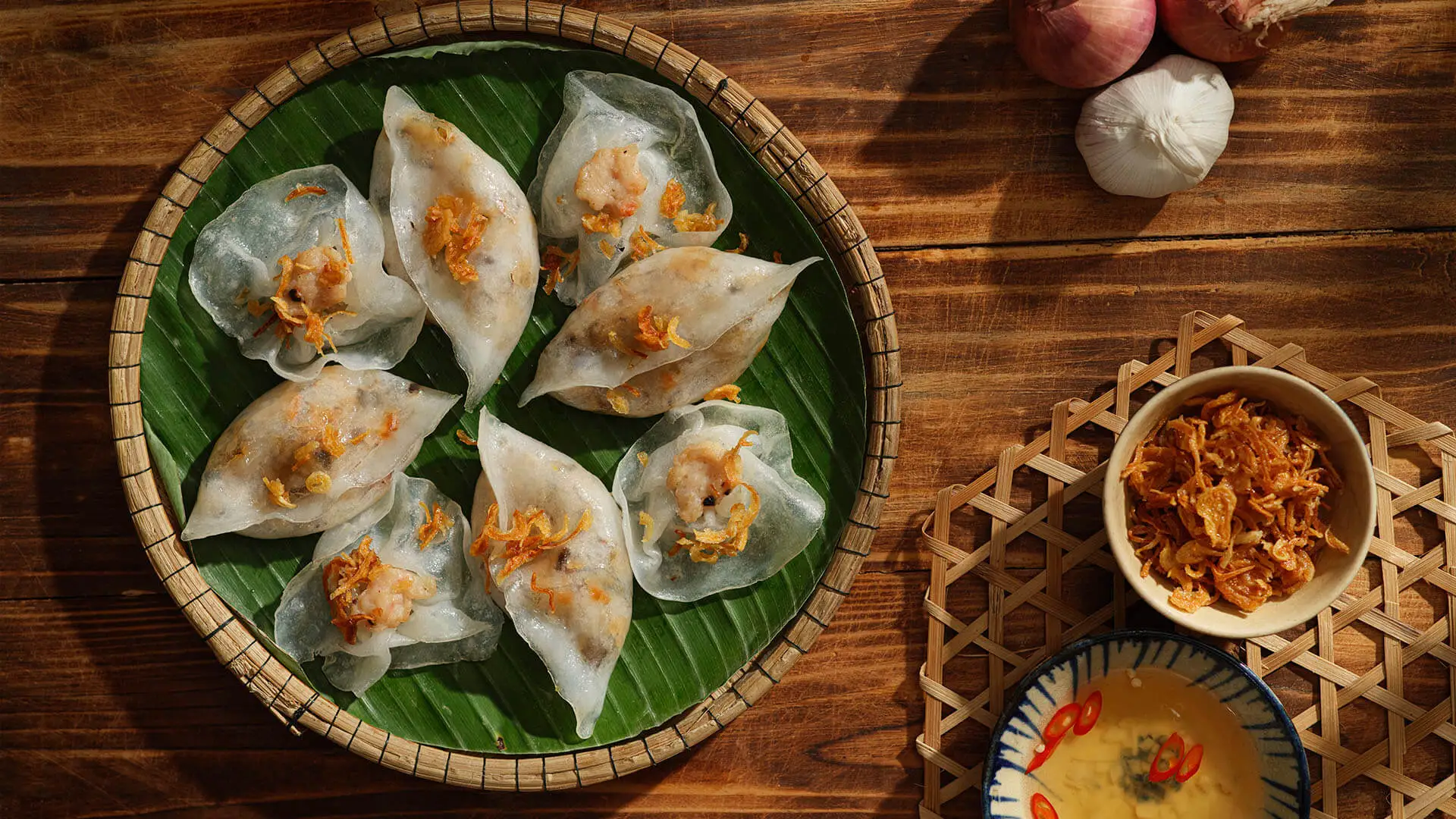
Likened to pristine white roses placed on porcelain plates, White Rose dumplings are a delicate fusion of Vietnamese and Chinese influences. This is a light, sophisticated dish that requires a meticulous process, especially the step of filtering rice flour to achieve a translucent, paper-thin skin that reveals the savory shrimp and pork filling inside. When served, the dumplings are topped with crispy fried shallots and dipped in a specially crafted sweet and sour fish sauce. For those who love light flavors, this dish always tops the list of what to eat in Hoi An.
If you are still wondering what to eat in Hoi An as the late afternoon sun begins to soften over the Hoai River, let your senses guide you to the riverside stalls:
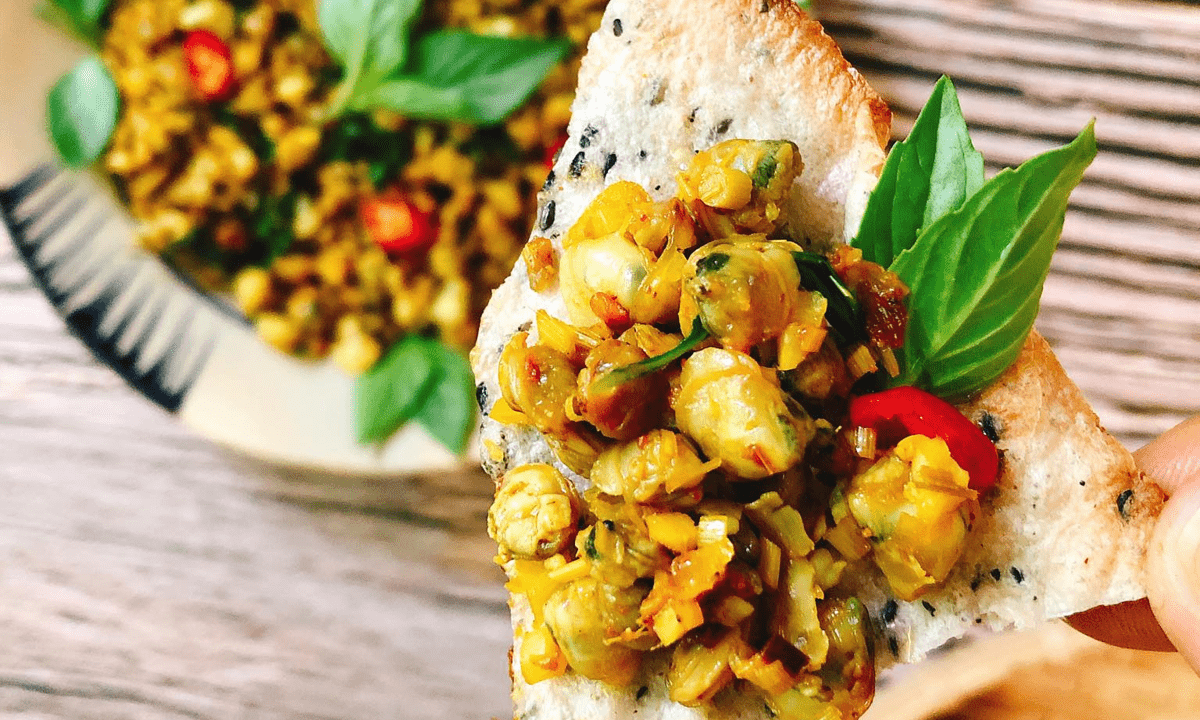
To fully answer the question of what to eat in Hoi An and enjoy this journey intelligently, you should take note of the timing:
Morning (6:00 AM – 9:00 AM): Wake up early to breathe in the fresh air and stop by a roadside Beef Noodle (Bun Bo) or Banh Mi stall. This is when you feel the town’s heartbeat most clearly before it fills with tourists.
Lunch (11:00 AM – 1:30 PM): As the sun gets stronger, choose restaurants with ancient, airy spaces to enjoy Cao Lau or Chicken Rice. The yellow walls and wooden architecture will enhance your dining experience.
Late Afternoon & Evening (4:00 PM – 9:00 PM): This is when Hoi An is most charming. Try a walking “Food Tour.” Navigating through small alleys to taste grilled pork skewers, corn soup, or sitting on the sidewalk for Banh Can (savory mini pancakes) will help you discover the full richness of the town’s street food. Never settle for just one restaurant; divide your appetite to enjoy as many items as possible on your what to eat in Hoi An list.
| Dish | Ref. Price (VND) | Best For | Note |
| Cao Lau | 35,000 – 55,000 | Breakfast/Lunch/Dinner | Try Thanh for the original taste. |
| Chicken Rice | 45,000 – 80,000 | Lunch/Dinner | Price depends on shredded chicken or drumstick. |
| Banh Mi | 25,000 – 45,000 | Snack/Convenience | Banh Mi Phuong usually has long queues. |
| White Rose | 70,000 – 100,000 | Appetizer | One plate has about 10-12 small pieces. |
| Corn Soup | 10,000 – 15,000 | Dessert | Cam Nam corn is the best. |
| Grilled Skewers | 10,000/skewer | Afternoon Snack | Usually sold in combos of 5-10 with herbs. |
| Smashed Rice Paper | 30,000 – 50,000 | Afternoon Snack | Great for sharing with friends. |
To ensure your “food tour” is flawless, keep these tips in mind:
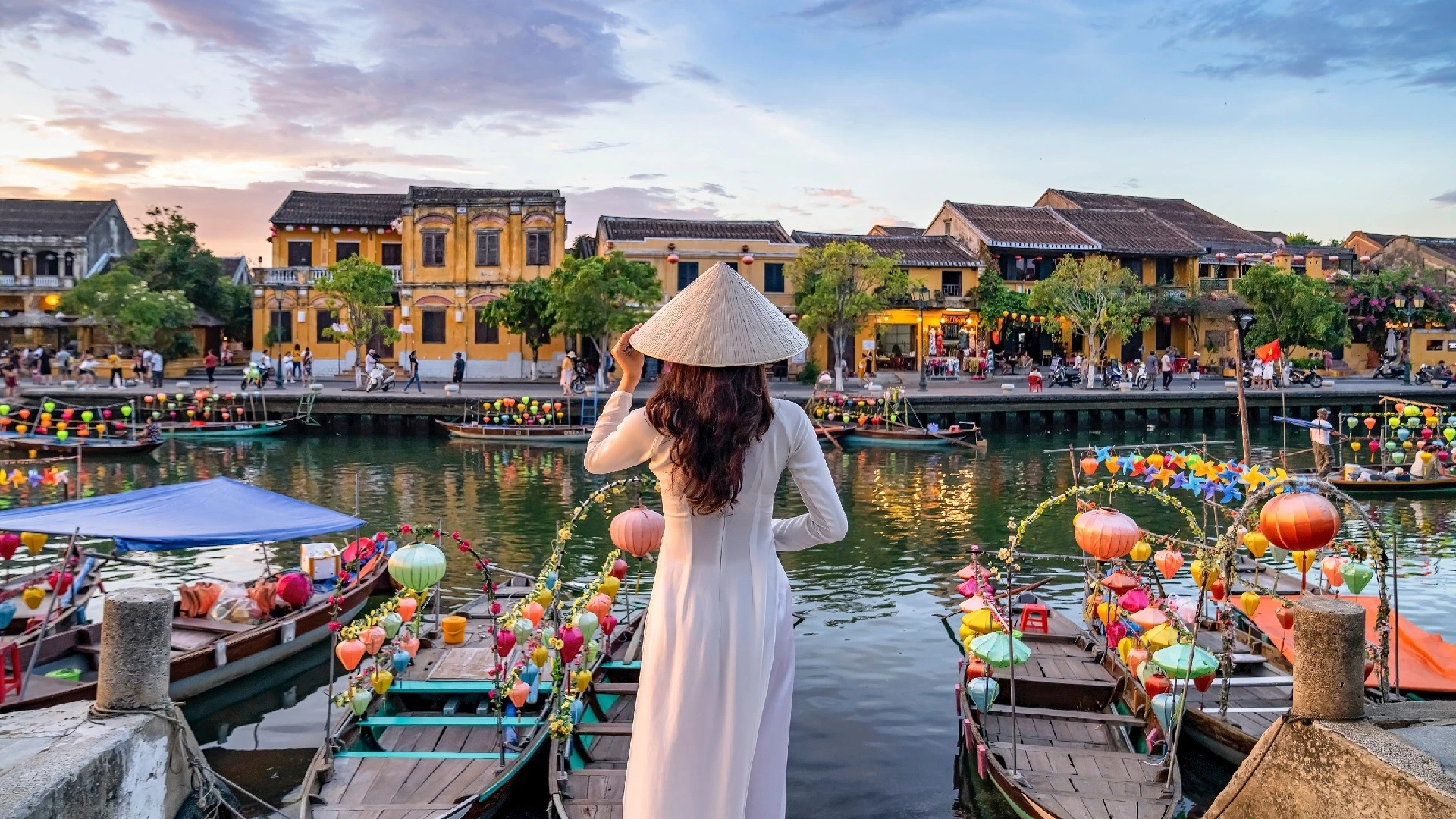
Exploring the culture of a land always goes through the path of the palate, and Hoi An is the clearest evidence of that. With the comprehensive list of what to eat in Hoi An above, I hope you now hold the key to the town’s exquisite culinary treasury. Hoi An doesn’t just give you beautiful photos of yellow walls or lanterns; it leaves a lingering, bold taste of a land rich in tradition and human warmth in your memory.
Whether you are a gourmet seeking Michelin-standard flavors or simply a traveler looking for a comforting meal after a long day of walking, the question of what to eat in Hoi An will always have an answer that satisfies you to the very last bite. Do not hesitate to step into the narrow alleys, for sometimes, the true culinary treasures are hidden behind wooden doors weathered by time. We wish you a delicious and fulfilling journey in the beautiful Ancient Town!
With Simply Vietnam Travel, you can rest assured that every detail of your itinerary has been meticulously prepared. As a specialist in organizing Central Vietnam tours, we offer you a diverse selection of well-structured itineraries that blend sightseeing, relaxation, and local cuisine, ensuring a fulfilling journey to unforgettable destinations.
A Central Vietnam adventure will be far more exciting when you simply bring your sense of exploration, while the planning is handled by Simply Vietnam Travel.
Contact us through the following channels for a free consultation:
The “golden window” for a culinary journey is from 4:00 PM to 8:00 PM. This is when the street stalls along the Hoai River and the night market are most vibrant. However, if you aim to try legendary spots like Com Ga Ba Buoi or Cao Lau Thanh, it is best to go for lunch or before 6:00 PM, as these traditional family-run eateries often sell out very early.
Absolutely. Hoi An has a long-standing tradition of vegetarianism (especially during the full moon and the first day of the lunar month). Iconic dishes like Vegetarian Cao Lau or Vegan Banh Mi are widely available and delicious. You can find specialized vegetarian restaurants on Phan Chu Trinh Street or affordable vegan stalls inside the Hoi An Central Market.
The secret lies in the local ingredients. Authentic Cao Lau noodles must be processed using ash water from Cham Island wood and water drawn from the ancient Ba Le Well. This specific combination of local elements creates a unique chewy texture and flavor that is nearly impossible to replicate perfectly in other regions, even with the same recipe.
Hoi An is a paradise for every budget. With approximately 300,000 – 500,000 VND ($12 – $20 USD), a traveler can comfortably enjoy a full day of eating, including a hearty breakfast, an authentic lunch, various street snacks, a romantic riverside dinner, and local beverages.
Central Vietnamese cuisine is famous for its bold and spicy flavors. Dishes like Banh Mi or Chicken Rice typically come with a signature chili jam by default. If you have a low tolerance for heat, always remember to say “No chili, please” when ordering. Additionally, local fish sauce is quite potent and savory, so it is wise to taste it before adding more to your dish.