291/2 Le Van Hien, Da Nang, Vietnam
hi@simplyvietnamtravel.com
+84 793 553 385
Mon – Sun 8.00 – 18.00

 travel
April 1, 2026
travel
April 1, 2026
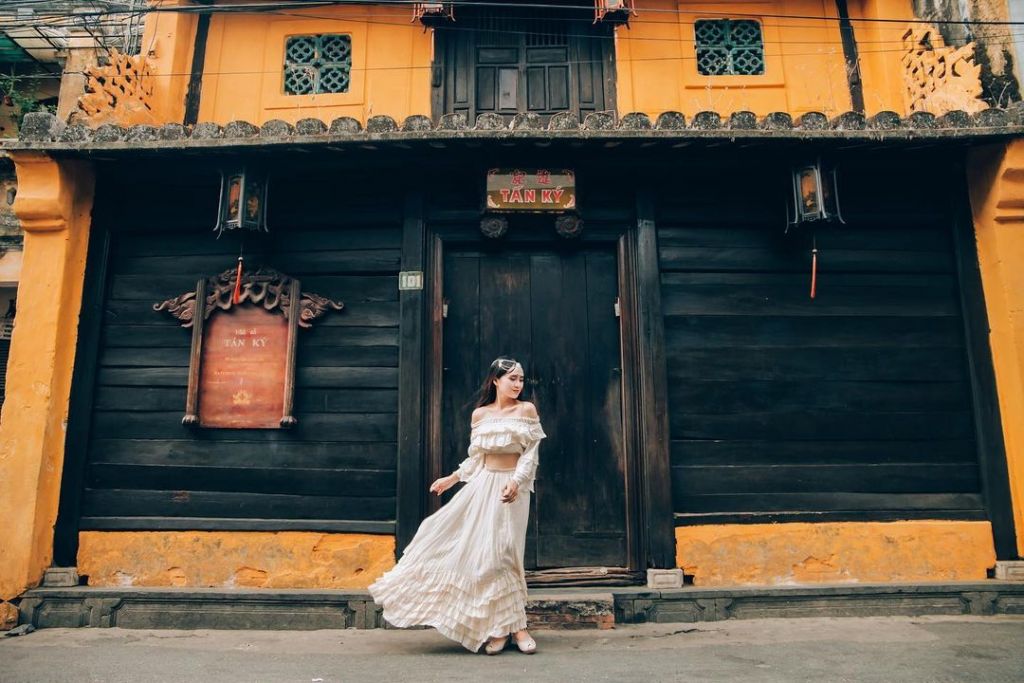
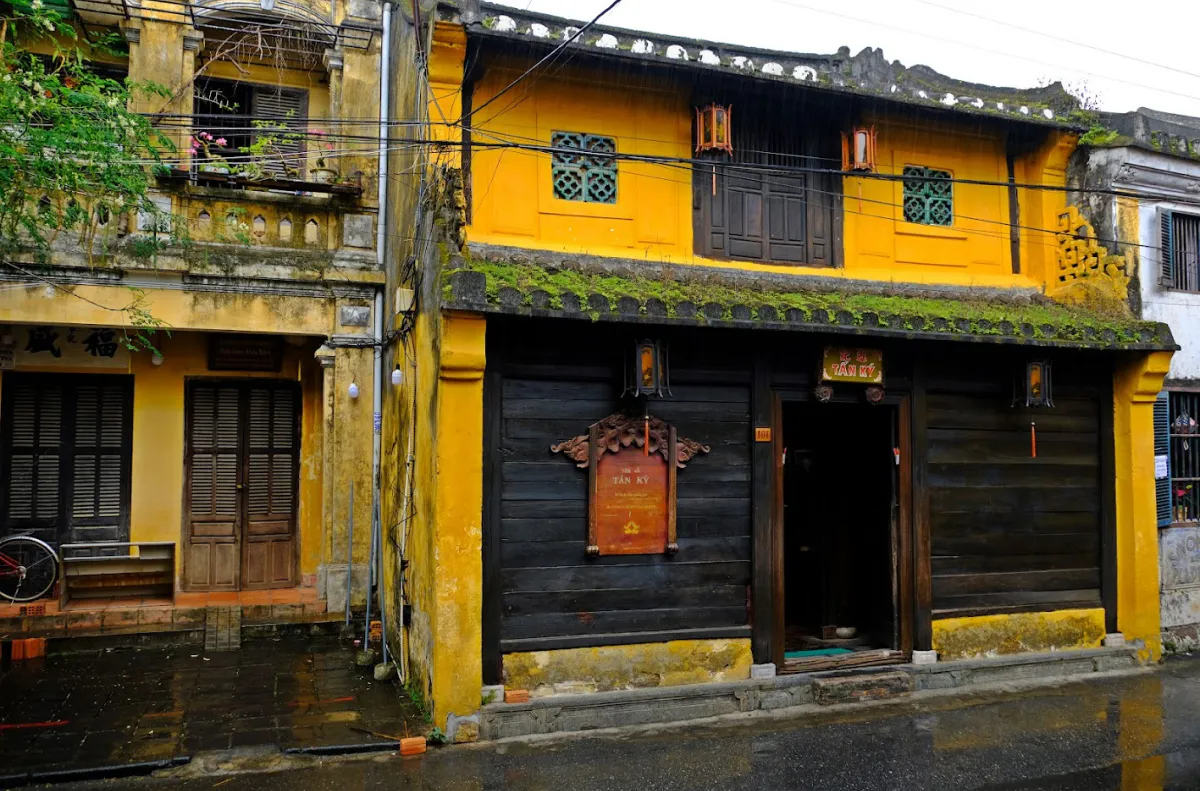
Located in the heart of Hoi An Ancient Town, Tan Ky Old House stands as one of the best-preserved merchant houses in Vietnam, reflecting centuries of cultural exchange and trading history. With its remarkable architecture, antique collections, and stories passed down through generations, this historic house offers visitors a fascinating glimpse into the life of Hoi An’s wealthy trading families. In this guide from Simply Vietnam Travel, you will discover the history, architecture, and highlights that make this landmark a must-visit destination when exploring Hoi An.

Tan Ky Old House is one of the most iconic historic residences in Hoi An Ancient Town. For more than two centuries, this merchant house has reflected the cultural exchanges, trading activities, and architectural traditions that once shaped the city. By exploring Tan Ky Old House, visitors can better understand how wealthy merchant families lived and conducted business during the golden age of Hoi An’s international trade.
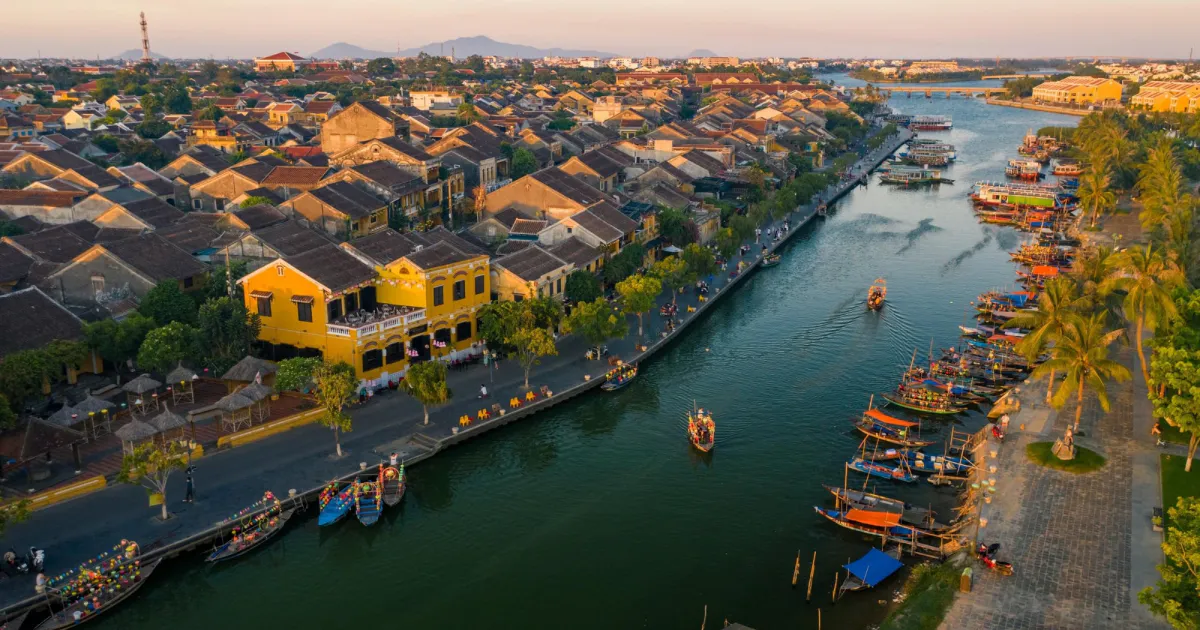
Located on Nguyen Thai Hoc Street in the center of the UNESCO-listed old town, Tan Ky Old House sits within one of the most historically significant areas of Hoi An. Travelers walking through the narrow streets filled with lanterns, cafés, and traditional buildings will easily encounter this preserved residence along the route between the Japanese Bridge and the Thu Bon River.
For those wondering where is Tan Ky Old House located, the building stands in a district that once served as the commercial heart of the trading port. In the past, merchant houses in this neighborhood were designed to function both as family homes and trading spaces. The convenient location allowed goods arriving by boat to be transported directly into warehouses connected to the houses.
For generations, Tan Ky Old House has remained under the care of the same Vietnamese merchant family who originally built it. The name “Tan Ky” can be translated as “new prosperity,” symbolizing the ambition and success of the family’s trading business during the height of Hoi An’s commercial activity.
Inside Tan Ky Old House, the space was traditionally divided into areas used for welcoming guests, storing goods, and hosting family ceremonies. Merchants conducted negotiations and business transactions here, turning the residence into both a home and an active trading hub. The descendants of the family still preserve the building today, maintaining its historical character and cultural value for visitors.
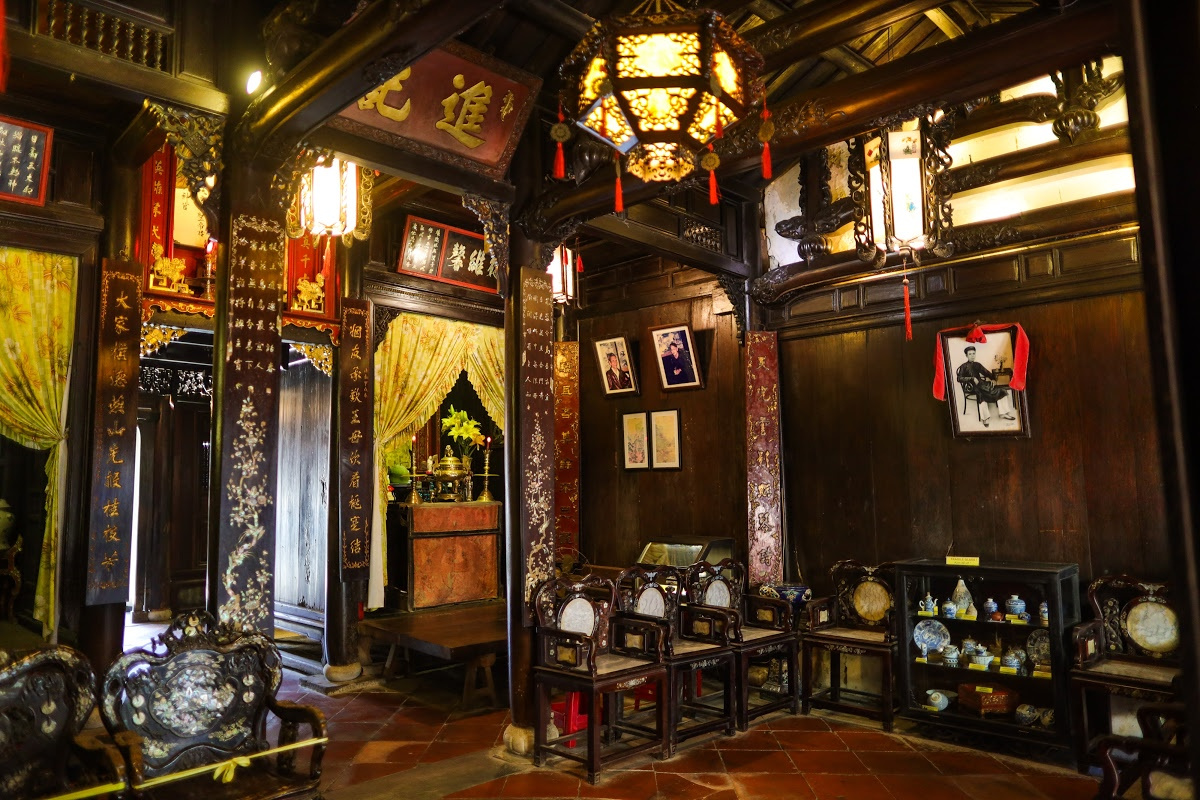
The story of Tan Ky Old House dates back to the early 18th century, when Hoi An was one of Southeast Asia’s busiest trading ports. Merchant ships from China, Japan, and Europe regularly arrived at the harbor, bringing silk, ceramics, spices, and other valuable goods that were exchanged in local markets.
Throughout the centuries, Tan Ky Old House Hoi An history has been shaped by both prosperity and natural challenges. The town frequently experienced seasonal flooding, and the house still displays water-level marks from major floods that occurred in the past. Despite these events, the building has remained remarkably well preserved thanks to its solid wooden structure and thoughtful architectural design.
Visitors who want a deeper understanding of the building’s past can also explore this detailed article about Tan Ky Ancient House, which explains its historical background and cultural significance.
One of the most fascinating aspects of Tan Ky Old House is its unique architectural design, which reflects centuries of cultural exchange in the historic trading port of Hoi An. Built during a time when merchants from different countries frequently visited the town, the house combines architectural influences from Vietnam, China, and Japan. This harmonious blend makes Tan Ky Old House not only a historic residence but also a remarkable example of multicultural design preserved through generations.
The most distinctive feature of Tan Ky Old House architecture is its balanced combination of several Asian building traditions. Traditional Vietnamese elements appear in the wooden frame structure and the narrow tube-shaped layout, which was common in merchant houses built along busy trading streets.
At the same time, Tan Ky Old House incorporates Chinese decorative motifs such as intricate carvings, symbolic ornaments, and ancestral altars that reflect the spiritual beliefs of the merchant family. Japanese influences can also be seen in certain architectural details, particularly the wooden beams and structural techniques that help strengthen the house against the region’s humid climate.
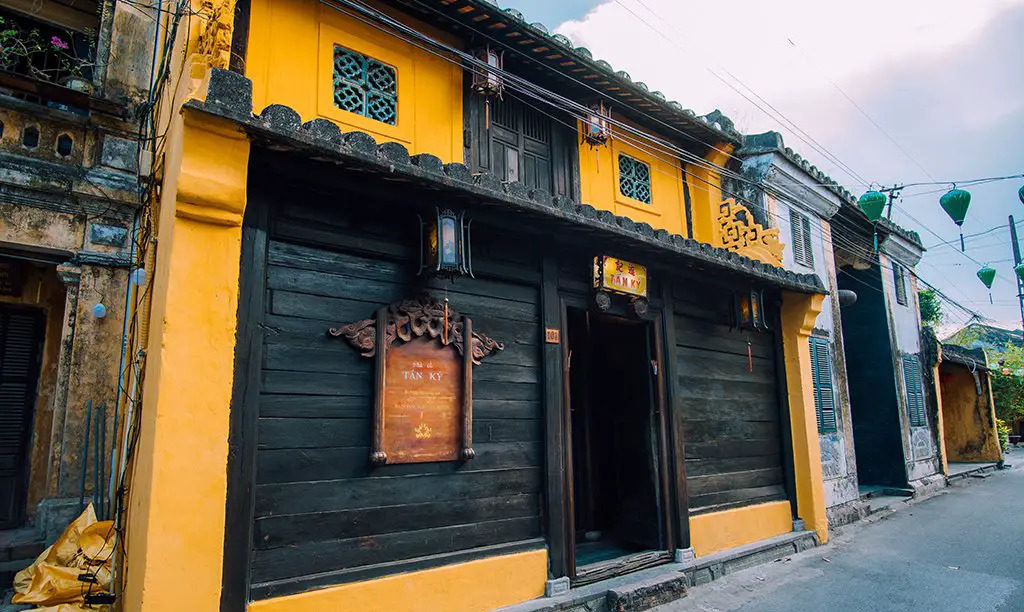
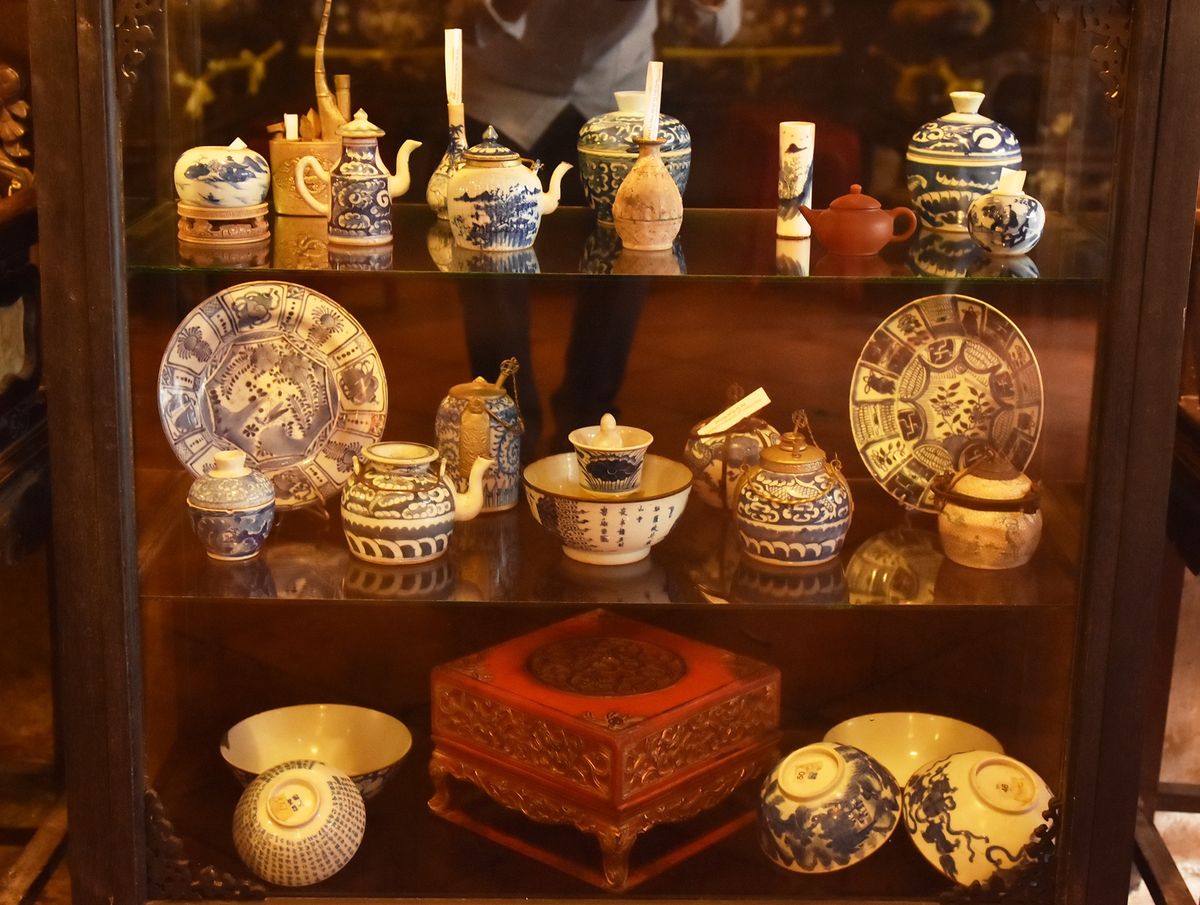
Stepping inside Tan Ky Old House feels like entering a small living museum where centuries-old objects still remain in their original positions. The interior displays a remarkable collection of antiques, including carved wooden furniture, traditional ceramics, and decorative panels that once symbolized wealth and status.
Many of these objects were collected by generations of the merchant family who lived in Tan Ky Old House, and each piece tells a story about the trading connections that once linked Hoi An with other parts of Asia. Visitors often notice the carefully preserved wooden columns and beams, which have darkened over time yet continue to support the house’s impressive structure.
Among the most interesting things to see in Tan Ky Old House are the historical flood markers that remain visible on the walls. These marks show how high the floodwaters once rose in Hoi An, offering a powerful reminder of the natural challenges the town has faced over the centuries.
Another highlight of Tan Ky Old House is the beautifully carved “Confucius Cup,” a symbolic artifact designed so that wine would only pour when the cup was filled to the correct level, representing the value of moderation. Along with ancient calligraphy scrolls, wooden carvings, and family heirlooms, these objects help visitors imagine daily life inside a prosperous merchant household during Hoi An’s golden trading era.
Before planning a visit, understanding a few practical tips can help travelers fully appreciate the experience. Because Tan Ky Old House is located within the busy Hoi An Ancient Town, timing your visit well and knowing what to expect will make the exploration more enjoyable.
Today, Tan Ky Old House is open to visitors as part of the Hoi An Ancient Town heritage ticket system. Travelers usually need to purchase a sightseeing ticket that grants access to several historic attractions, including traditional houses, assembly halls, and museums throughout the old town.
When visiting Tan Ky Old House, tourists can walk through the preserved living spaces while learning about the family history and the trading culture that once flourished here. Local guides or family members often share stories about the house’s past, making the visit both educational and engaging.
The experience of exploring Tan Ky Old House can change depending on the time of day and the travel season. Early morning is often the best time to visit because the streets are quieter and the atmosphere feels more authentic before large tour groups arrive.
During the late afternoon, Tan Ky Old House becomes part of the lively scenery of Hoi An as lanterns begin to light up across the old town. This is also a beautiful time to walk along the nearby streets, take photos of the historic architecture, and enjoy the charming riverside atmosphere.
In the evening, many visitors continue exploring Hoi An by watching the famous Hoi An Memories Show, a large-scale cultural performance that recreates the town’s trading history.
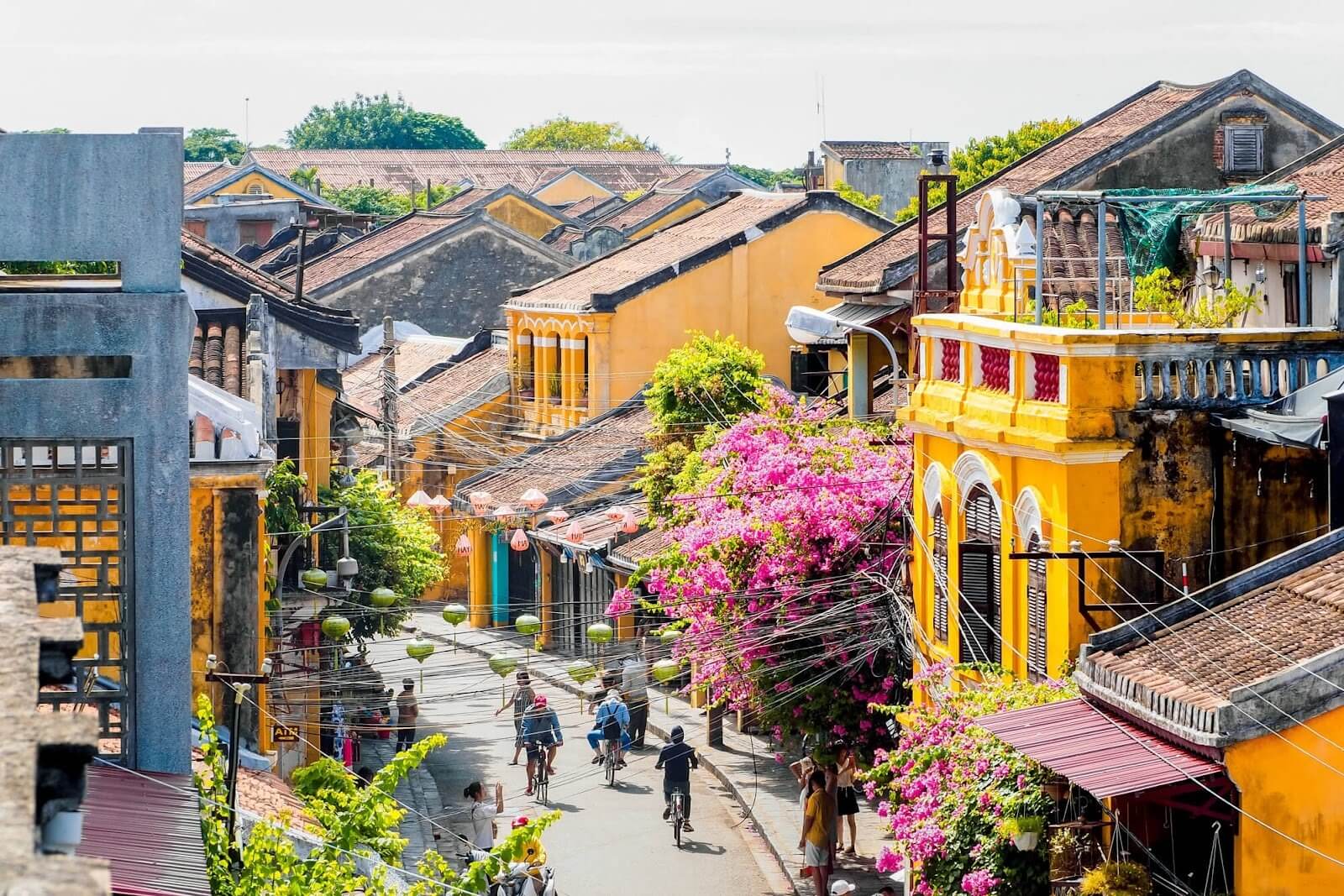
While exploring Tan Ky Old House, visitors should take time to wander through the surrounding streets of the old town as well. The area is filled with historic temples, craft shops, traditional houses, and small cafés where travelers can experience the relaxed rhythm of Hoi An.
Many travelers combine a visit to Tan Ky Old House with a leisurely walk along the Thu Bon River, tasting local street food, or browsing lantern shops. These small experiences help reveal the timeless charm that has made Hoi An one of Vietnam’s most beloved destinations.
Weather and travel seasons can also influence your experience, so checking the best time to visit Hoi An before planning your trip can help you choose the ideal period to explore the ancient town.
Although Tan Ky Old House is one of the most famous historic residences in the town, Hoi An still preserves several other traditional houses that reveal different aspects of the city’s merchant heritage. Exploring these places allows travelers to better understand the lifestyle, architecture, and trading culture that once defined the old port city.
Among the most interesting Hoi An ancient houses to visit is Phung Hung Old House, another well-preserved merchant residence located not far from the Japanese Bridge. Built more than two centuries ago, the house reflects a similar combination of Vietnamese, Chinese, and Japanese architectural styles.
Like Tan Ky Old House, this residence also served as both a family home and a trading place. Visitors will notice its impressive wooden structure, decorative carvings, and elevated floor design that helped protect the house from seasonal floods.
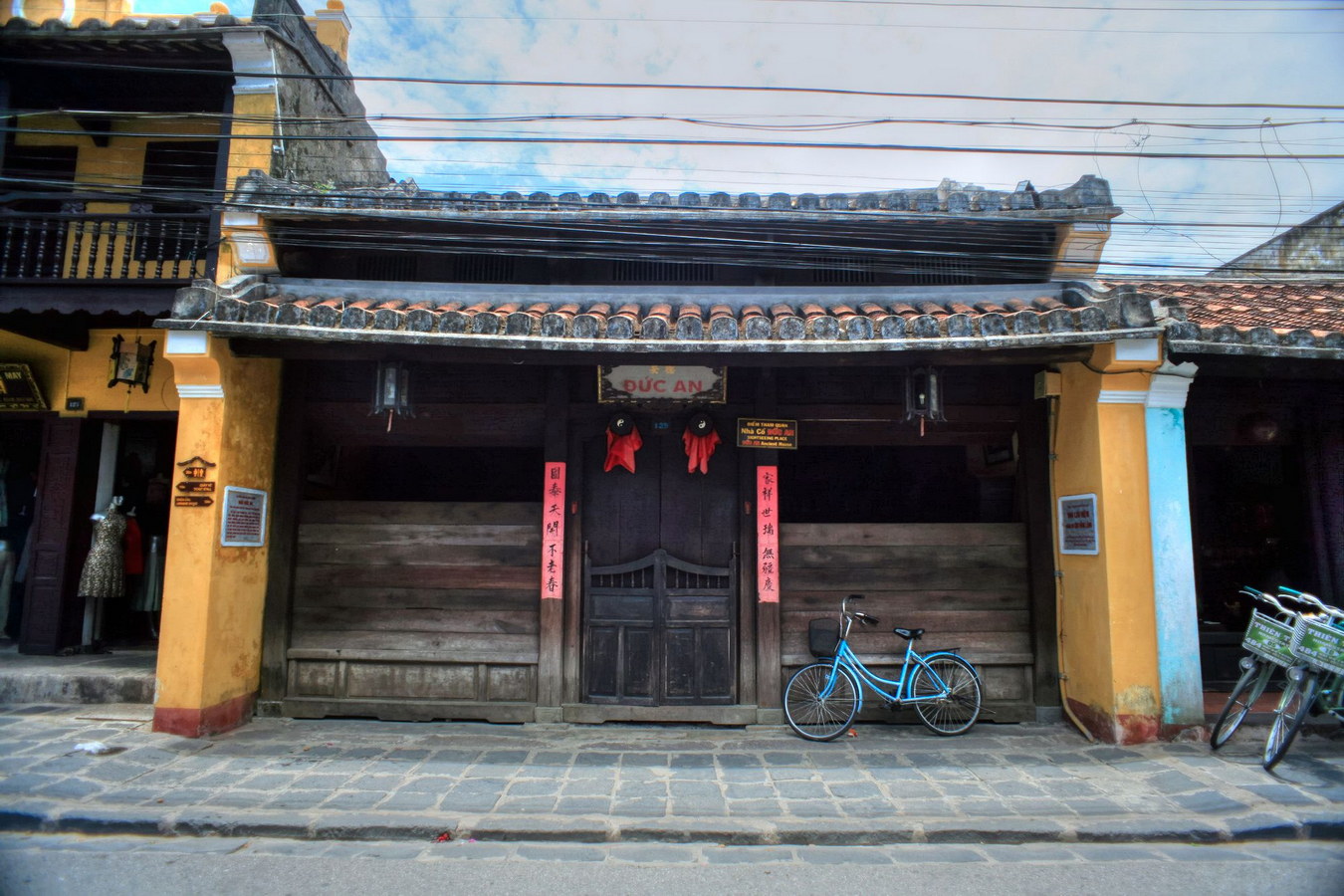
Another historic building worth exploring is Duc An Old House, which has a slightly different story compared with Tan Ky Old House. While it originally functioned as a merchant residence, the building later became known for its role in Vietnam’s intellectual and political history.
Today, Tan Ky Old House and Duc An Old House together illustrate how traditional houses in Hoi An evolved over time, from bustling trading spaces to cultural heritage sites that preserve the memories of past generations. Visiting both locations offers a deeper perspective on the rich history hidden within the narrow streets of the old town.
Exploring Tan Ky Old House offers travelers a meaningful glimpse into the rich trading history and multicultural heritage of Hoi An. From its carefully preserved wooden architecture to the antiques and stories passed down through generations, the house reflects the lifestyle of merchant families who once shaped the town’s prosperity. Walking through its rooms allows visitors to experience a unique blend of Vietnamese, Chinese, and Japanese influences that still define the character of Hoi An today.
If you are planning a journey to this charming ancient town, adding this historic residence to your itinerary will make your visit even more memorable. For more travel inspiration, local insights, and carefully designed Vietnam itineraries, explore the travel guides from Simply Vietnam Travel and start planning your unforgettable adventure in Hoi An.
Contact us through the following channels for a free consultation:
1. Where is Tan Ky Old House located?
Tan Ky Old House is located on Nguyen Thai Hoc Street in the heart of Hoi An Ancient Town, close to the Japanese Bridge and the Thu Bon River.
2. How old is Tan Ky Old House?
The house was built in the early 18th century and has been preserved by the same merchant family for more than 200 years.
3. Is Tan Ky Old House worth visiting in Hoi An?
Yes, it is one of the best-preserved merchant houses in Hoi An and offers visitors a unique look into the town’s trading history and traditional architecture.