291/2 Le Van Hien, Da Nang, Vietnam
hi@simplyvietnamtravel.com
+84 793 553 385
Mon – Sun 8.00 – 18.00

 travel
April 2, 2026
travel
April 2, 2026
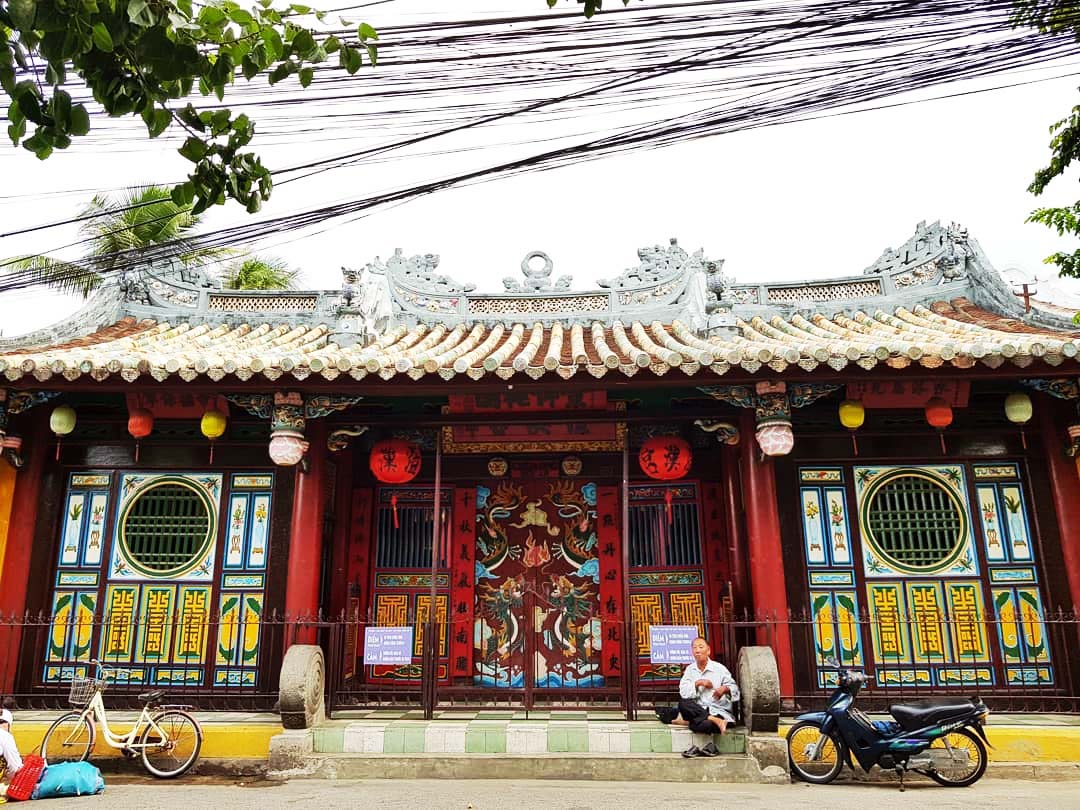
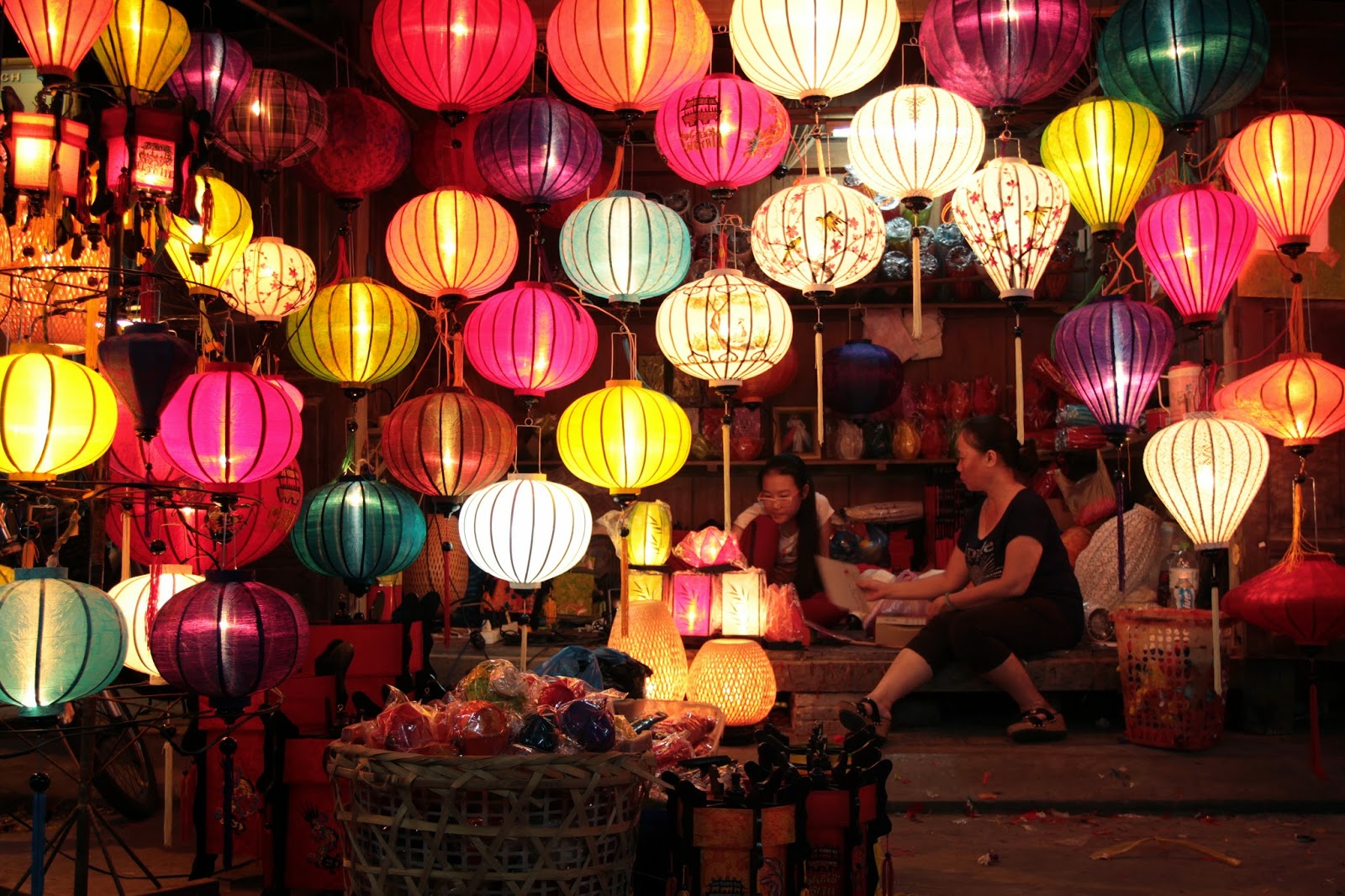
Hoi An Ancient Town is famous for its lantern-lit streets, centuries-old houses, and cultural landmarks shaped by international trade. Among the many historic temples in the old town, Quan Cong Temple stands out as a sacred place dedicated to a legendary general admired for loyalty and integrity.
Today, the temple remains an important spiritual and cultural site where visitors can admire traditional architecture while learning about the Chinese heritage that influenced Hoi An. Travelers exploring the ancient town can also discover more cultural experiences and travel inspiration through Simply Vietnam Travel, a trusted source for discovering Vietnam’s most remarkable destinations.
Understanding the history behind Quan Cong Temple helps visitors appreciate why this sacred site has remained an important cultural landmark in Hoi An for centuries. The temple reflects not only spiritual beliefs but also the historical influence of Chinese merchants who once played a major role in the town’s thriving trading port.
The figure honored at Quan Cong Temple is Guan Yu, a famous general who lived during the late Eastern Han Dynasty and the Three Kingdoms period in China. According to historical records, he later became a symbol of loyalty and righteousness in East Asian culture.
Over time, he was worshipped as a protective deity, especially among merchants and business communities. In many traditional societies, Guan Yu represents trust, integrity, and moral strength qualities that were highly valued by traders who once gathered in Hoi An.
The Quan Cong Temple history began in 1653, when Chinese immigrants living in Hoi An decided to build a place of worship dedicated to the legendary general. During that period, Hoi An was one of Southeast Asia’s most important international trading ports, attracting merchants from China, Japan, and other regions.
As the town developed, Quan Cong Temple became a spiritual gathering place for the Chinese community. Merchants visited the temple to pray for prosperous business, protection during sea voyages, and honesty in trade. These traditions helped strengthen the temple’s role as both a religious and cultural symbol.
Even today, Quan Cong Temple continues to stand as a reminder of the multicultural heritage that shaped Hoi An. Its enduring presence reflects the deep historical connections between the town and the Chinese communities that once flourished there.
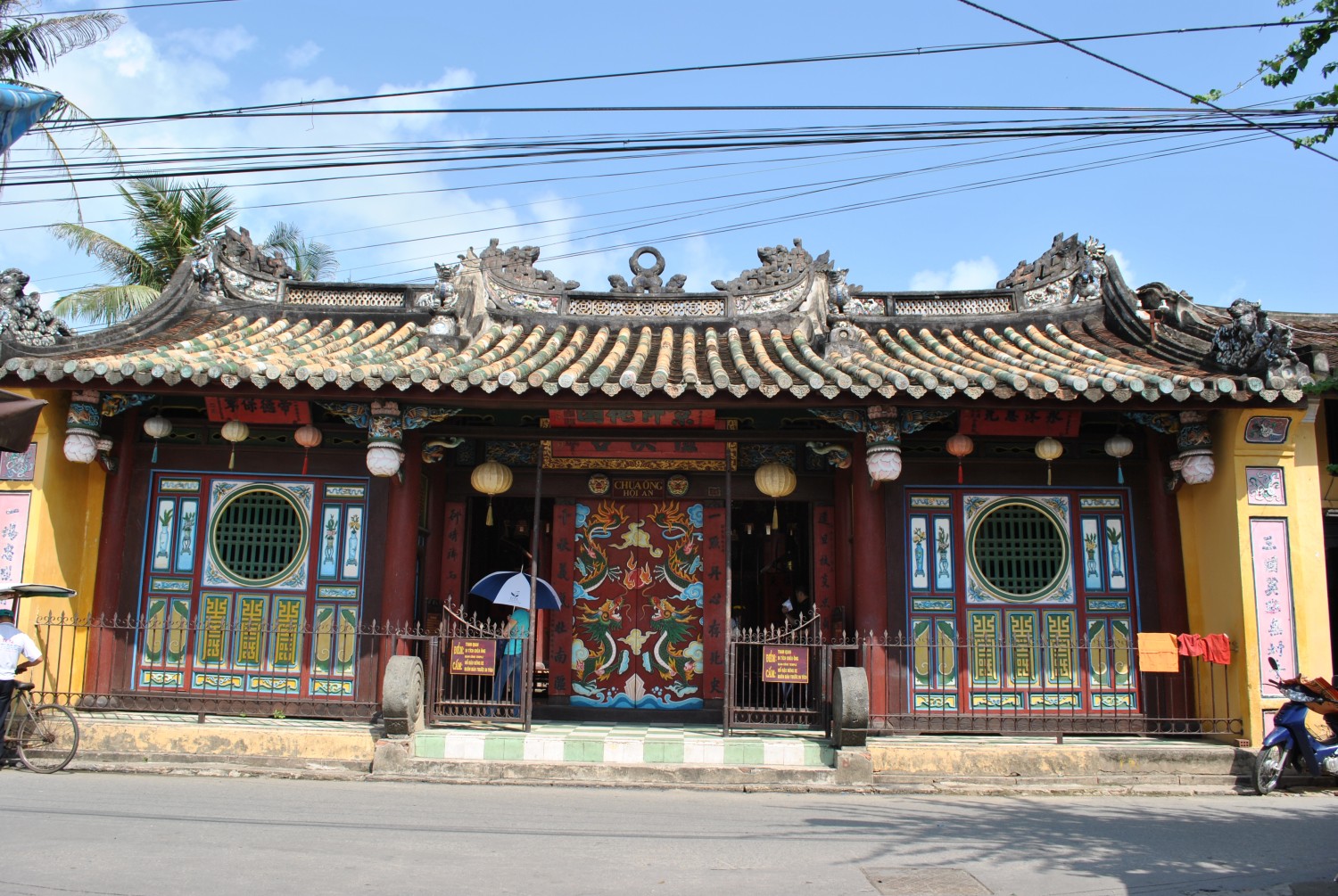
The beauty of Quan Cong Temple lies not only in its spiritual significance but also in its remarkable architectural design. Built in traditional Chinese style, the temple showcases detailed craftsmanship, symbolic decorations, and a harmonious layout that reflects centuries of cultural influence in Hoi An.
Visitors entering Quan Cong Temple will immediately notice its classic temple layout, which follows traditional Chinese architectural principles. The structure is arranged along a central axis, guiding visitors from the entrance gate through an open courtyard and into the main sanctuary.
This design creates a sense of balance and symmetry that is common in historic Chinese religious buildings. The spacious courtyard also allows natural light to illuminate the complex, creating a peaceful atmosphere for visitors exploring the sacred grounds.
One of the highlights of Quan Cong Temple architecture is the extraordinary attention to decorative detail. The temple roof is adorned with colorful ceramic mosaics, dragon motifs, and symbolic patterns that represent prosperity and protection.
Inside the temple, visitors can admire intricately carved wooden panels, painted beams, and traditional calligraphy. These artistic elements not only enhance the visual beauty of the temple but also reflect the craftsmanship of artisans who contributed to its construction centuries ago.
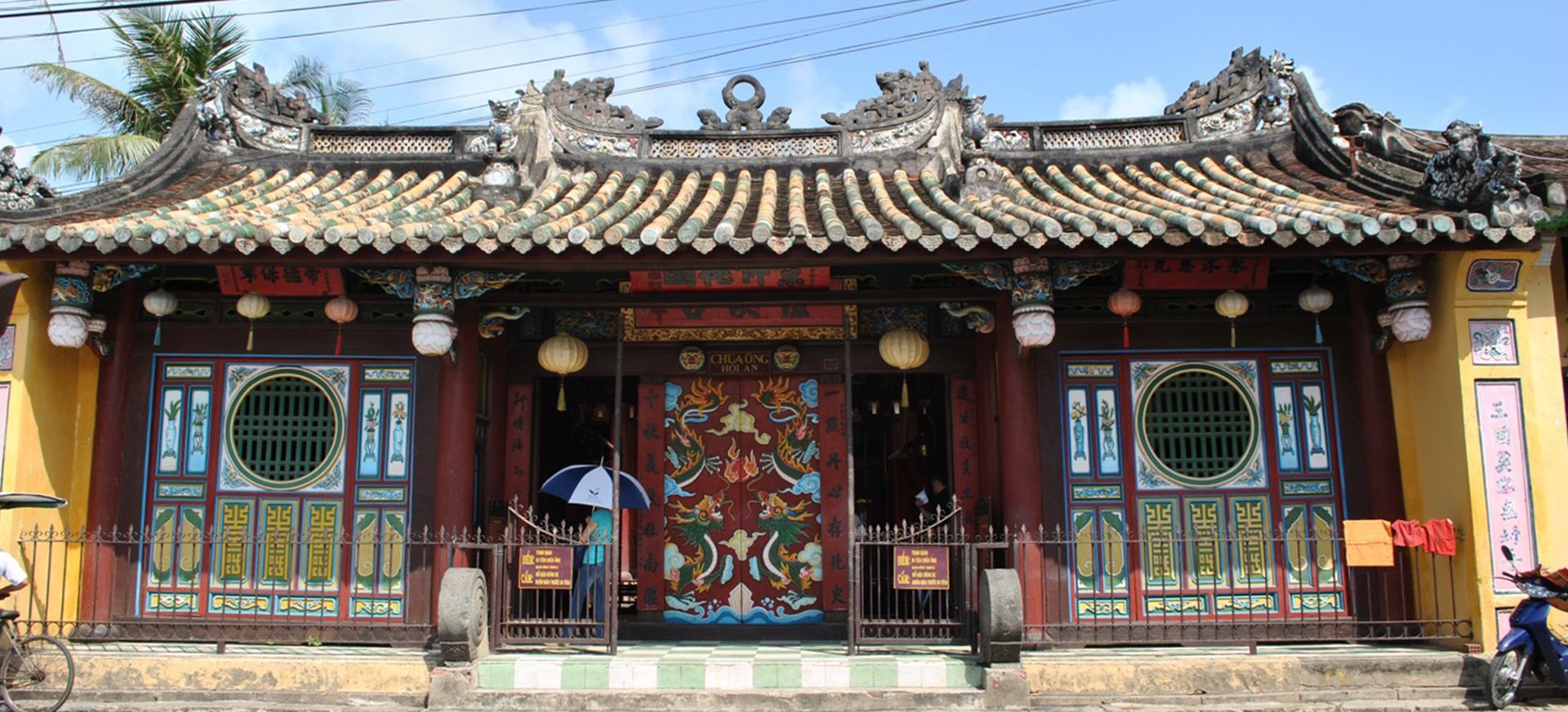
Another striking feature inside Quan Cong Temple is the presence of guardian statues and symbolic figures placed throughout the complex. These sculptures often represent mythical creatures or protective deities believed to safeguard the temple from negative forces.
The combination of statues, carvings, and sacred ornaments gives the temple a powerful spiritual presence. For travelers interested in history and culture, these details offer a fascinating glimpse into the artistic traditions that shaped religious architecture in historic Hoi An.
Stepping inside Quan Cong Temple allows visitors to experience a peaceful spiritual atmosphere while discovering many fascinating cultural details. From sacred statues to historic artifacts, the temple offers several highlights that reflect both religious devotion and artistic craftsmanship.
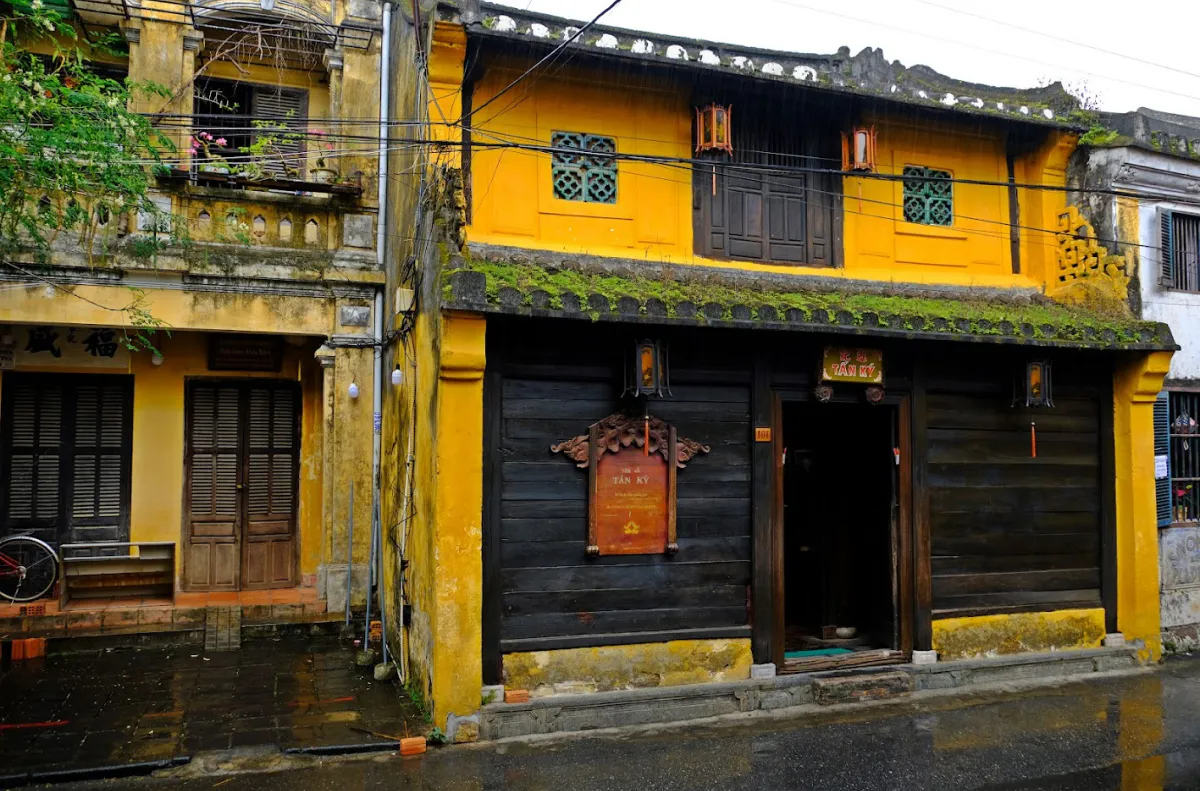
Beyond the temple courtyard, travelers exploring the ancient town will notice many traditional merchant houses that reflect Hoi An’s trading history. One of the most famous examples is Tan Ky Ancient House, a beautifully preserved residence that showcases the blend of Vietnamese, Chinese, and Japanese architectural influences.
One of the most important highlights inside Quan Cong Temple is the statue of Guan Yu, the legendary general to whom the temple is dedicated. The statue typically portrays him with a long beard, a dignified expression, and traditional armor, symbolizing courage, loyalty, and integrity.
This central figure stands in the main sanctuary and is the focus of prayers and offerings made by visitors and local worshippers. Many travelers pause here to admire the craftsmanship of the statue while learning about the historical figure who inspired centuries of devotion.
Another meaningful area inside Quan Cong Temple is the collection of altars arranged throughout the sanctuary. These altars are decorated with incense burners, candles, and offerings brought by worshippers seeking blessings for health, success, and protection.
The quiet rituals performed here reveal the spiritual importance the temple still holds in the community today. Watching the gentle smoke of incense rise through the temple hall gives visitors a deeper understanding of traditional worship practices in Hoi An.
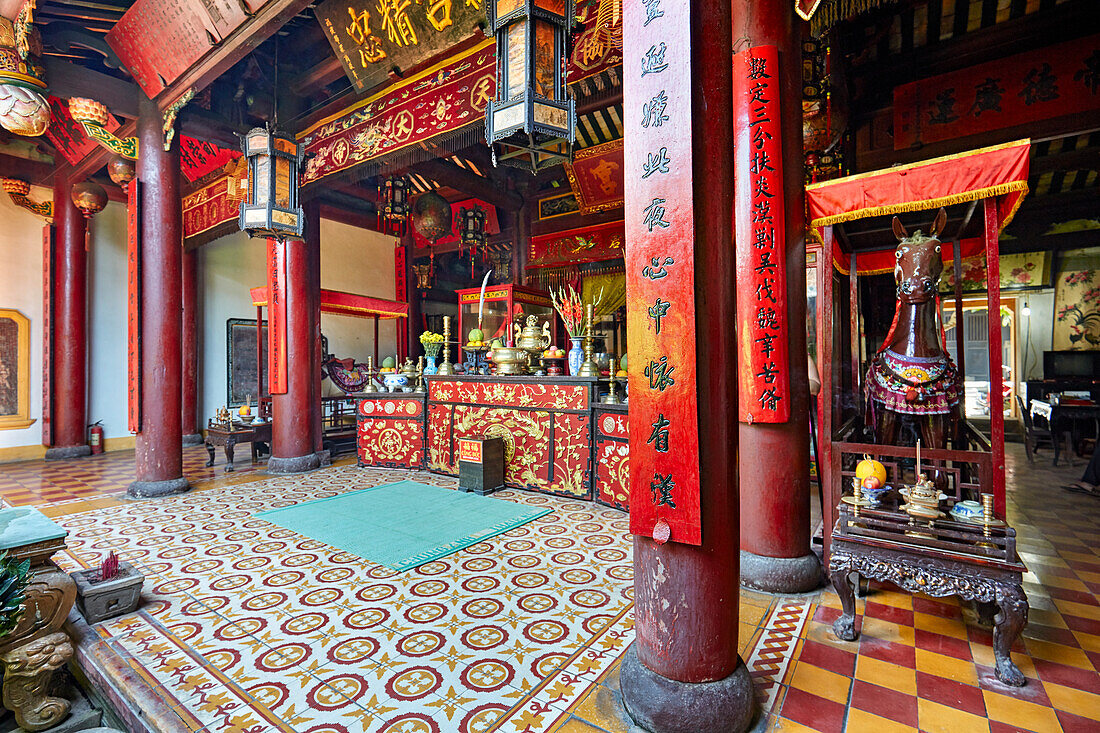
Among the things to see at Quan Cong Temple, visitors can also discover a variety of historical objects and decorative artifacts preserved within the temple complex. Ancient inscriptions, wooden plaques, and ceremonial decorations help tell the story of the temple’s long history.
Exploring these details inside Quan Cong Temple provides valuable insight into the artistic traditions and cultural heritage brought by Chinese communities who once settled in the trading port of Hoi An.
Planning a visit to Quan Cong Temple is easy for travelers exploring the historic streets of Hoi An. Located in the heart of the ancient town, the temple is accessible on foot and can be conveniently combined with several nearby cultural attractions.
Travelers wondering how to visit Quan Cong Temple Hoi An will find that the temple is situated on Tran Phu Street, one of the most historic roads in the old town. This central location makes it easy to include the temple in a walking itinerary through Hoi An’s heritage area.
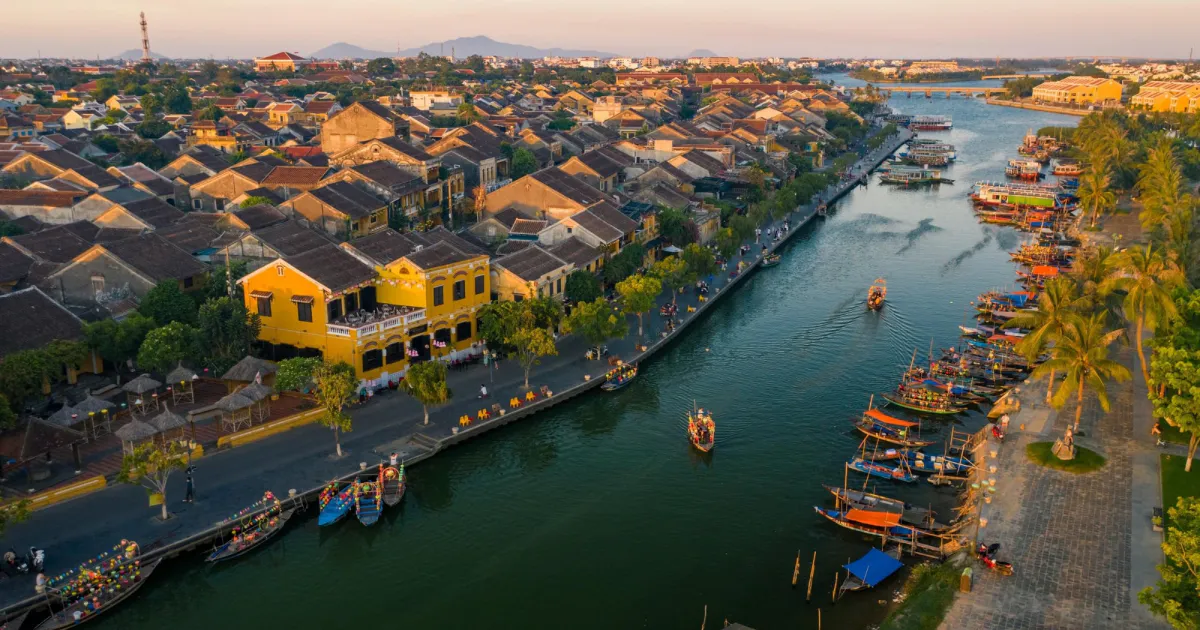
Because Quan Cong Temple lies within the UNESCO-listed ancient town, visitors can explore the surrounding streets filled with lantern shops, traditional houses, and historic assembly halls. Travelers planning their visit can also check a detailed Hoi An itinerary to organize the best walking route through the historic town.
To enter Quan Cong Temple, visitors usually need the official Hoi An Ancient Town entrance ticket. This ticket grants access to several historical attractions within the old town, including temples, old houses, and museums.
The temple is generally open throughout the day, allowing travelers to visit at their own pace while exploring nearby landmarks. Many visitors choose to stop by during the morning or late afternoon when the streets of Hoi An are less crowded.
When visiting Quan Cong Temple, travelers are encouraged to dress respectfully and behave quietly inside the sanctuary. As an active place of worship, the temple remains important to local residents who come to pray and make offerings.
Visitors should also avoid touching sacred objects and should be mindful when taking photographs. Showing respect for the cultural traditions of Quan Cong Temple helps preserve the peaceful atmosphere that makes the site such a meaningful destination.
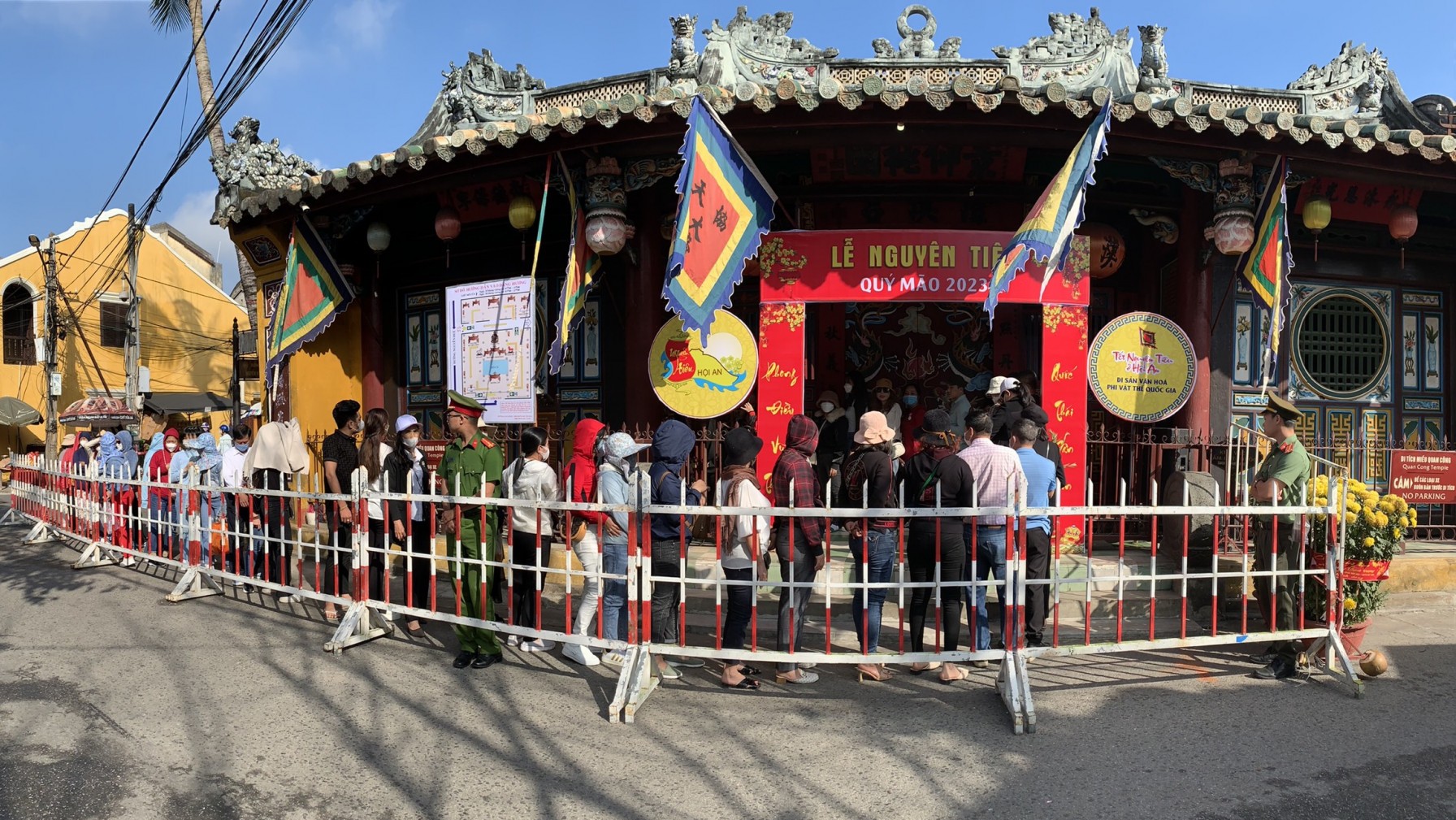
Visiting the temple in the late afternoon is particularly enjoyable, as the ancient town becomes more vibrant when lanterns light up the streets. After exploring the temple, many travelers enjoy walking around the old town and tasting local specialties. If you want to discover popular dishes and local restaurants, you can explore this guide to food in Hoi An for more ideas.
Rich in history and cultural meaning, Quan Cong Temple remains one of the most remarkable spiritual landmarks in Hoi An Ancient Town. The temple reflects the strong influence of Chinese heritage while preserving traditions that have existed for centuries.
For travelers exploring Hoi An, visiting this historic site offers a meaningful glimpse into the town’s multicultural past and religious traditions. To discover more travel inspiration and cultural experiences across Vietnam, visit Simply Vietnam Travel and start planning your journey today.
Contact us through the following channels for a free consultation:
1. What is Quan Cong Temple famous for?
Quan Cong Temple is famous for honoring Guan Yu, a legendary general symbolizing loyalty, integrity, and righteousness.
2. Where is Quan Cong Temple located?
The temple is located on Tran Phu Street in the heart of Hoi An Ancient Town, a UNESCO World Heritage Site.
3. Is Quan Cong Temple worth visiting in Hoi An?
Yes, the temple is a popular cultural landmark known for its historic architecture and spiritual atmosphere.