291/2 Le Van Hien, Da Nang, Vietnam
hi@simplyvietnamtravel.com
+84 793 553 385
Mon – Sun 8.00 – 18.00

 travel
March 2, 2026
travel
March 2, 2026
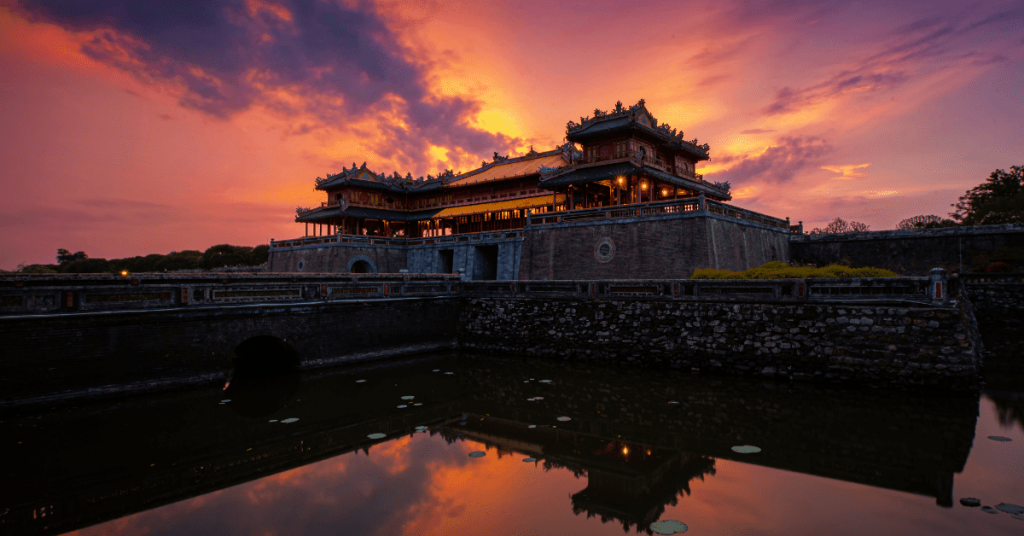
Set along the tranquil banks of the Perfume River, the Hue Imperial Citadel stands as a remarkable testament to Vietnam’s royal heritage and architectural sophistication. Once the seat of imperial power, this historic complex reflects centuries of tradition, symbolism, and political legacy preserved within its ancient walls. Today, it continues to captivate visitors with its grand gates, ceremonial halls, and timeless atmosphere. For travelers seeking deeper cultural insight, Simply Vietnam Travel offers curated experiences and expert guidance to help you explore the site with context, comfort, and authenticity.
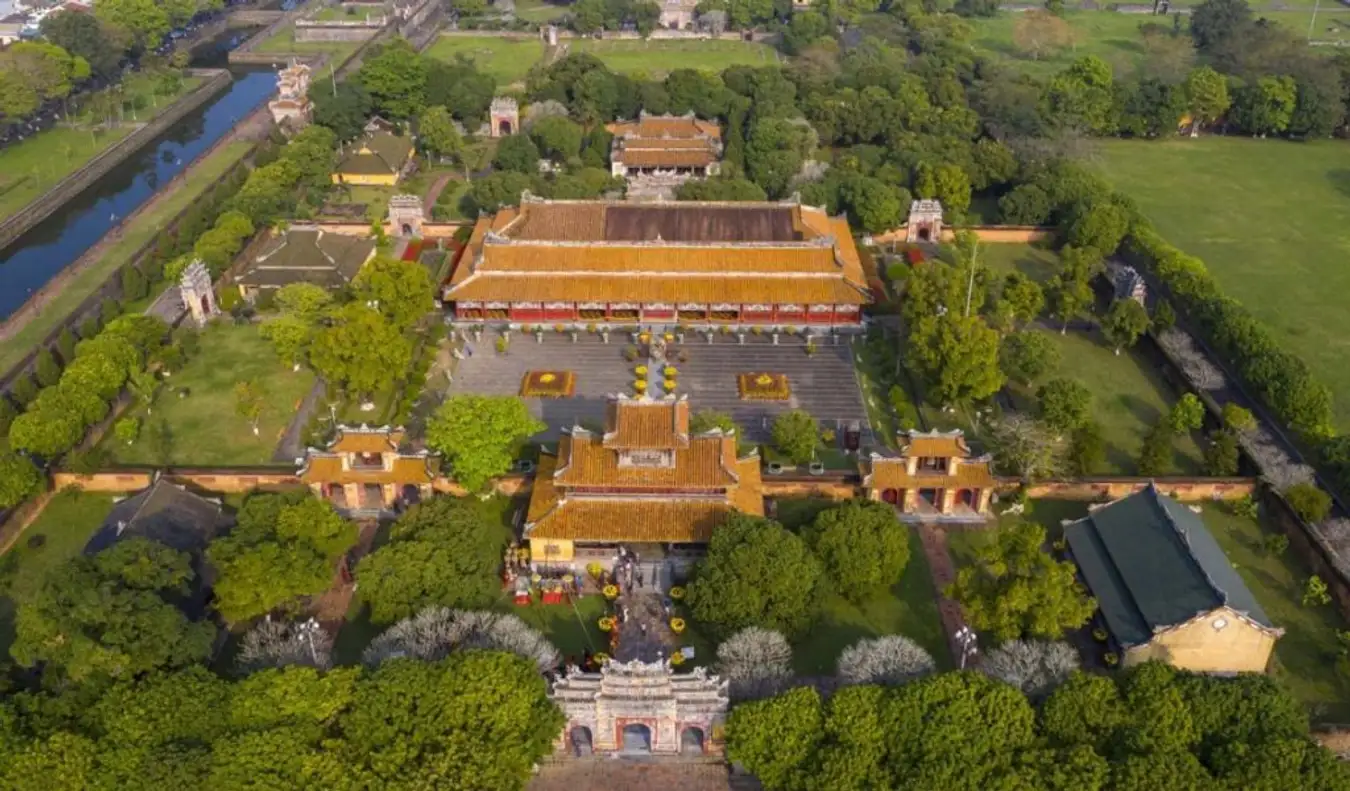
The historical depth of the Hue Imperial Citadel lies not only in its surviving architecture but also in the political vision that shaped its design. Built as the heart of royal authority, the complex reflects how power, philosophy, and urban planning were carefully intertwined to represent imperial legitimacy.
As the Nguyen Dynasty capital Vietnam, Hue became the administrative and ceremonial center of the nation from 1802 to 1945. Within the walls of the Hue Imperial Citadel, emperors governed the country while reinforcing Confucian ideals that emphasized hierarchy and harmony. This royal seat symbolized both national unity and dynastic authority.
Exploring the broader narrative of Hue Imperial City history helps visitors understand how the citadel evolved from a functioning political hub into a globally recognized heritage site. In 1993, UNESCO acknowledged the Hue Imperial Citadel for its outstanding cultural value, highlighting its architectural integrity and historical significance.
In 1993, UNESCO recognized the site as a World Heritage treasure, acknowledging its cultural value and architectural uniqueness within Southeast Asia. For broader historical context and official background information, readers can refer to the UNESCO-listed Complex of Hue Monuments.
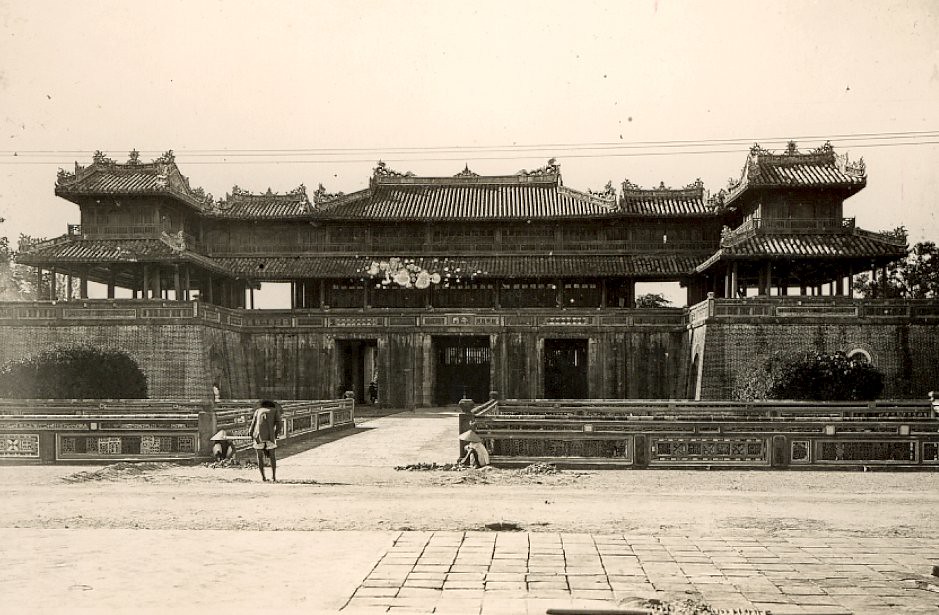
The design of the Hue Imperial Citadel follows a three-layer structure that reflects strict imperial order. The outer Citadel served military and administrative functions, while the Imperial City hosted official ceremonies and court gatherings. At the core stood the Forbidden Purple City, reserved exclusively for the emperor and royal family.
The spatial organization of the Hue Imperial Citadel was influenced by feng shui principles, aligning gates, palaces, and courtyards with natural elements such as the Perfume River and surrounding mountains. Symmetry, axial planning, and symbolic colors reinforced the emperor’s divine authority and the cosmic balance of the realm.
During the 20th century, particularly in the Tet Offensive of 1968, large portions of the Hue Imperial Citadel suffered extensive destruction. Many wooden structures were lost, leaving behind fragments that testify to both past grandeur and historical hardship.
Today, ongoing restoration projects aim to preserve what remains of the Hue Imperial Citadel while reconstructing key landmarks using traditional craftsmanship. These conservation efforts ensure that future generations can continue to witness the cultural and architectural legacy embedded within its walls.
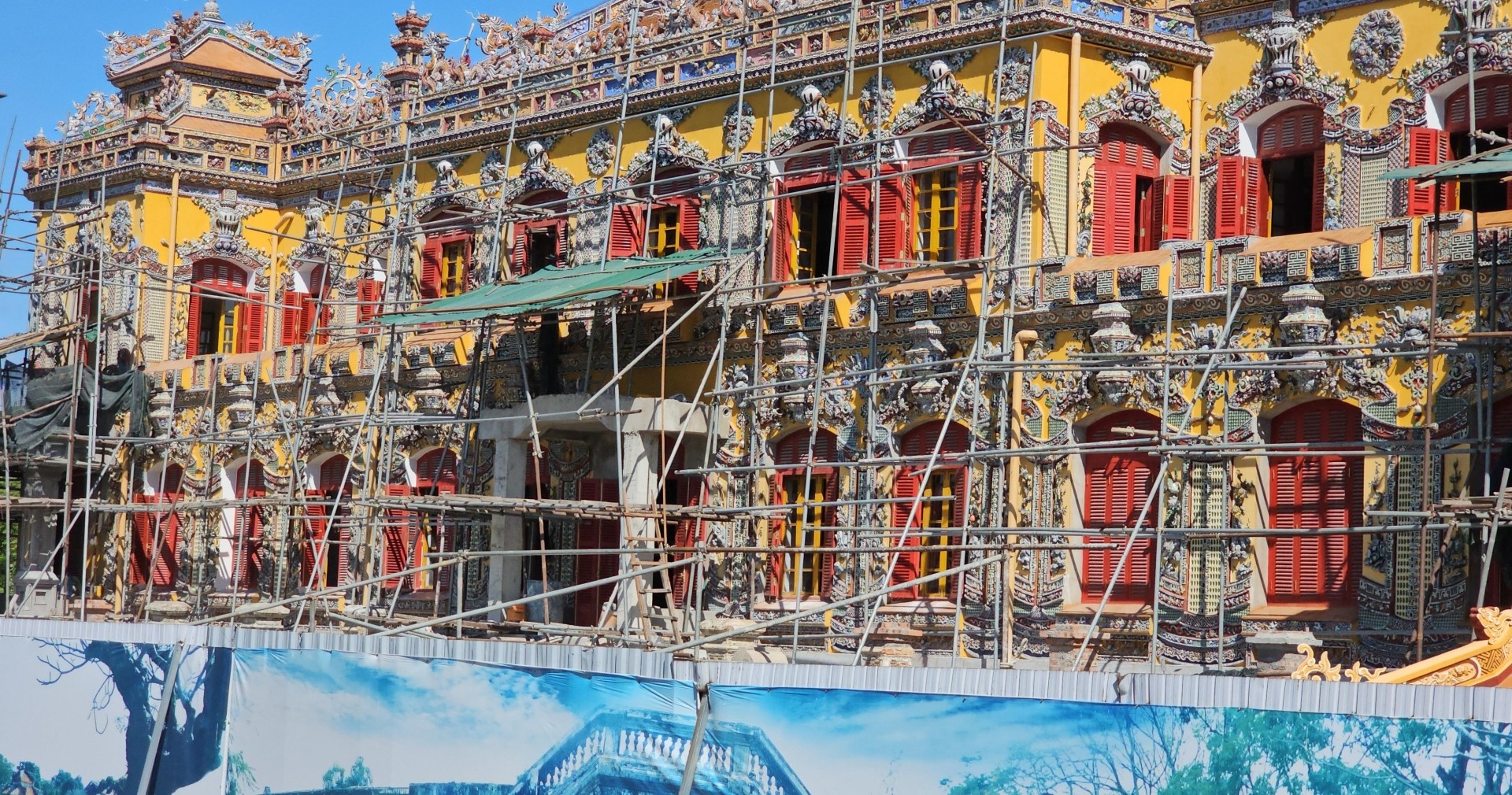
Beyond its historical significance, the Hue Imperial Citadel captivates visitors with monumental gates, ceremonial halls, and sacred courtyards that reveal the grandeur of Vietnam’s former royal court. Walking through the complex offers a deeper appreciation of imperial aesthetics, symbolism, and daily court life.
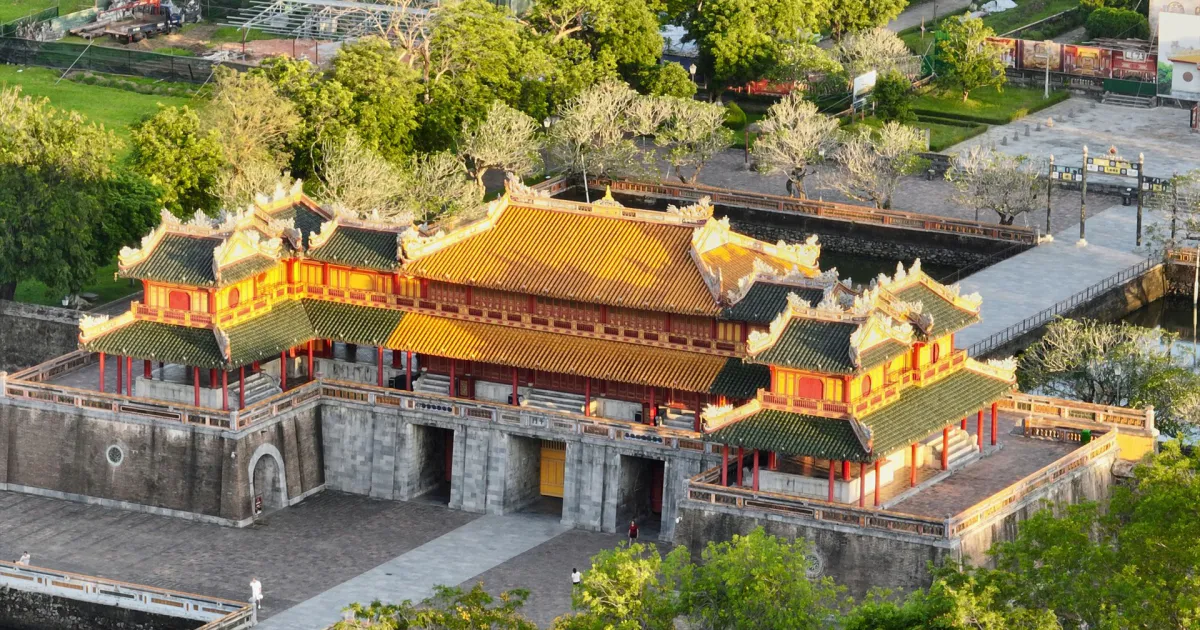
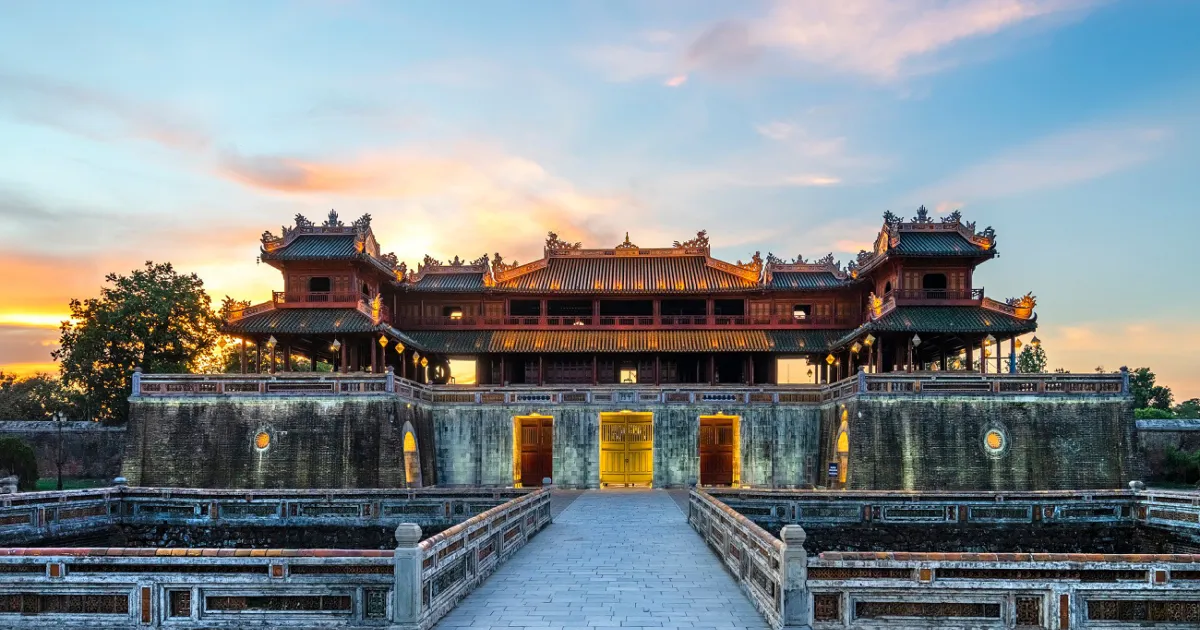
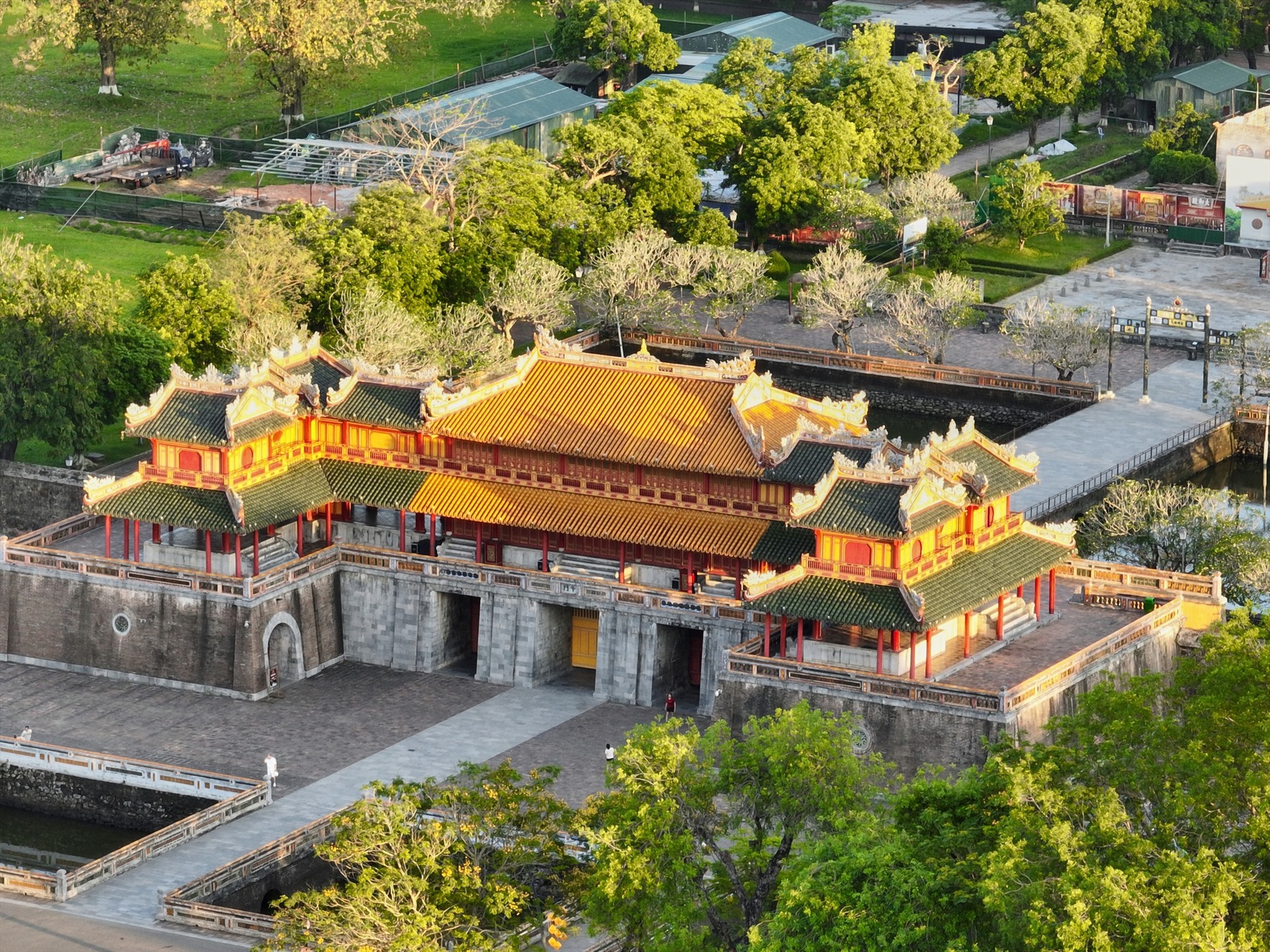
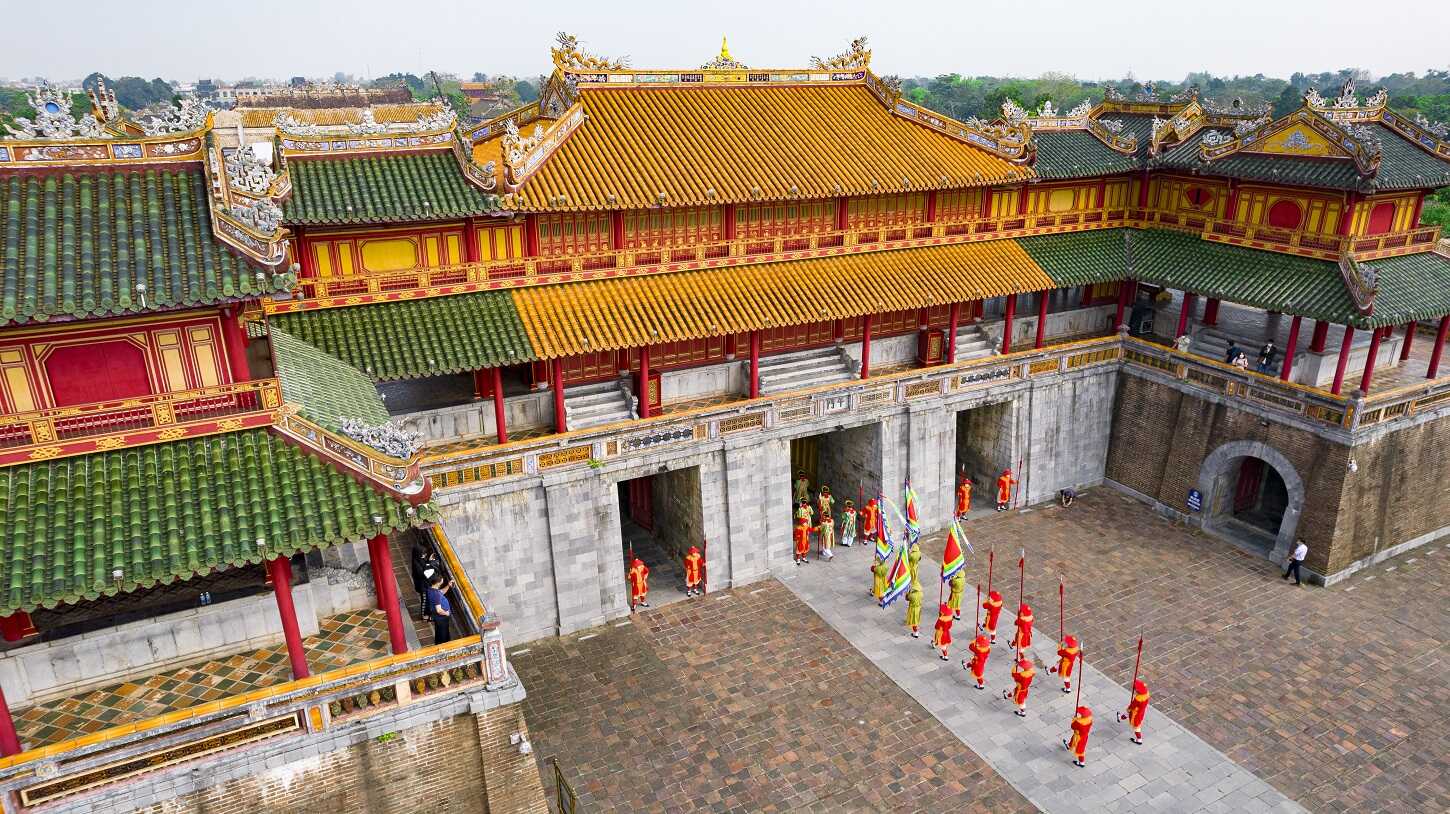
Serving as the main Southern entrance, Ngo Mon Gate stands as one of the most photographed landmarks within the Hue Imperial Citadel. Built in 1833 under Emperor Minh Mang, this grand structure was designed as both a defensive platform and a ceremonial gateway. The Five Phoenix Pavilion above the gate was reserved for the emperor during important national events, reinforcing royal exclusivity and hierarchy.
The symmetry and elevated terrace design demonstrate how architecture within the Hue Imperial Citadel communicated authority before a single word was spoken.
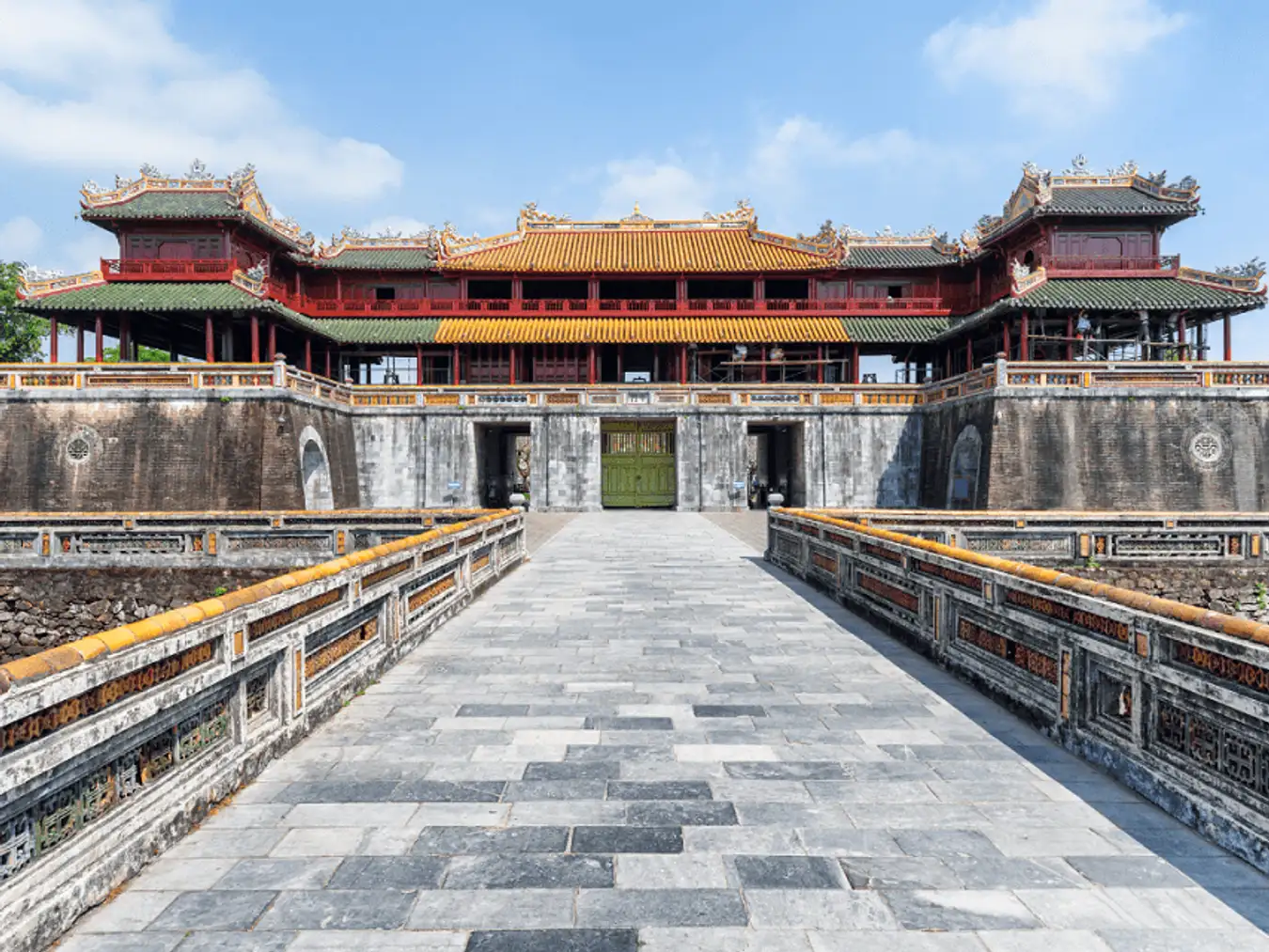
At the ceremonial heart of the Hue Imperial Citadel lies Thai Hoa Palace, the throne hall where coronations and diplomatic receptions took place. The interior is supported by rows of lacquered wooden columns adorned with golden dragons symbols of imperial power and prosperity.
This hall once embodied the political pulse of the Hue Imperial Citadel, where major decisions shaped the nation’s future. Even today, its restored roof tiles and ornate details allow visitors to imagine the grandeur of royal ceremonies held centuries ago.
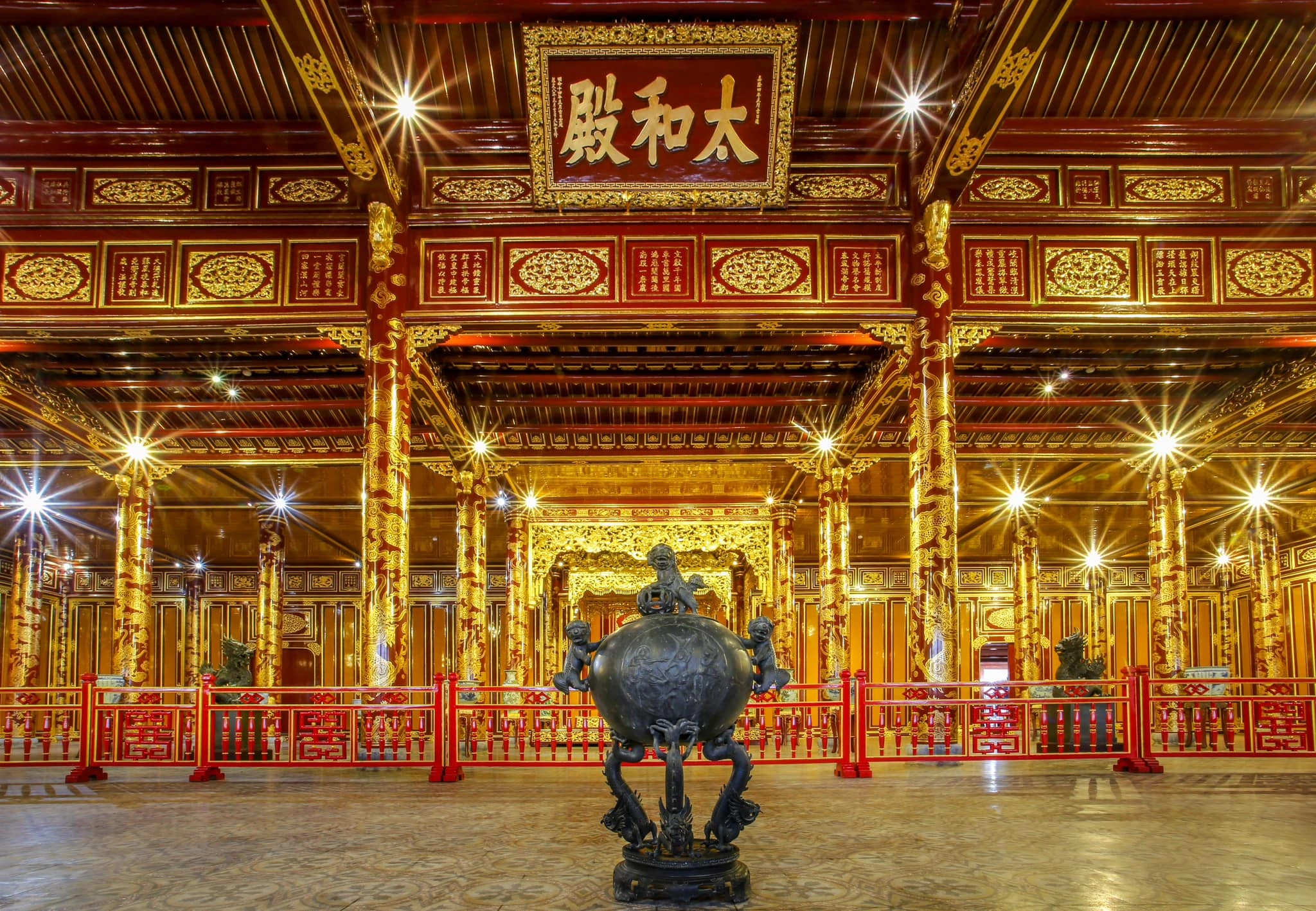
Located at the innermost section, the Forbidden Purple City was once the private residence of the emperor and his family. Although much of it was damaged during wartime, the remaining foundations and reconstructed buildings provide insight into courtly life inside the Hue Imperial Citadel.
Exploring this secluded area remains one of the essential things to do in Hue Imperial Citadel, as it reveals a more intimate side of imperial existence beyond public rituals and official ceremonies.
Scattered throughout the grounds are ancestral temples dedicated to past emperors, along with tranquil courtyards that once hosted scholarly gatherings and royal celebrations. These spiritual spaces highlight the Confucian values that shaped governance within the Hue Imperial Citadel.
The interplay between open courtyards, decorative walls, and ceremonial pathways reflects a deliberate balance between solemnity and splendor, reinforcing the enduring cultural legacy preserved within this royal complex.
To fully appreciate the architectural details and serene courtyards, timing your visit carefully can make a significant difference. Seasonal light, humidity, and rainfall all influence the atmosphere inside the complex. If you are planning your trip, this comprehensive guide on the ideal season to explore Hue provides helpful insights for choosing the right travel window.
Planning ahead ensures a smoother and more rewarding visit to the Hue Imperial Citadel. From ticket details to seasonal considerations, understanding practical information will help you explore the complex comfortably and efficiently.
The complex is typically open daily from early morning until late afternoon, allowing ample time to explore its vast grounds. The official Hue Citadel entrance fee varies depending on ticket type, with discounts available for children and combination passes covering nearby royal tombs.
When visiting the Hue Imperial Citadel, it is advisable to arrive early in the morning to avoid peak tour group hours. Purchasing tickets at the main gate is straightforward, though guided tours can enhance the experience by providing deeper historical context.
The climate in central Vietnam can influence your overall experience. The best time to visit Hue Citadel is generally between February and April, when temperatures are moderate and rainfall is relatively low.
During the dry season, walking through the Hue Imperial Citadel becomes more enjoyable, especially when exploring open courtyards and uncovered pathways. Summer months can be hot and humid, while the rainy season may limit outdoor sightseeing, so checking weather conditions in advance is highly recommended.
Many travelers combine Hue with nearby coastal destinations, especially Da Nang. If you are planning to extend your journey, understanding local safety conditions can help you feel more confident when exploring after dark. This practical guide on is Da Nang safe at night provides useful insights for first-time visitors.
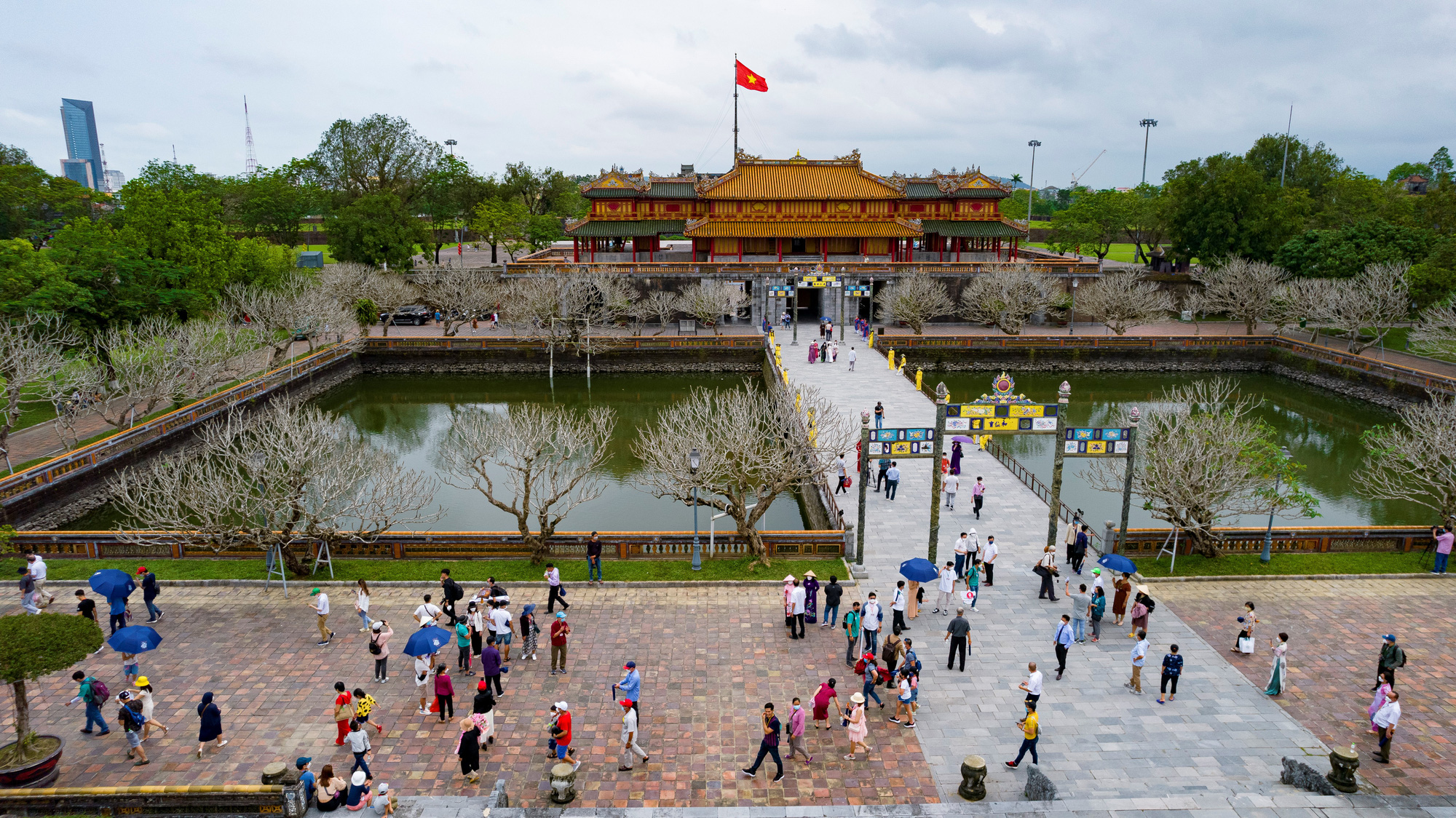
Given the scale of the complex, most visitors spend two to three hours exploring key landmarks within the Hue Imperial Citadel. Starting at Ngo Mon Gate, continue toward Thai Hoa Palace before moving deeper into the Forbidden Purple City and surrounding temples.
Wearing comfortable shoes and bringing water is essential, as distances between structures can be significant. Taking short breaks in shaded courtyards allows travelers to appreciate architectural details without rushing through the Hue Imperial Citadel, ensuring a balanced and immersive visit.
After exploring the complex, many travelers choose to continue their cultural journey through Hue’s culinary scene. From royal-inspired dishes to vibrant street food, discovering local flavors adds another layer to the experience. If you’re wondering what specialties to try, this detailed guide on what to eat in Hue offers helpful recommendations for authentic dining experiences.
The Hue Imperial Citadel remains one of Vietnam’s most remarkable cultural treasures, where architecture, philosophy, and royal legacy converge within a single historic landscape. From monumental gates to serene courtyards, each structure tells a story of dynastic ambition, resilience, and artistic refinement that continues to inspire visitors today.
Exploring the Hue Imperial Citadel is more than a sightseeing experience, it is a journey into the heart of Vietnam’s imperial past. To make the most of your visit, consider traveling with Simply Vietnam Travel for expertly crafted itineraries, knowledgeable local guides, and seamless travel support. Begin planning your cultural adventure today and discover this extraordinary heritage site with deeper insight and confidence.
Contact us through the following channels for a free consultation:
1. How long should I spend exploring the Hue Imperial Citadel?
Most visitors spend around two to three hours exploring the main gates, palaces, and courtyards at a comfortable pace.
2. Is the Hue Imperial Citadel suitable for independent travelers?
Yes, the site is easy to navigate on your own, though guided tours provide deeper historical insight and cultural context.
3. When was the Hue Imperial Citadel recognized by UNESCO?
The complex was designated as a UNESCO World Heritage Site in 1993 due to its historical and architectural significance.