291/2 Le Van Hien, Da Nang, Vietnam
hi@simplyvietnamtravel.com
+84 793 553 385
Mon – Sun 8.00 – 18.00

 travel
March 2, 2026
travel
March 2, 2026
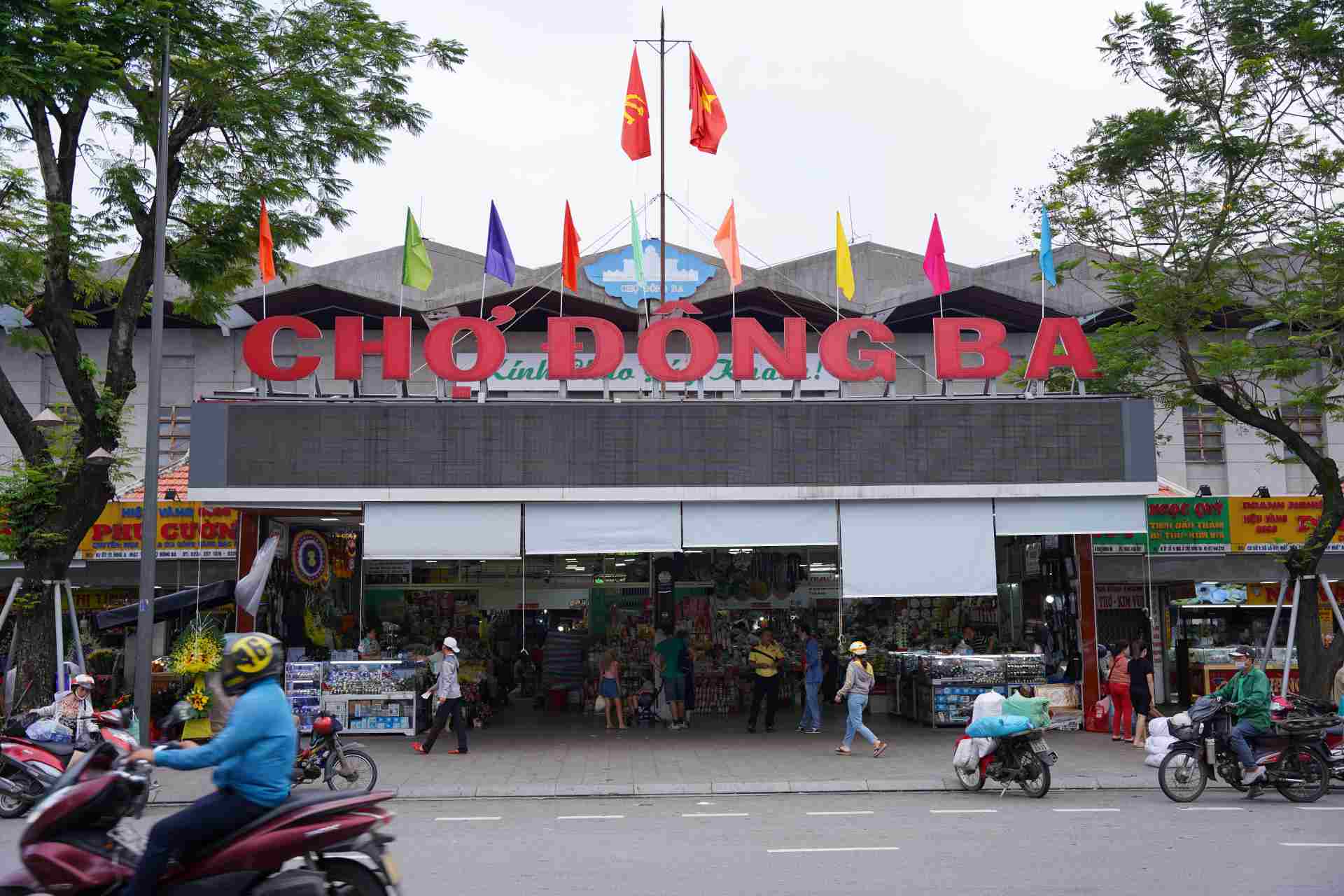
Located in the heart of Hue, Dong Ba Market is a vibrant symbol of local life and culture. This bustling marketplace invites visitors to explore authentic flavors, traditional crafts, and the everyday rhythm of Central Vietnam. From freshly prepared regional dishes to handcrafted souvenirs and textiles, every corner offers a glimpse into the city’s heritage. More than just a shopping stop, it is a place where history, cuisine, and community come together in one dynamic space. For travelers seeking a deeper and more meaningful experience in Hue, Simply Vietnam Travel offers curated itineraries that include immersive market visits, allowing you to discover the true character of this historic city.
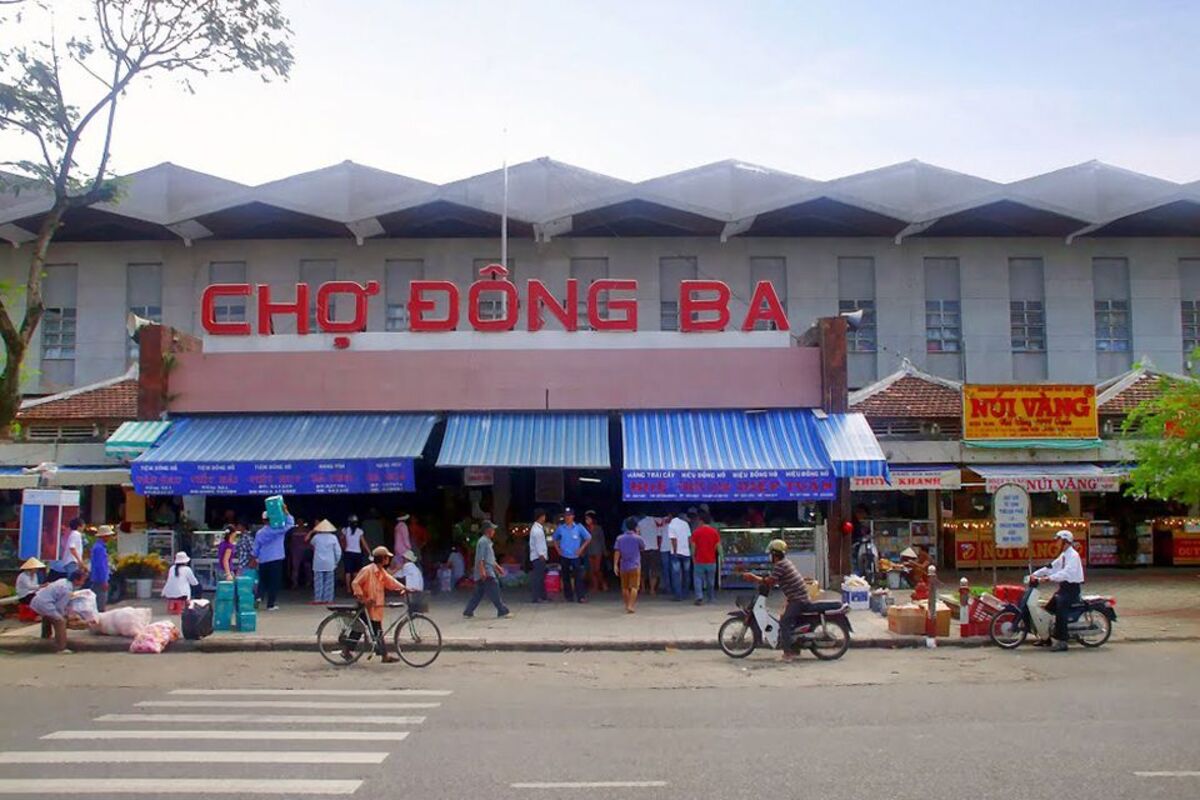
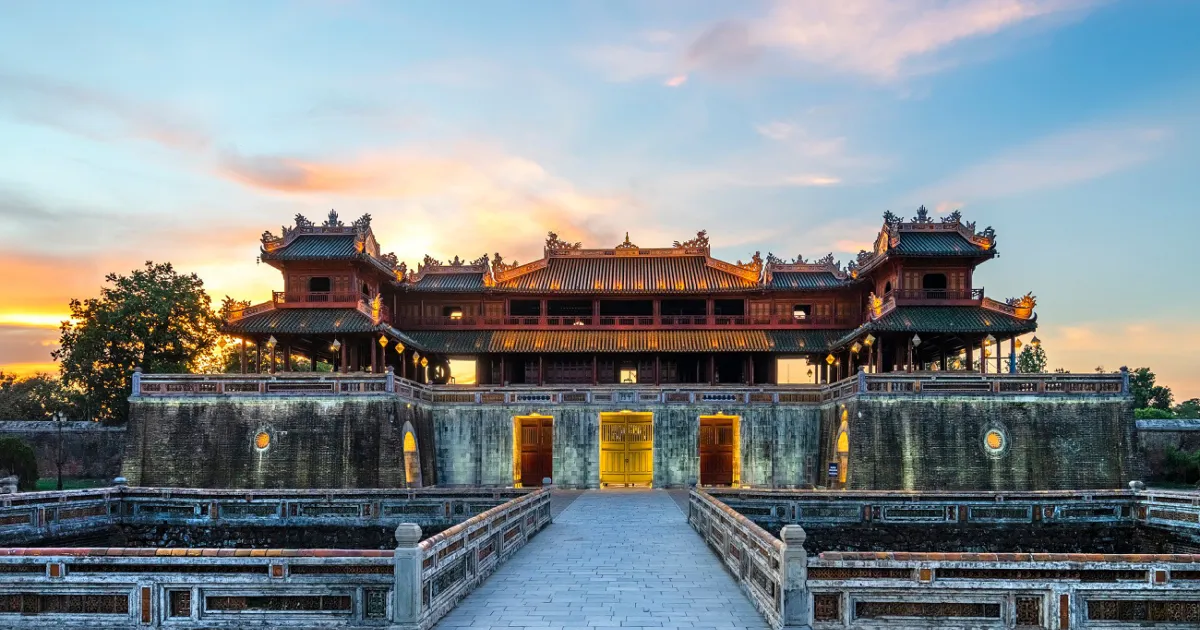
As one of the oldest commercial centers in the former imperial capital, Dong Ba Market represents the living heartbeat of Hue. More than a simple trading place, it reflects centuries of history, cultural exchange, and daily life. Understanding its location and historical roots helps travelers appreciate why it remains such an essential stop in the city.
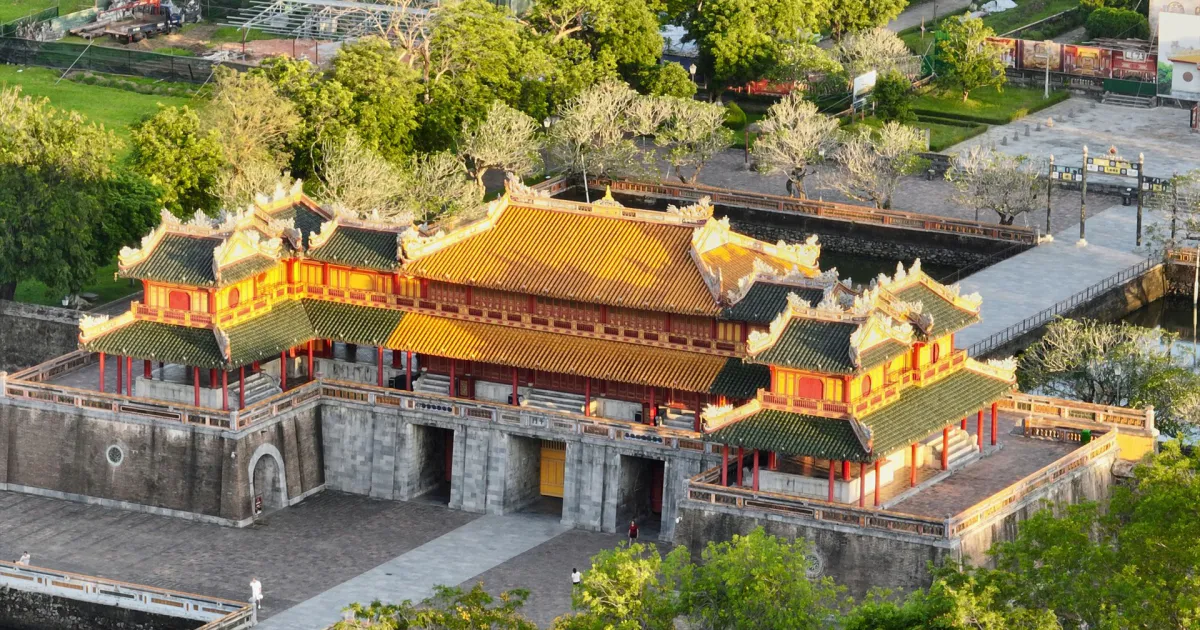
Located along the Northern bank of the Perfume River, Dong Ba Market Hue enjoys a prime position near major landmarks such as the Imperial Citadel and Trang Tien Bridge. Thanks to this central setting, Dong Ba Market has long served as a convenient meeting point for locals and visitors alike. Its accessibility makes it easy to include in any sightseeing plan while exploring Hue’s historic core.
Established during the Nguyen Dynasty in the 19th century, Dong Ba Market originally supported trade within the royal capital. Over time, it was rebuilt and expanded, yet it preserved its traditional layout with separate sections for produce, dried goods, and textiles. Its long-standing presence highlights its importance in the region’s commercial development.
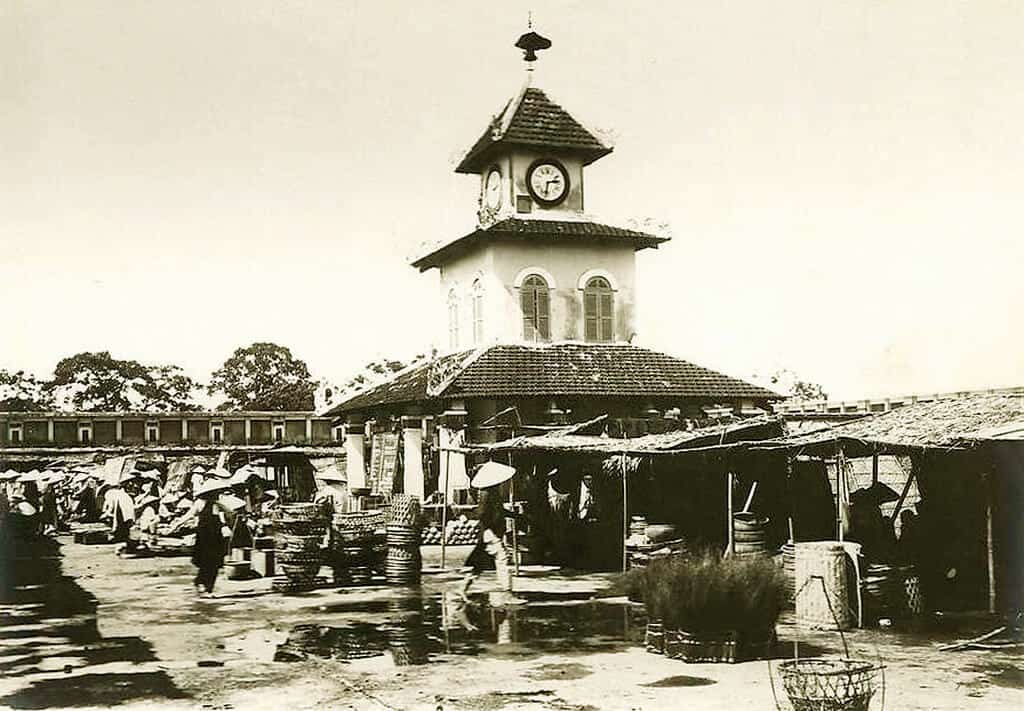
Today, it is widely known as the most iconic traditional market in Hue Vietnam, where daily routines unfold in an authentic setting. At Dong Ba Market, many vendors continue family businesses passed down through generations, maintaining culinary traditions and craft skills. Beyond shopping, it functions as a social hub where community connections remain strong, offering visitors an intimate glimpse into local culture.
Food is the true soul of Dong Ba Market, where visitors can explore the rich culinary identity of Hue in one compact space. From savory noodle soups to delicate steamed cakes and sweet desserts, the variety reflects the refinement of imperial cuisine blended with everyday street flavors. Sampling local dishes here is not just about eating — it is about experiencing tradition through taste.
Food is the true soul of Dong Ba Market, where visitors can explore the rich culinary identity of Hue in one compact space. For travelers who want a broader overview beyond the market, this guide on what to eat in Hue provides additional insight into the city’s must-try dishes and local specialties.
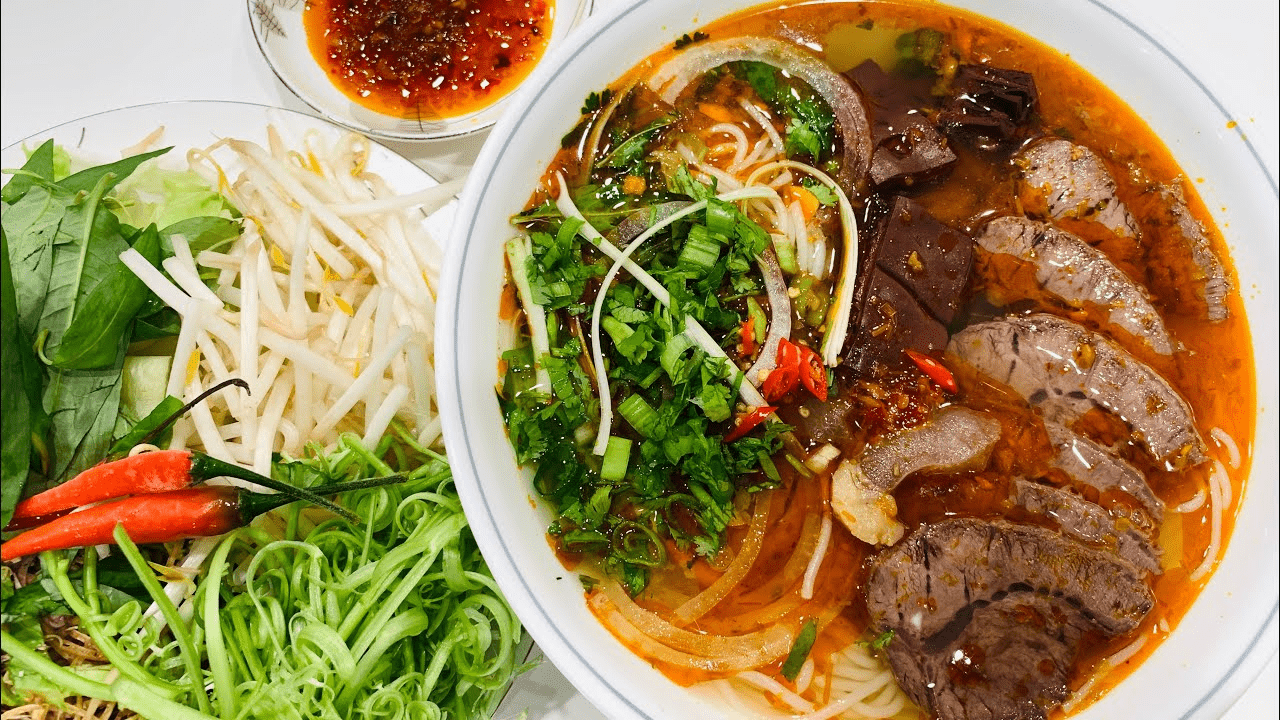
One of the most famous things to eat at Dong Ba Market is Bun Bo Hue, a bold and aromatic beef noodle soup known for its spicy broth and tender slices of meat. At Dong Ba Market, vendors prepare it fresh each morning, serving steaming bowls filled with herbs, chili paste, and thick rice noodles that capture the essence of Central Vietnamese flavor.
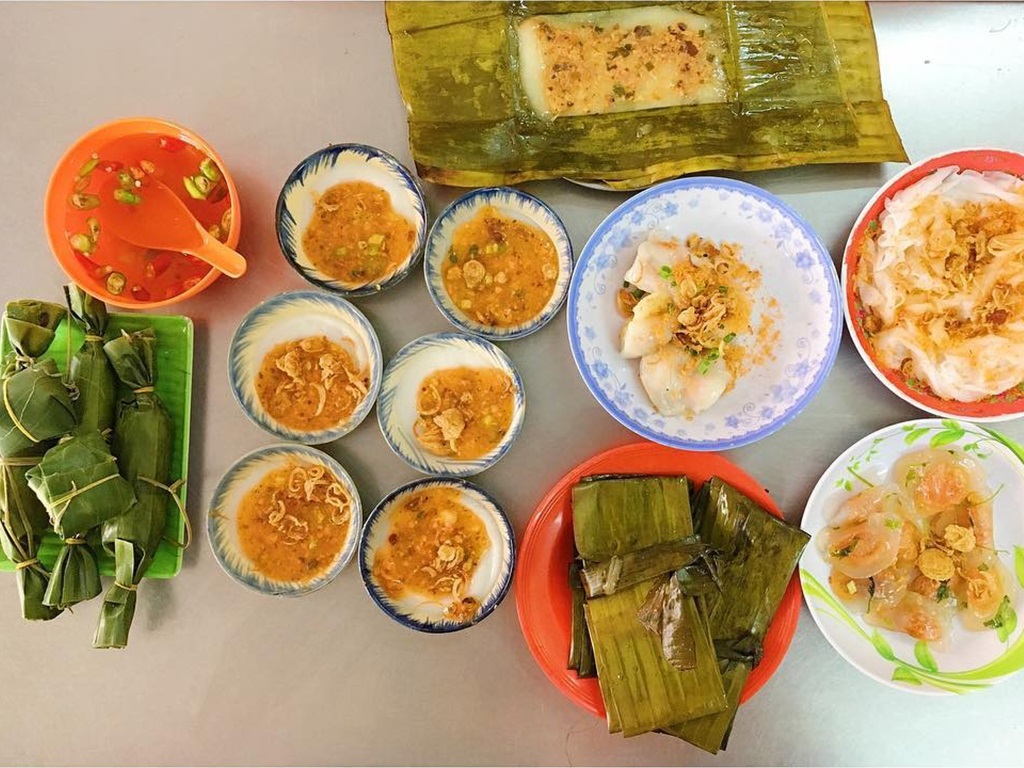
These small steamed rice cakes are delicate yet full of texture. Topped with shrimp flakes, scallion oil, or wrapped in banana leaves, they showcase Hue’s attention to detail in cooking. Visitors exploring Dong Ba Market often stop at these stalls for a light yet satisfying snack that represents traditional home-style recipes.
Because of Hue’s proximity to the coast, seafood options are abundant and freshly delivered daily. Grilled skewers, crispy spring rolls, and savory pancakes add even more variety to the experience. Walking through Dong Ba Market, travelers can enjoy quick bites while observing the lively atmosphere of vendors calling out to customers.
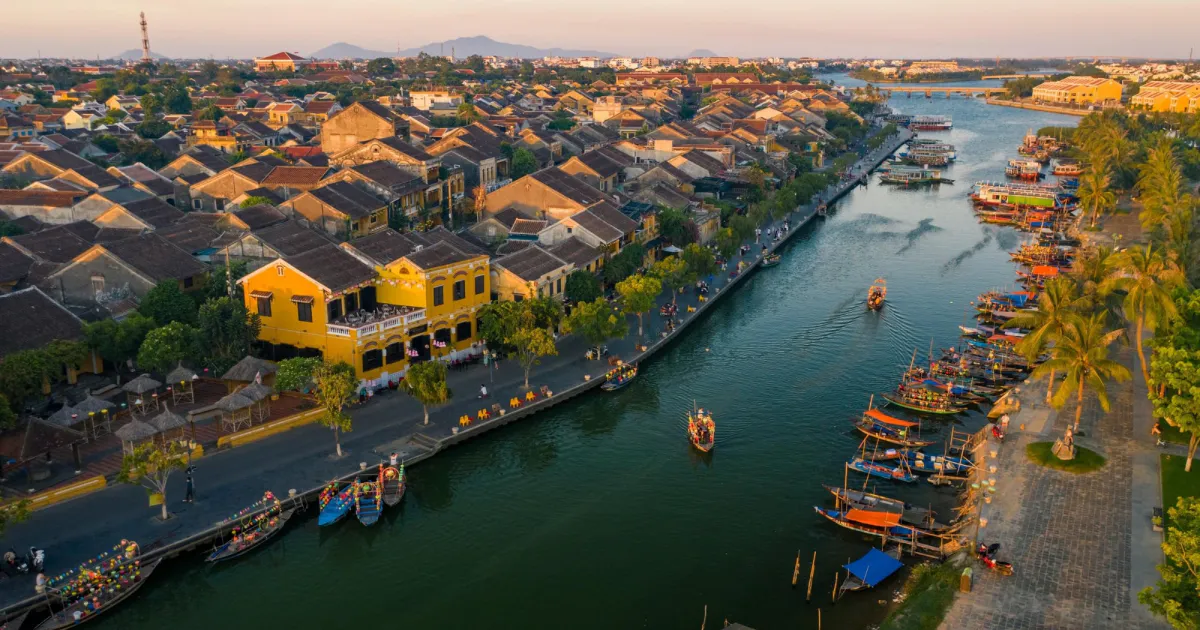
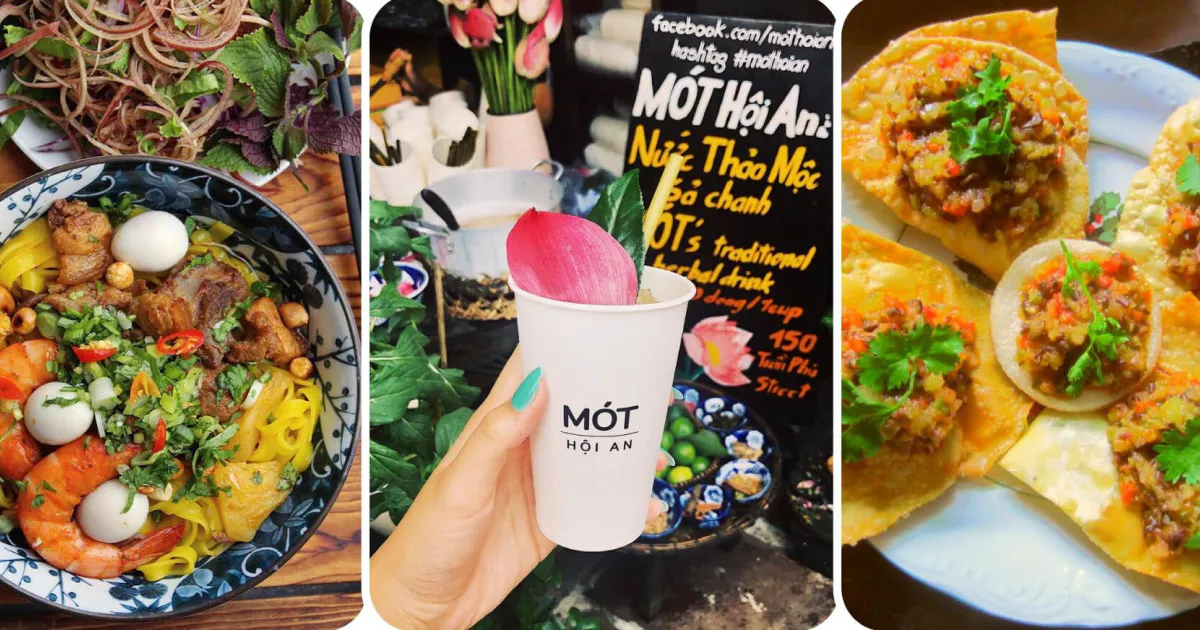
Walking through Dong Ba Market, travelers can enjoy quick bites while observing the lively atmosphere of vendors calling out to customers. For those interested in exploring more Central Vietnamese flavors beyond Hue, this guide to street food in Hoi An offers a fascinating comparison of regional specialties and culinary traditions.
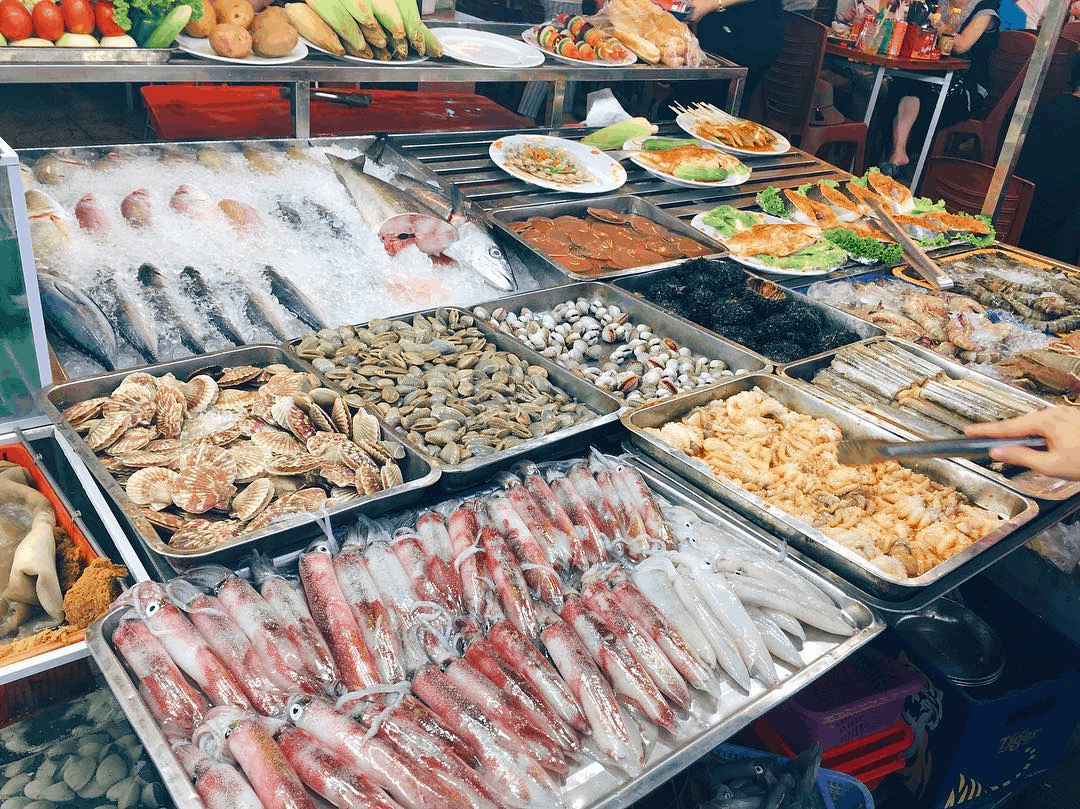
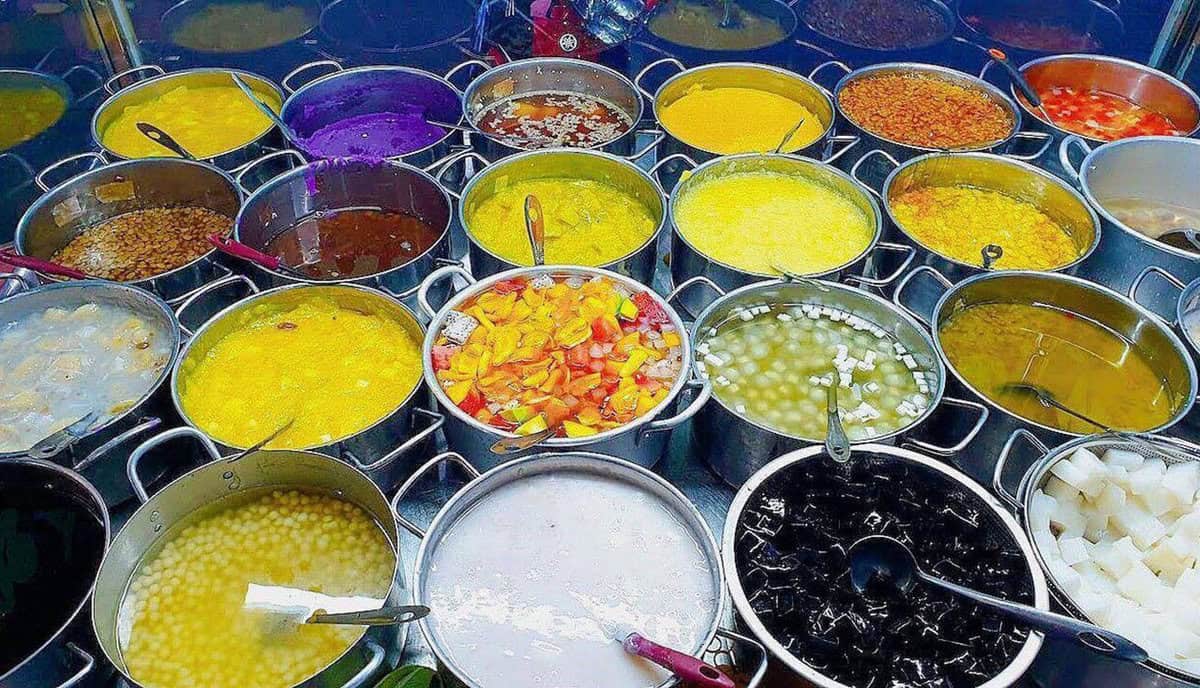
To finish, sweet soups known locally as “che” offer a refreshing contrast to savory dishes. Made with beans, coconut milk, tapioca pearls, and seasonal fruits, these desserts highlight the balance of flavors found throughout Hue cuisine. Many visitors leave Dong Ba Market with a newfound appreciation for the city’s subtle sweetness and culinary elegance.
Beyond its food scene, Dong Ba Market is also a rewarding place to shop for authentic local products. From traditional clothing to edible specialties, the variety reflects Hue’s craftsmanship and culinary heritage. Exploring the stalls allows visitors to discover meaningful souvenirs that carry cultural value rather than mass-produced items.
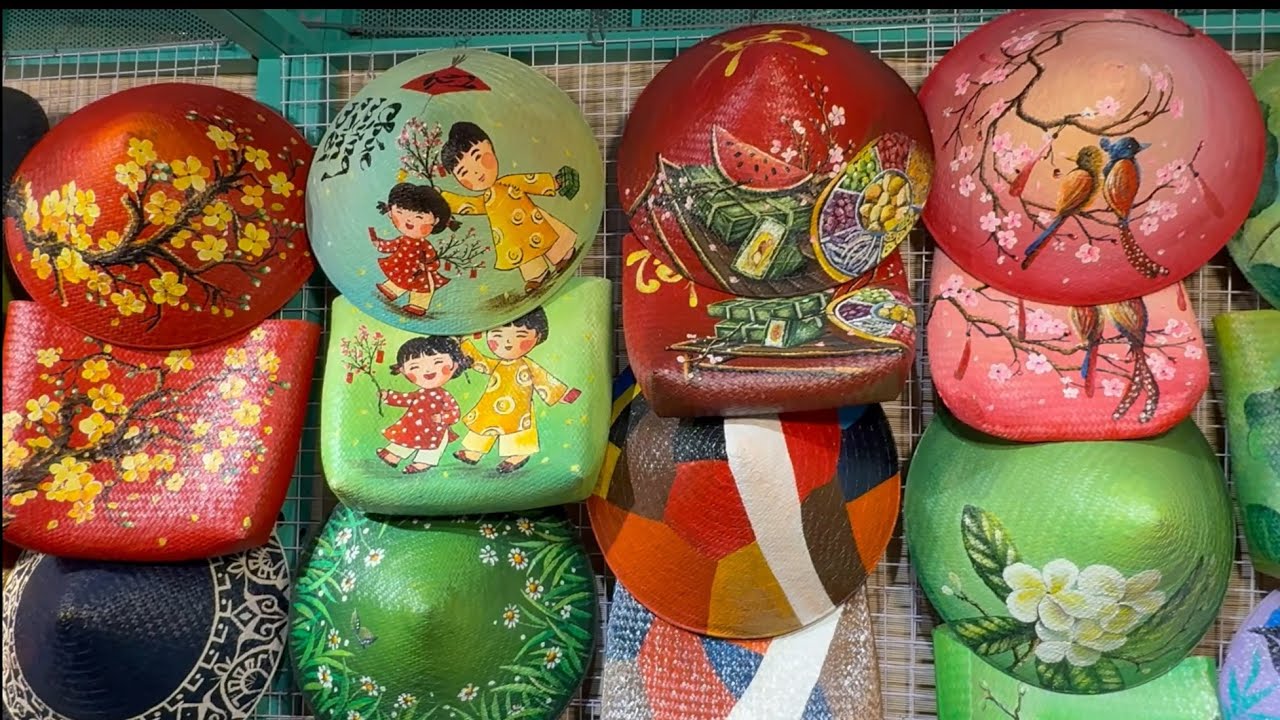
One of the most recognizable souvenirs is the elegant conical hat, carefully handcrafted from palm leaves and bamboo frames. When browsing what to buy at Dong Ba Market, many travelers choose this lightweight symbol of Vietnam as a practical yet iconic keepsake. At Dong Ba Market, different designs and sizes are available, including decorative versions for display.
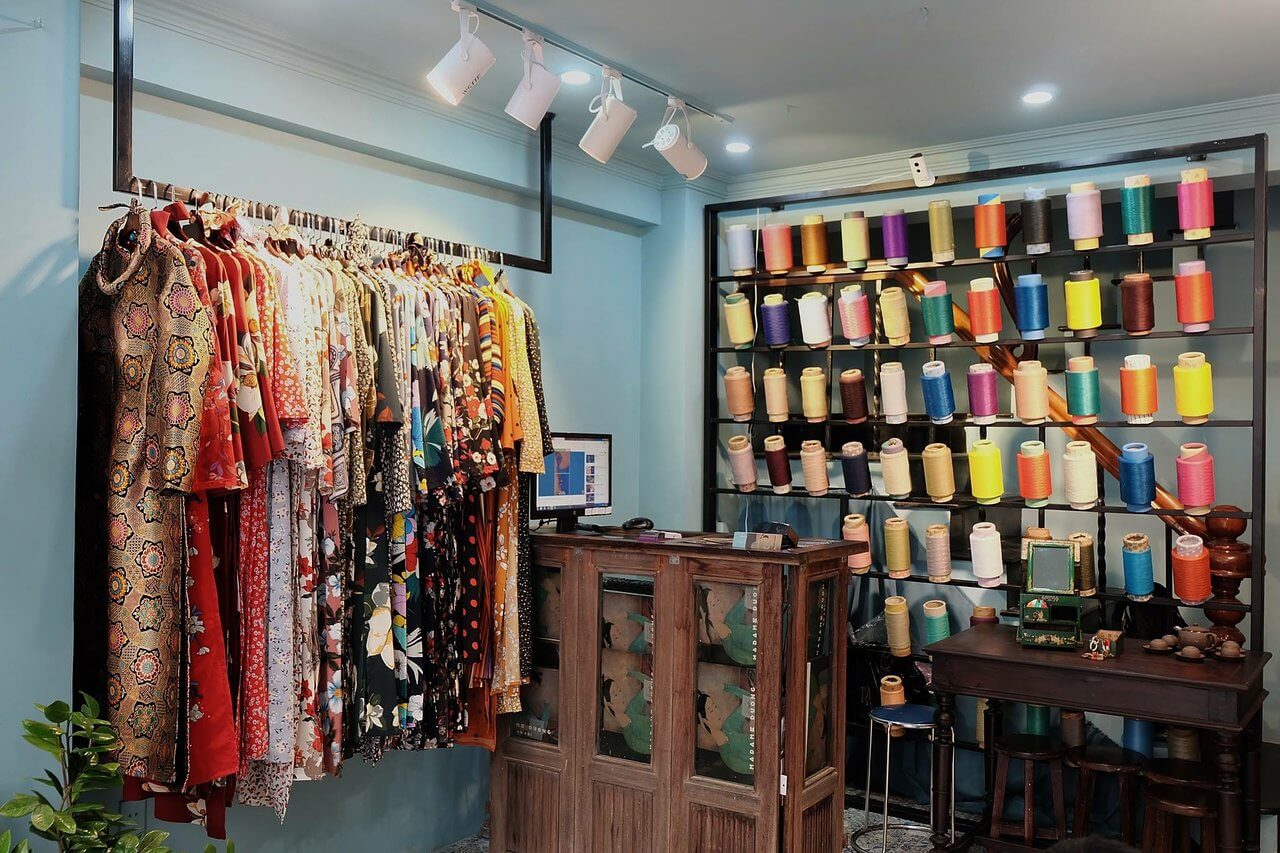
Hue is famous for its refined sense of style, and beautifully tailored Ao Dai dresses are often displayed in fabric sections throughout the market. Visitors walking through Dong Ba Market can also find silk scarves, embroidered garments, and locally produced textiles that reflect the city’s imperial heritage.
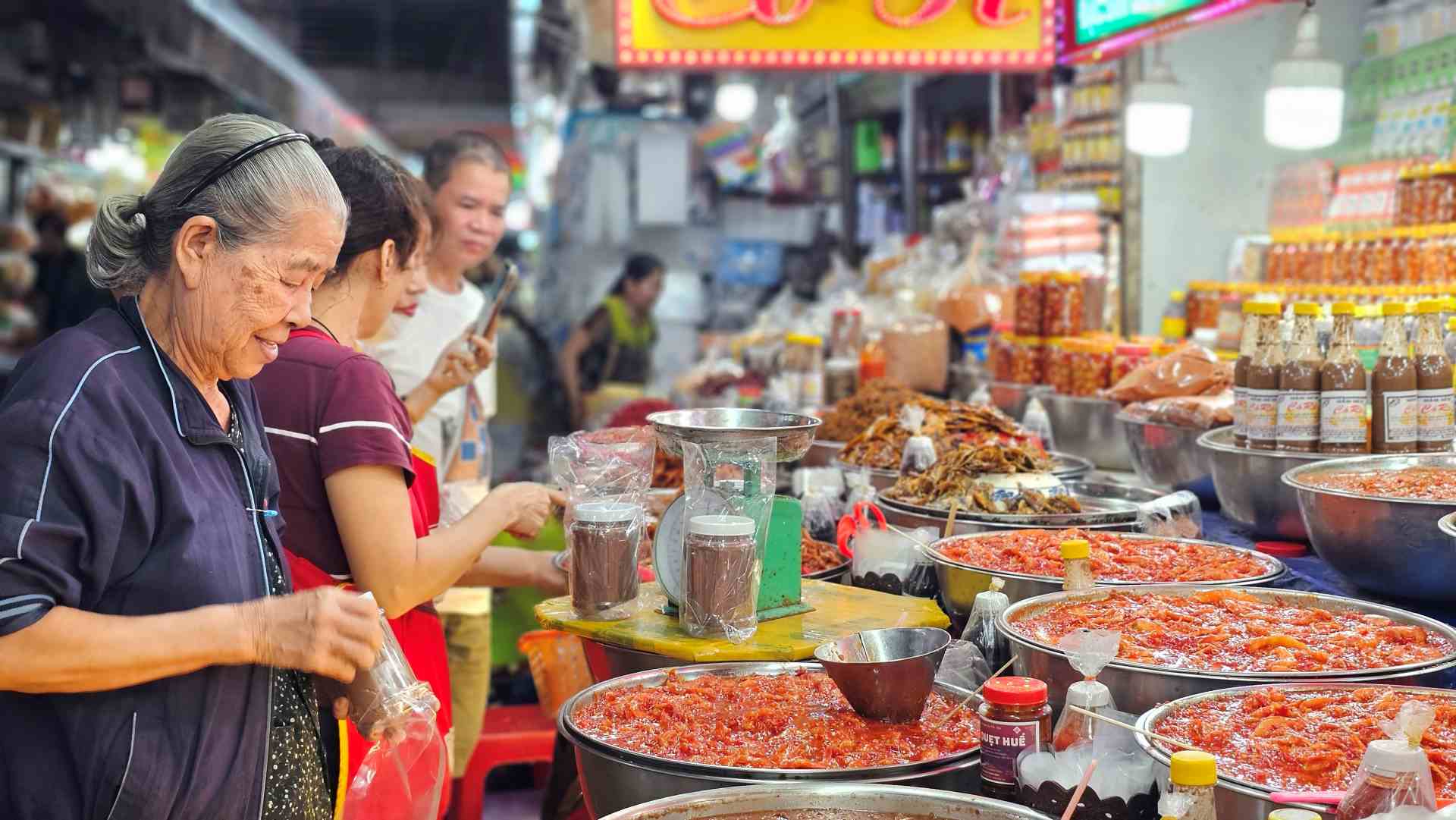
Because of its strong connection to regional trade, dried shrimp, fish sauce, sesame candies, and fermented delicacies are widely available. Shopping at Dong Ba Market offers an opportunity to bring home flavors of Central Vietnam that are difficult to find elsewhere.
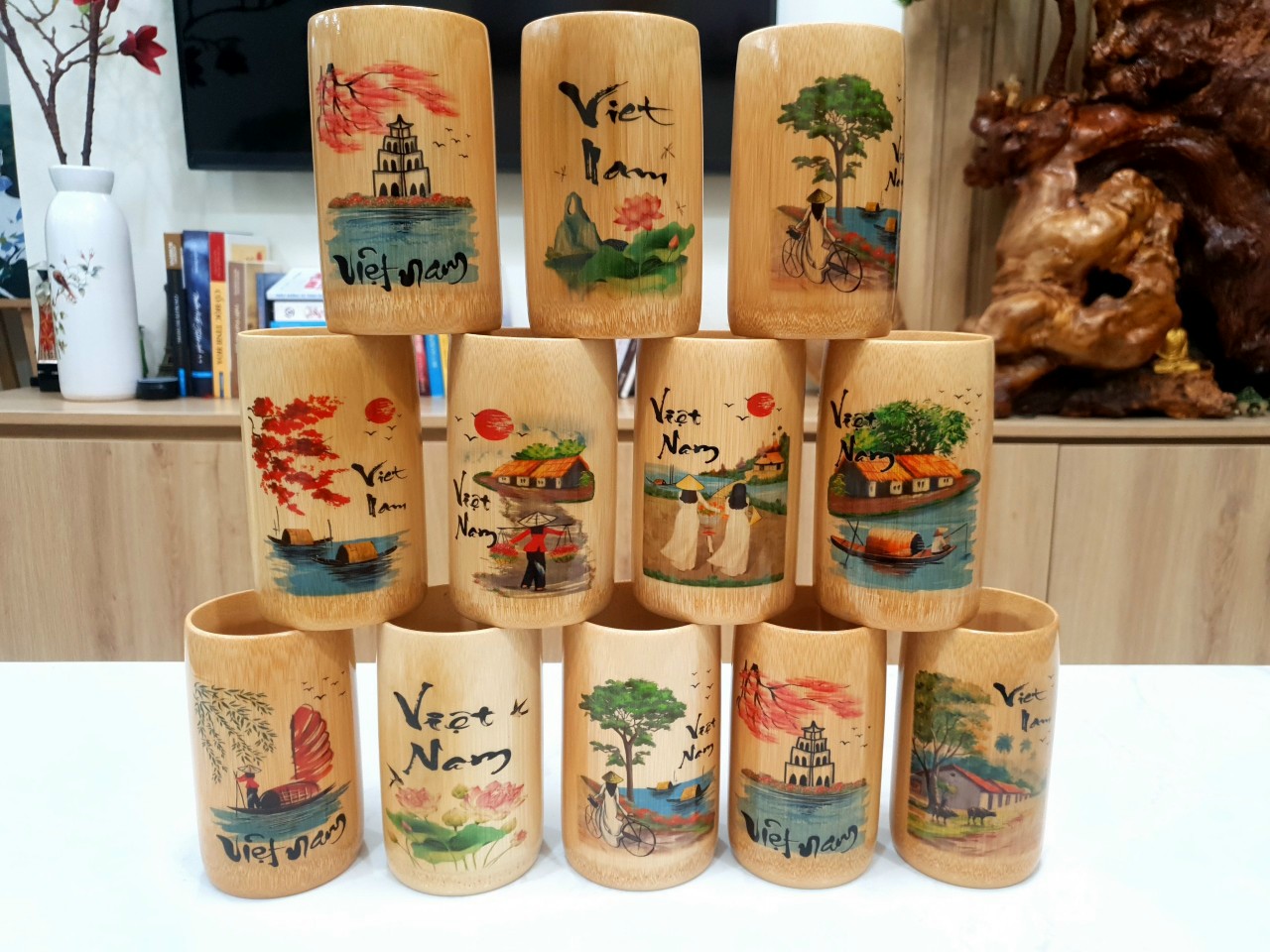
Handmade bamboo items, ceramics, and small decorative crafts add charm to the shopping experience. Many stalls inside Dong Ba Market are family-run businesses, preserving artisanal skills passed down through generations. Choosing these products not only supports local livelihoods but also ensures a more authentic travel memory.
Planning your visit to Dong Ba Market at the right time can significantly enhance your experience. Knowing when to go and how to navigate the busy aisles will help you enjoy the market comfortably while making the most of its food and shopping opportunities.
Early morning is considered the most vibrant period, as local residents arrive to buy fresh produce and breakfast stalls operate at full capacity. Visiting Dong Ba Market between 7:00 AM and 9:00 AM allows travelers to witness authentic daily routines and enjoy freshly prepared dishes before the midday heat.
In general, Dong Ba Market opening hours start around 5:00 AM and continue until approximately 6:00 PM. While some food vendors close earlier, dry goods and souvenir stalls remain open throughout the day. Checking the timing in advance ensures you can plan your visit without rushing.
Situated near central landmarks, Dong Ba Market is easily accessible by taxi, motorbike, or bicycle. Many hotels in Hue are within short driving distance, and ride-hailing services are widely available. Walking is also possible if you are staying near the Perfume River area.
Bargaining is common practice, especially for non-food items. When shopping at Dong Ba Market, a polite smile and friendly negotiation often lead to reasonable prices. Carrying small cash notes is recommended, as many vendors do not accept card payments. Keeping personal belongings secure is also advisable during busy hours.
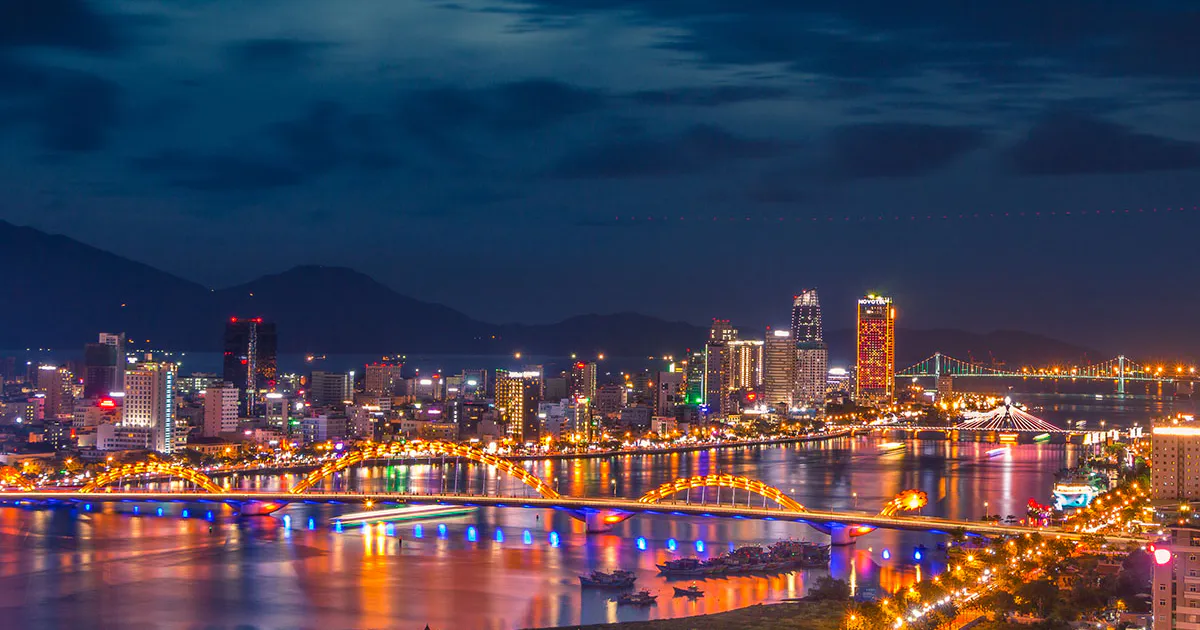
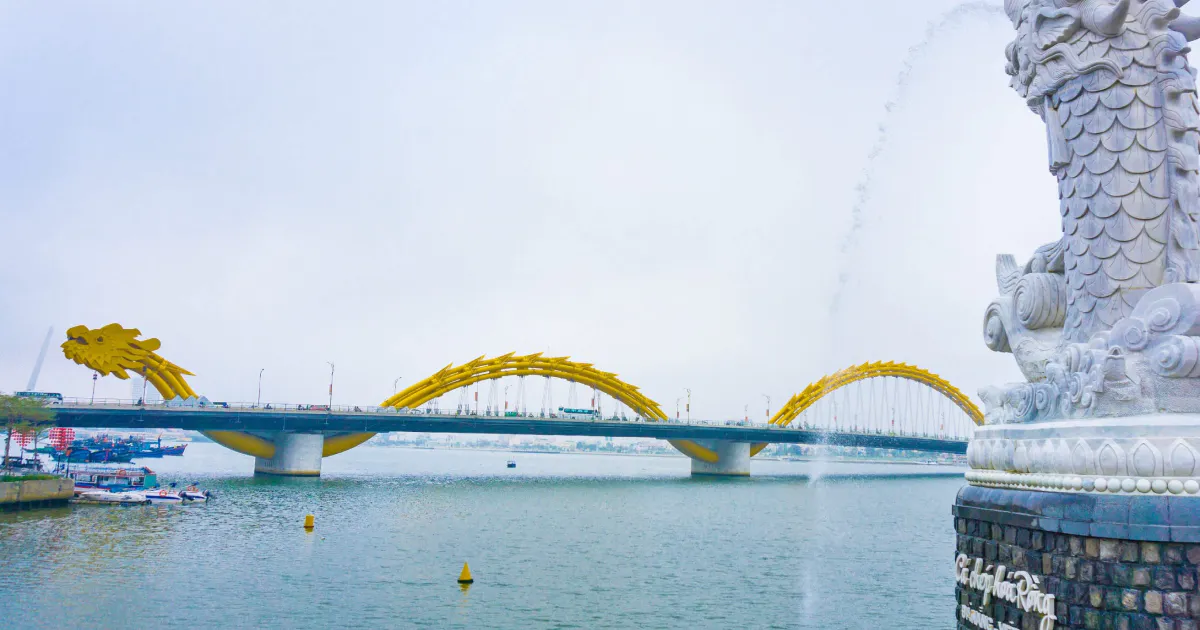
For travelers continuing their journey through Central Vietnam, iconic landmarks such as Dragon Bridge in Da Nang provide a modern contrast to Hue’s imperial heritage, creating a more well-rounded cultural experience across the region.
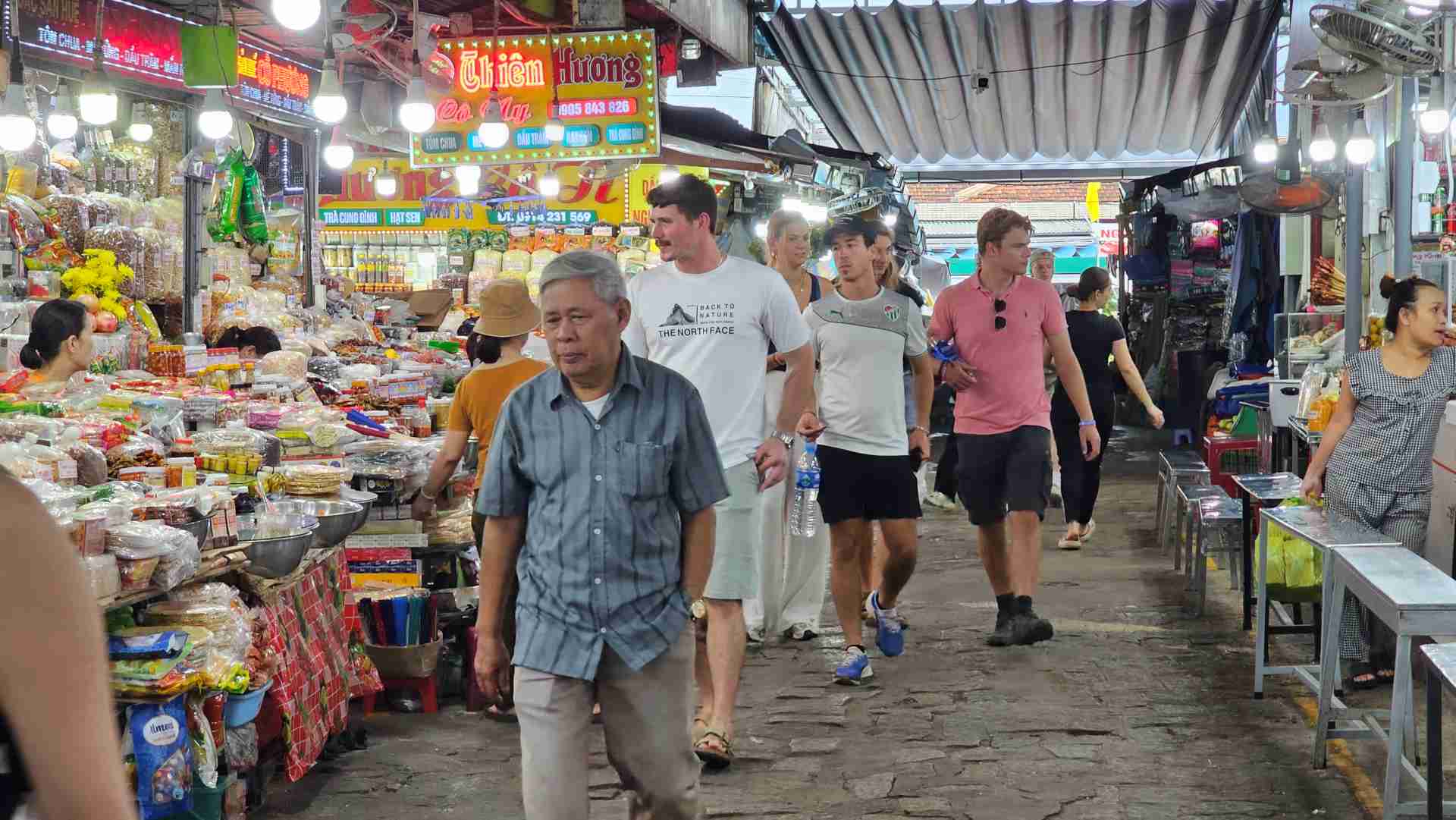
A visit to Dong Ba Market is more than a shopping stop — it is an immersive cultural experience that captures the flavors, traditions, and everyday rhythm of Hue. From early morning noodle stalls to vibrant textile counters and handcrafted souvenirs, every corner tells a story shaped by generations of local life. Whether you come for authentic cuisine, meaningful gifts, or simply to observe the dynamic atmosphere, this historic marketplace offers a genuine connection to Central Vietnam’s heritage.
If you are planning your journey to Hue, let Simply Vietnam Travel design a personalized itinerary that includes guided market visits, culinary discoveries, and cultural highlights. Start exploring the heart of the city today and experience Hue beyond the ordinary.
Contact us through the following channels for a free consultation:
1. What is the best time of day to visit Dong Ba Market?
Early morning is ideal for experiencing fresh food stalls and the most vibrant local atmosphere before it becomes crowded.
2. Is bargaining acceptable when shopping at Dong Ba Market?
Yes, polite bargaining is common for non-food items, especially souvenirs and textiles.
3. How much time should I spend exploring Dong Ba Market?
Most visitors spend between one and two hours to enjoy the food, browse the stalls, and explore the surroundings comfortably.