291/2 Le Van Hien, Da Nang, Vietnam
hi@simplyvietnamtravel.com
+84 793 553 385
Mon – Sun 8.00 – 18.00

 travel
April 3, 2026
travel
April 3, 2026
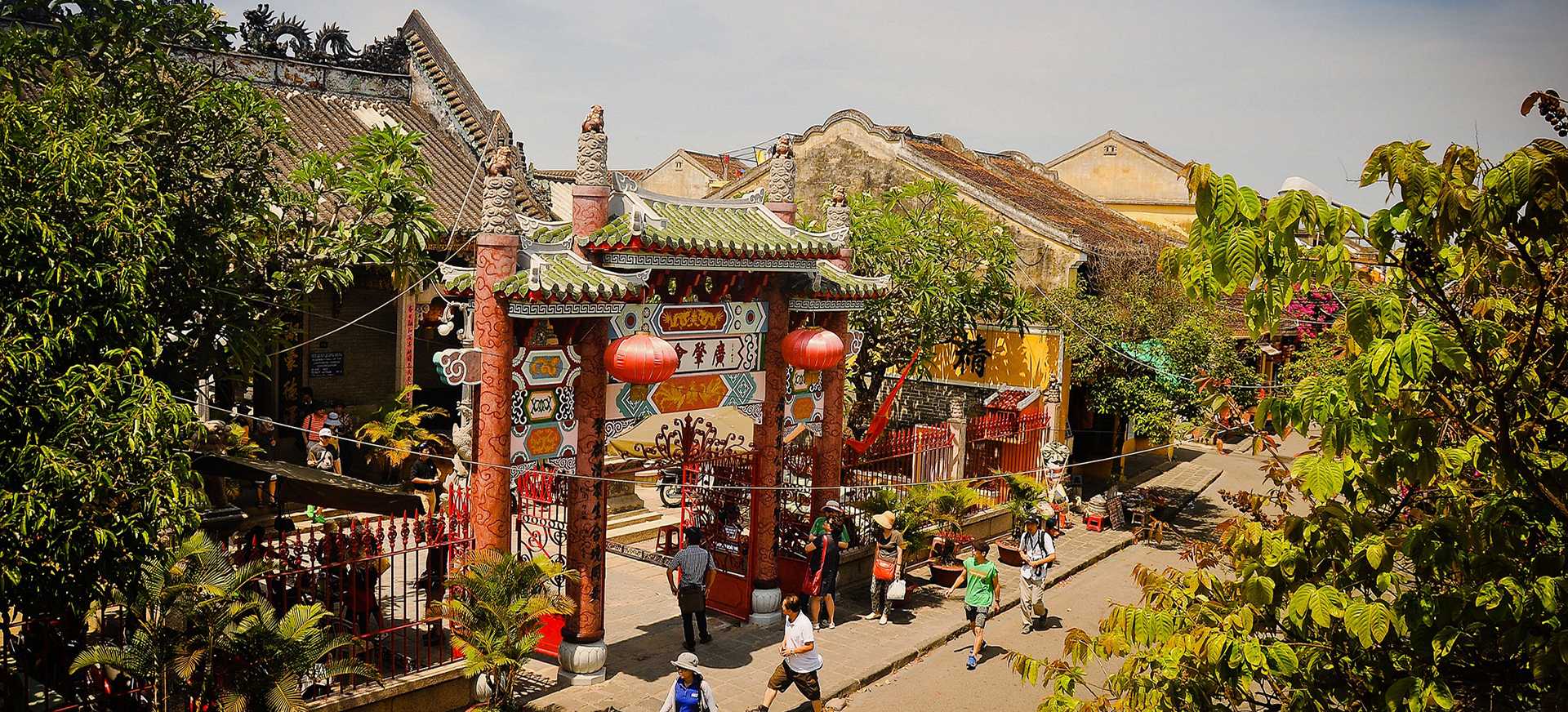
Hoi An Ancient Town is one of Vietnam’s most charming cultural destinations, famous for its lantern-lit streets, historic architecture, and centuries-old trading heritage. Among the many landmarks that reflect the town’s multicultural past, the Cantonese Assembly Hall stands out as an important symbol of the Chinese merchant community that once thrived in this bustling port.
Built by Cantonese traders who settled in Hoi An during the late 19th century, the hall showcases remarkable craftsmanship, spiritual traditions, and distinctive Chinese design. Today, travelers visiting the ancient town can admire its intricate decorations, peaceful courtyard, and cultural significance while learning more about the vibrant connections that shaped Hoi An’s history. If you are planning a journey through this UNESCO-recognized town, Simply Vietnam Travel offers helpful insights and travel inspiration to help you explore its most fascinating historical sites.

The Cantonese Assembly Hall is not only an architectural landmark but also a cultural symbol that reflects the deep historical connections between Hoi An and the Chinese merchant communities who once settled here. Built during the period when the ancient town flourished as a trading port, the hall represents the traditions, beliefs, and social life of Cantonese immigrants who contributed greatly to the development of the city.
The history of Cantonese Assembly Hall began in 1885 when Cantonese merchants in Hoi An decided to build a communal gathering place. The Cantonese Assembly Hall was established as both a spiritual center and a meeting place where members of the community could worship, celebrate festivals, and maintain their cultural traditions while living abroad.
As Hoi An grew into an important international trading hub, the Cantonese Assembly Hall became a key cultural space for merchants from Southern China. Within the vibrant environment of the Chinese Assembly Hall Hoi An, traders gathered to strengthen community ties, exchange news, and pray for prosperity and safe voyages across the sea.
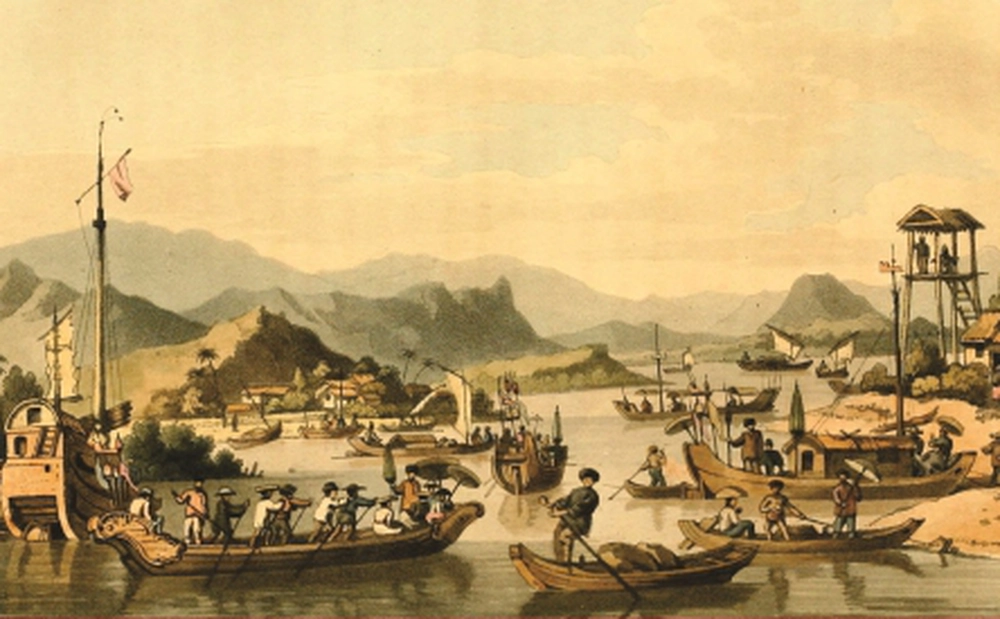
The architecture of the Cantonese Assembly Hall reflects the elegance and symbolism of traditional Chinese design while blending harmoniously with the historic atmosphere of Hoi An. Every structure within the complex, from the entrance gate to the inner courtyard, reveals artistic craftsmanship and cultural meaning that has been carefully preserved for more than a century.
One of the most striking features of the Cantonese Assembly Hall is its classic layout inspired by Southern Chinese temple architecture. The complex is arranged around an open courtyard that connects the entrance gate, ceremonial spaces, and the main worship hall. Visitors approaching the Quang Trieu Assembly Hall Hoi An will immediately notice the beautifully decorated gateway, which often features curved roofs, colorful tiles, and intricate carvings typical of Cantonese architectural style.
The courtyard design creates a sense of openness and balance, allowing natural light and air to flow through the entire complex. Walking through the Cantonese Assembly Hall, visitors can easily observe how the architectural elements are aligned symmetrically, creating a peaceful environment that reflects harmony between people, nature, and spiritual beliefs.
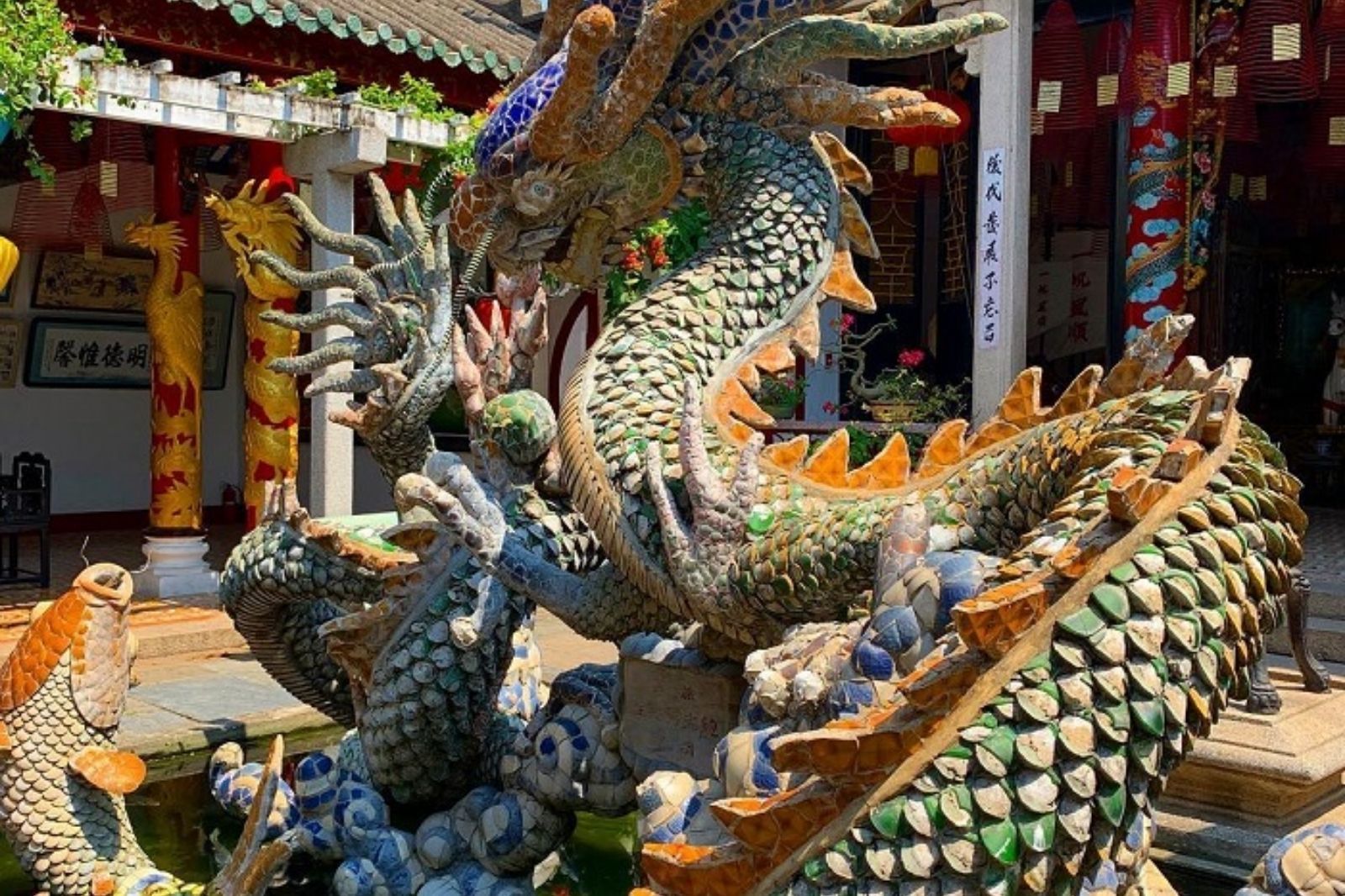
Beyond its overall layout, the Cantonese Assembly Hall is also admired for its rich decorative details. One of the most famous features is the impressive dragon sculpture located in the courtyard fountain. In Chinese culture, dragons symbolize power, protection, and prosperity, making them a common motif in temples and communal buildings.
Inside the Cantonese Assembly Hall, wooden beams, altars, and decorative panels are covered with elaborate carvings that depict legendary stories, mythical animals, and traditional patterns. Bright colors such as red, gold, and green dominate the interior decoration, representing good fortune and positive energy.
Visiting the Cantonese Assembly Hall offers travelers a chance to step into a space where history, spirituality, and art come together. For many visitors exploring the ancient town, it is also one of the cultural highlights among the many things to do in Hoi An. While the building itself is impressive from the outside, exploring the interior allows visitors to better understand the cultural traditions and community life that once flourished within its walls.
One of the first areas visitors notice inside the Cantonese Assembly Hall is the peaceful courtyard that connects the main architectural sections of the complex. At the center of the courtyard stands a striking dragon fountain, a symbolic feature representing protection and prosperity in Chinese culture. This open space creates a calm atmosphere and provides an ideal place to pause before entering the main hall.
The main worship hall is dedicated to Guan Yu, a legendary general admired for loyalty and integrity. Inside the hall, visitors will find elaborately decorated altars, incense offerings, and traditional ornaments that reflect long-standing spiritual beliefs. The quiet atmosphere invites travelers to observe local customs and appreciate the spiritual importance of the site.
Beyond the main prayer areas, the Cantonese Assembly Hall also contains many fascinating cultural artifacts and decorative elements. Visitors who take time to look closely will notice detailed carvings on wooden beams, ceramic mosaics, and symbolic patterns representing luck, harmony, and prosperity.
For many travelers exploring Hoi An’s historic district, discovering the things to see becomes a memorable cultural experience. From dragon statues and ornate altars to traditional architectural motifs, each element tells a story about the heritage of the Cantonese community and their lasting influence on the ancient town.
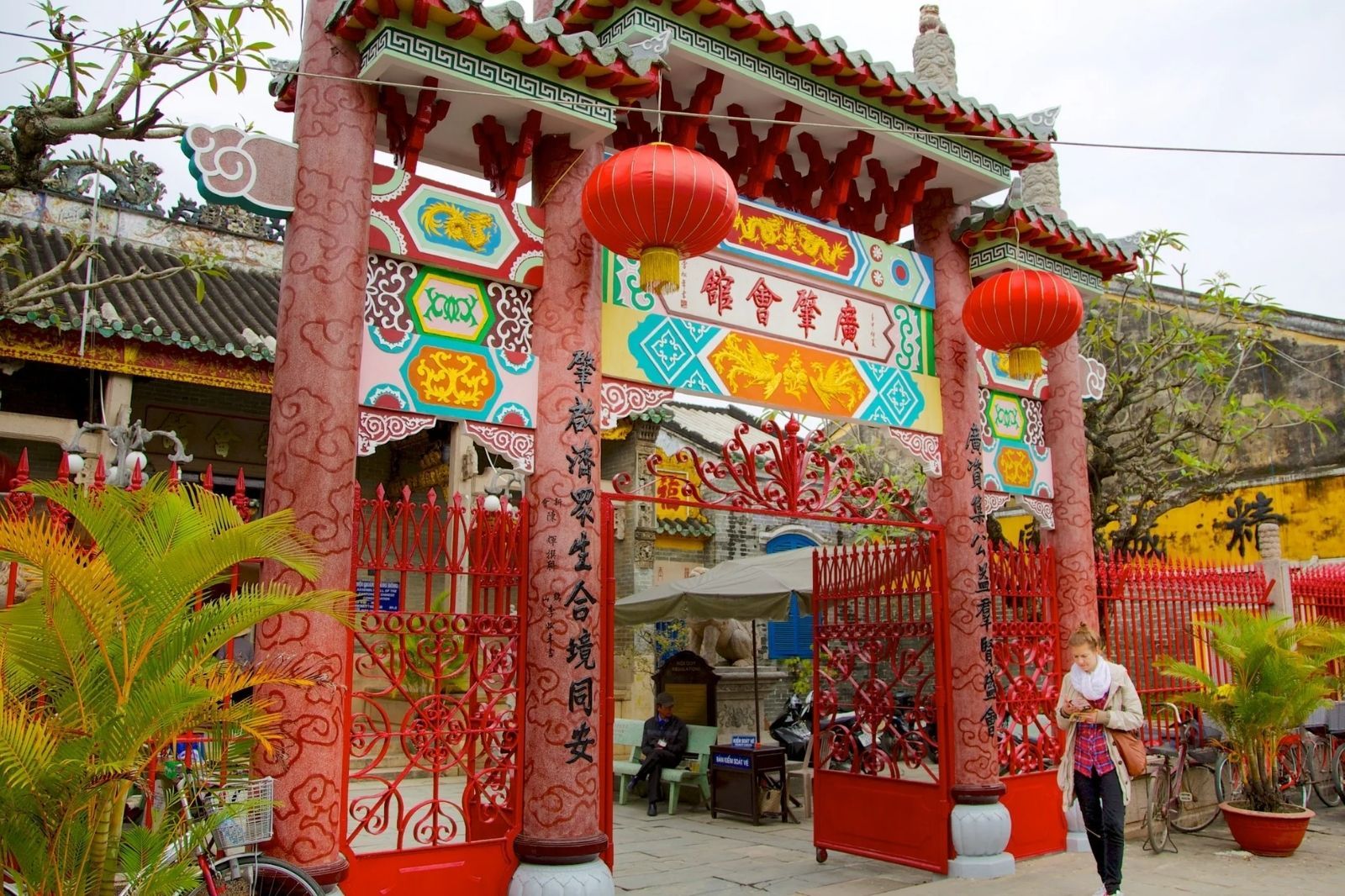
For travelers exploring Hoi An Ancient Town, visiting the Cantonese Assembly Hall is both convenient and rewarding. Located in the historic center of the old town, the hall can easily be included in a walking itinerary that connects several of Hoi An’s most famous cultural landmarks.
The Cantonese Assembly Hall is situated on Tran Phu Street, one of the most historic streets in the old town. Many visitors refer to the site as Hoi An, highlighting its importance as one of the best-preserved Chinese communal buildings in the city. From here, travelers can easily walk to nearby attractions such as the Japanese Bridge, traditional merchant houses, and several other historic temples.
Because the Cantonese Assembly Hall lies within the UNESCO-listed heritage zone, the surrounding area is filled with charming architecture, lantern-lit streets, and small cafes that make exploring the neighborhood even more enjoyable.
Like many heritage sites in the old town, the Cantonese Assembly Hall is usually open to visitors during the day. Access is typically included in the Hoi An Ancient Town entrance ticket, which allows travelers to visit several historical buildings and cultural attractions within the same pass.
Once inside the Cantonese Assembly Hall, visitors can take their time walking through the courtyard, admiring the detailed carvings, and observing the peaceful worship spaces that remain active today.
The Cantonese Assembly Hall can be visited throughout the year, but many travelers prefer the early morning or late afternoon when the weather is cooler and the crowds are smaller. If you are planning your trip carefully, this guide on the best time to visit Hoi An can help you choose the most pleasant season for exploring the ancient town. At these times, the soft natural light also highlights the intricate architectural details of the building.
After exploring the Cantonese Assembly Hall, visitors can continue discovering nearby landmarks such as the Japanese Bridge, Fujian Assembly Hall, and Phung Hung Old House. In the evening, travelers can also experience cultural performances like the Hoi An Memories Show, a spectacular outdoor performance that tells the story of the town’s history and heritage.
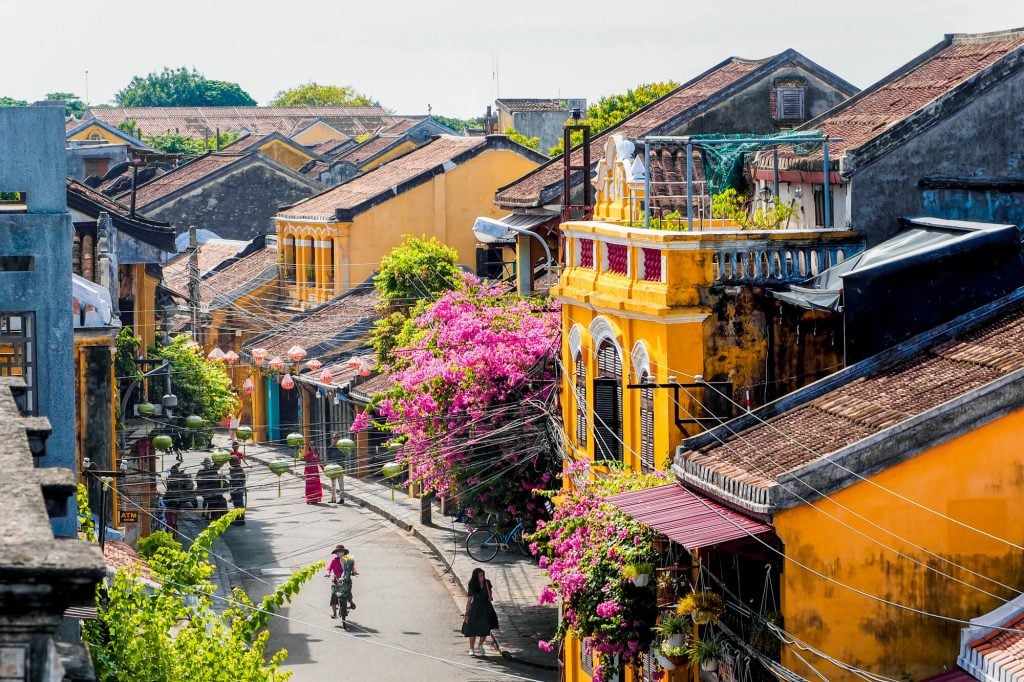
Exploring the Cantonese Assembly Hall offers visitors a deeper understanding of Hoi An’s rich cultural heritage and the lasting influence of Chinese merchant communities in this historic trading port. From its elegant architectural layout and symbolic decorations to its peaceful worship spaces, the hall remains one of the most fascinating historical sites within Hoi An Ancient Town. Walking through its courtyard and halls allows travelers to experience a unique blend of history, spirituality, and traditional craftsmanship that has been preserved for generations.
If you are planning a journey to discover the timeless beauty of Hoi An, taking time to visit this remarkable landmark will certainly enrich your travel experience. For more travel inspiration, detailed itineraries, and expert guidance, explore Vietnam with Simply Vietnam Travel and start planning your unforgettable adventure today.
Contact us through the following channels for a free consultation:
1. Where is the Cantonese Assembly Hall located in Hoi An?
The Cantonese Assembly Hall is located on Tran Phu Street in the historic center of Hoi An Ancient Town, close to the famous Japanese Bridge.
2. What makes the Cantonese Assembly Hall special?
The Cantonese Assembly Hall is known for its traditional Chinese architecture, detailed carvings, and cultural significance linked to the Cantonese merchant community.
3. Is the Cantonese Assembly Hall included in the Hoi An entrance ticket?
Yes, visitors can usually access the Cantonese Assembly Hall with the Hoi An Ancient Town entrance ticket that allows entry to several historic attractions.