291/2 Le Van Hien, Da Nang, Vietnam
hi@simplyvietnamtravel.com
+84 793 553 385
Mon – Sun 8.00 – 18.00

 travel
January 12, 2026
travel
January 12, 2026
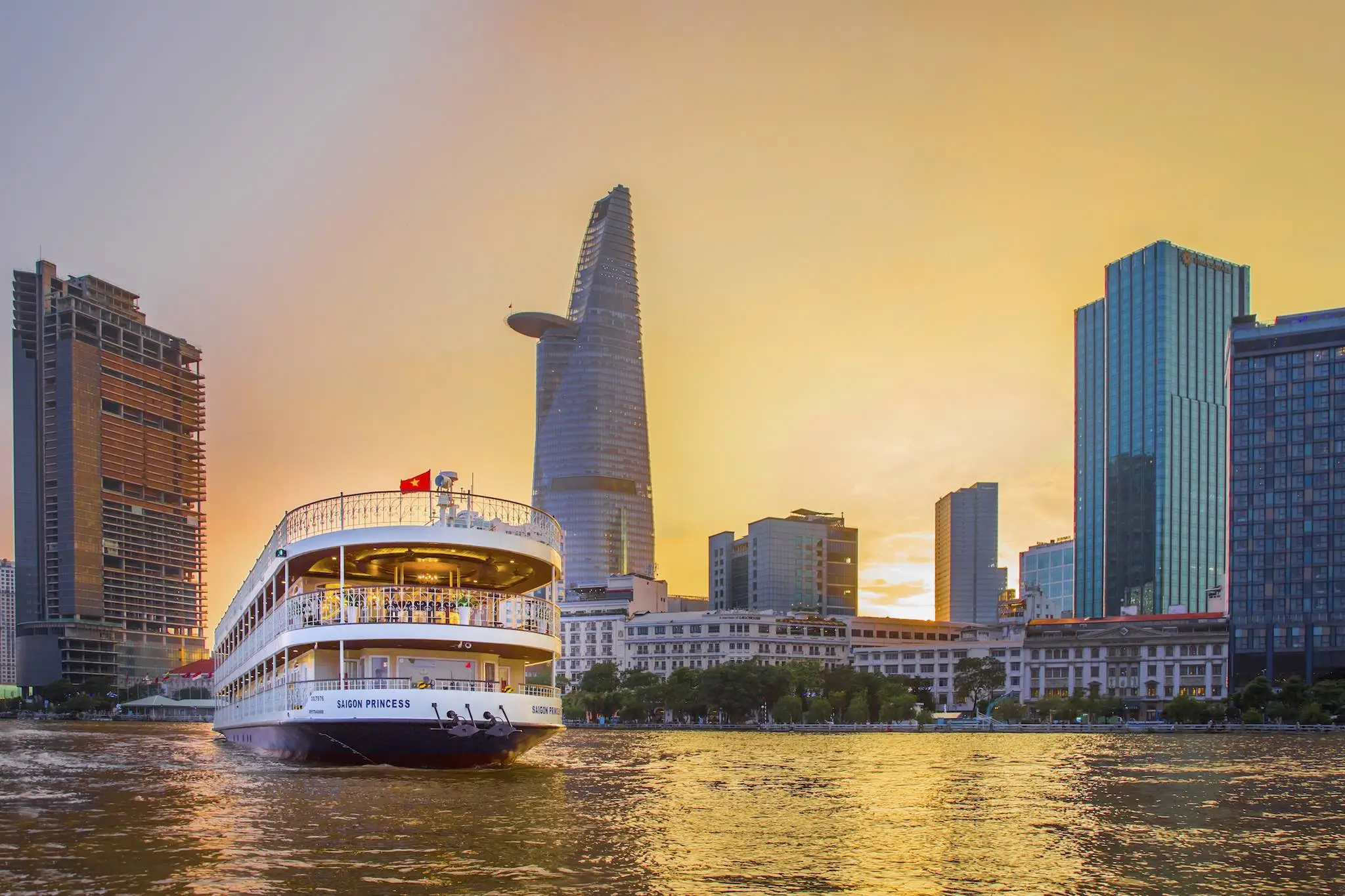
The journey connecting Vietnam’s “Most Livable City” and the “Dynamic Economic Hub of the South” is more than a mere geographical transition; it is a voyage through the distinct cultural and scenic layers of the Central and Southern regions. Determining the exact how far is Da Nang from Ho Chi Minh city is the primary challenge for any traveler or logistics entity. A flawless travel plan—whether by air, road, or rail—begins with a precise understanding of every kilometer, topographical variables, and optimized budget projections.
When discussing how far is Da Nang from Ho Chi Minh City, we cannot provide a singular, rigid figure. This distance fluctuates based on your chosen mode of transport and strategic route:
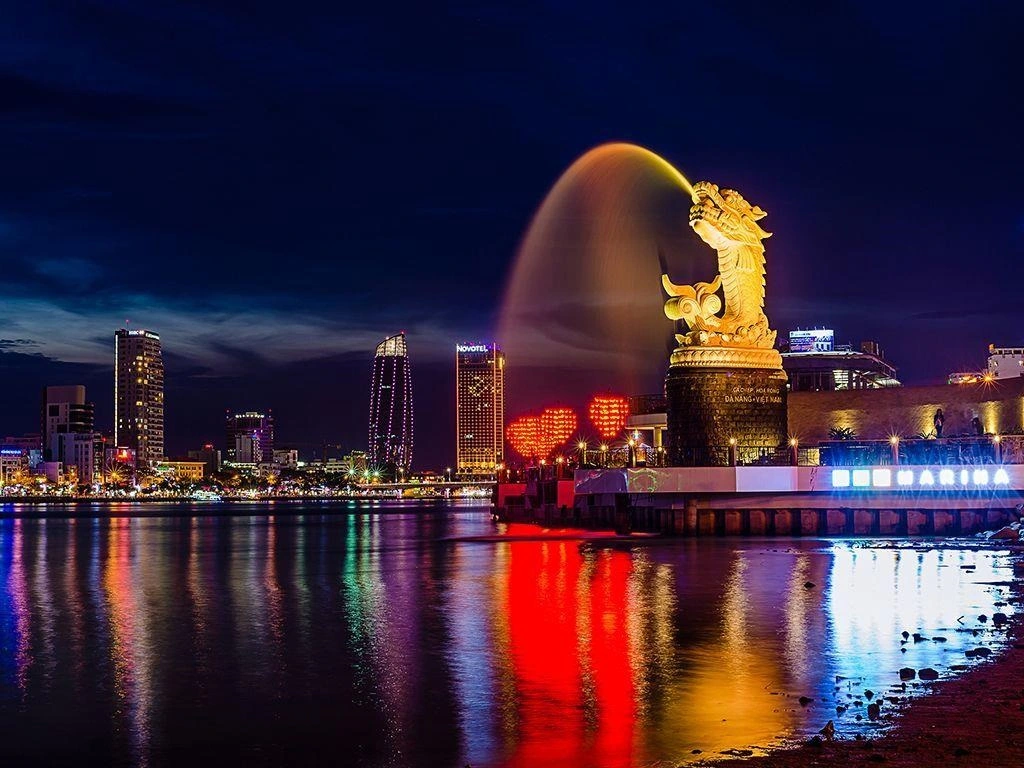
In the digital age, speed is the paramount priority. Securing flights from Da Nang to Ho Chi Minh City addresses the distance problem most effectively.

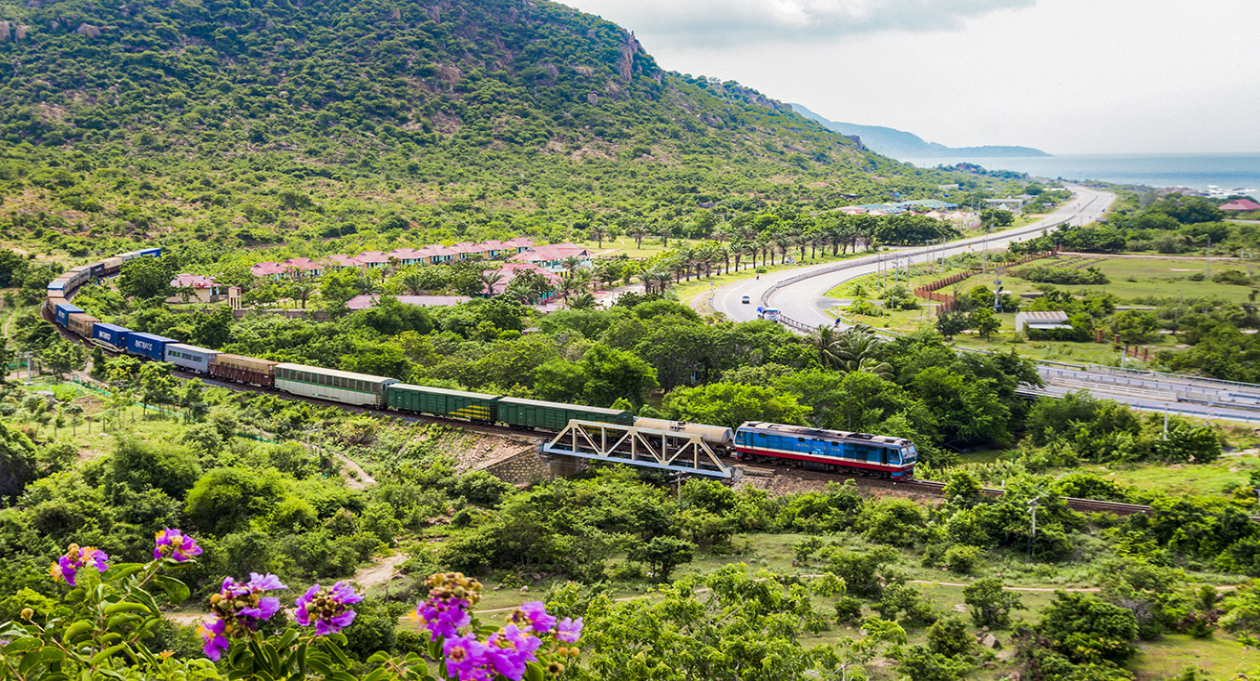
Using the North-South railway is not just transportation; it is an immersive sightseeing experience.
The bus from Da Nang to HCM has undergone a significant transformation with the introduction of “Mobile Palaces” (Limousine buses).

A precise economic calculation helps you master your trip. Below is an estimated budget per adult:
| Mode of Transport | Ticket/Fuel Cost | Incidental Costs (Food/Tolls) | Estimated Total Budget |
| Aviation | 1,200,000 – 2,800,000 VND | Airport Taxi: 400,000 VND | 1,600,000 – 3,200,000 VND |
| VIP Bus | 500.000 – 700.000 VND | On-road meals included | 600,000 – 800,000 VND |
| Train (Sleeper) | 800,000 – 1,300,000 VND | On-board catering: 200,000 VND | 1,000,000 – 1,500,000 VND |
| Private Car (5-seater) | Fuel: 1,800,000 VND | BOT Tolls: 750,000 VND | 2,550,000 VND (excluding depreciation) |
Expert Note: If traveling by private car, you should factor in a budget for overnight stays (typically in Quy Nhon or Nha Trang) to ensure physical well-being and safety.
A distance of nearly 1,000 km harbors many variables that require a response script:
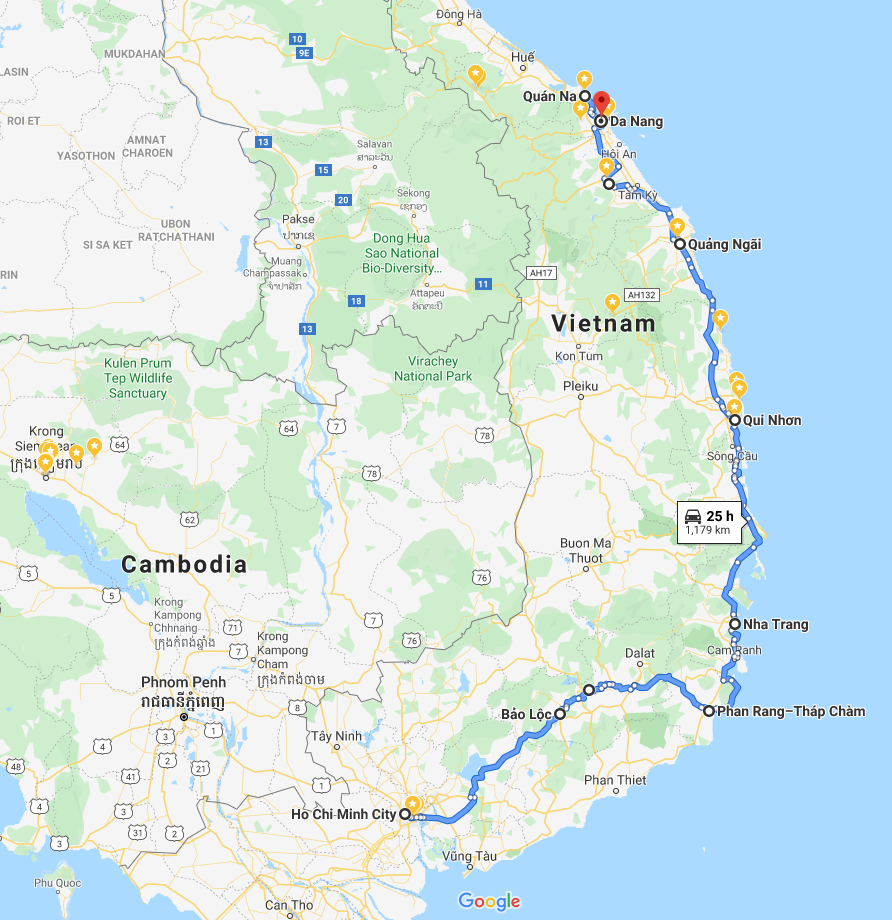
Do not let the question of how far is Da Nang from Ho Chi Minh City become a source of fatigue; make it a part of your Da Nang tourism plan. Alongside your transportation options are numerous heritage sites:
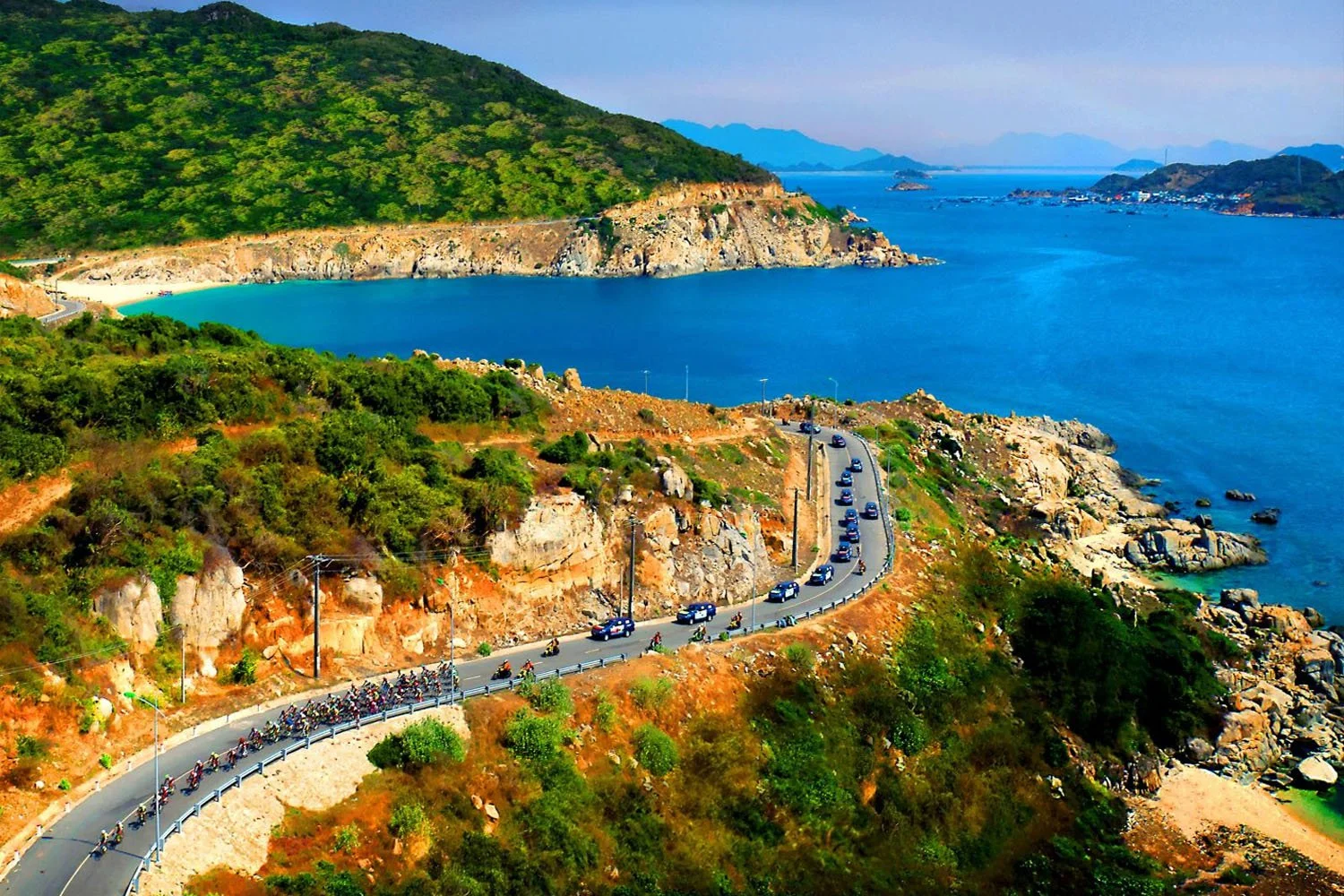
Vinh Hy Bay (Ninh Thuan): A perfect stop for those who love the pristine, emerald beauty of the ocean.
Dai Lanh Cape (Phu Yen): The place to catch the very first rays of dawn on the Vietnamese mainland.
Quang Ngai Ancient Citadel: A site preserving the heroic historical imprints of the nation. Integrating these stopovers into your travel itinerary not only allows the driver to rest but also enriches your life experience and cultural understanding.
In summary, whether viewed in terms of kilometers or hours, the distance from Ho Chi Minh City to Da Nang can be optimized with a clear strategy. From the swiftness of aviation and the tranquility of rail to the autonomy of road travel, each choice offers unique value. Thorough preparation regarding route knowledge, finances, and contingency plans is the deciding factor in a successful journey. We hope this in-depth information has provided you with the most comprehensive and accurate overview to begin your conquest of the sun-drenched Central region.
With Simply Vietnam Travel, you can rest assured that every detail of your itinerary has been meticulously prepared. As a specialist in organizing Central Vietnam tours, we offer you a diverse selection of well-structured itineraries that blend sightseeing, relaxation, and local cuisine, ensuring a fulfilling journey to unforgettable destinations.
A Central Vietnam adventure will be far more exciting when you simply bring your sense of exploration, while the planning is handled by Simply Vietnam Travel.
Contact us through the following channels for a free consultation:
The actual flight time between the two cities is approximately 1 hour and 20 minutes. However, when factoring in airport procedures (check-in, security) and commuting to the city center, the total travel time typically ranges from 3.5 to 4 hours.
You should prioritize high-speed trains such as SE2, SE4, or SE6 (South-to-North direction). These trains offer the best quality sleeper cabins, optimized travel times (around 17-18 hours), and schedules that usually pass through the scenic Hai Van Pass during daylight hours for sightseeing.
For a standard 5-seater car, fuel costs fluctuate between 1,800,000 – 2,000,000 VND. Toll fees (BOT) along National Highway 1A will cost an additional 750,000 VND. The total basic operating cost is approximately 2,750,000 VND for a one-way trip.
The coastal route (passing through Mui Ne, Phan Rang, Cam Ranh, and Quy Nhon) is considered the most beautiful. This itinerary allows you to admire pristine beaches and some of Vietnam’s most stunning bays instead of just following the crowded inland national highway.
I’d like to point out that caution is advised from October to December. This is the flood season in Central Vietnam; certain road sections in Phu Yen or Quang Ngai may experience localized flooding or landslides on mountain passes. During this period, prioritizing trains or flights is recommended for absolute safety.