291/2 Le Van Hien, Da Nang, Vietnam
hi@simplyvietnamtravel.com
+84 793 553 385
Mon – Sun 8.00 – 18.00

 travel
December 12, 2025
travel
December 12, 2025

Da Nang Weather by Month – this is the indispensable climate map for designing an unforgettable trip to Vietnam’s most livable city in 2026. Da Nang, a stunning confluence of majestic mountains, soft white-sand beaches, and a modern urban rhythm, is every travel enthusiast’s dream. Join us as we dive deep into each month of 2026 to understand the temperature, rainfall and make the smartest travel decision, one that reflects your investment!
Da Nang’s climate is characteristic of a tropical monsoon region, divided into two distinct, cyclical seasons:
Characteristics: High rainfall, humid, increased risk of typhoons/tropical depressions (peaking in September – November), cool, sometimes chilly temperatures.
| Month | Avg. Temp. (Range) | Climate Feature & Must-Try Activities |
| J1 | 19°C−25°C | Cool, chilly: Rough seas, unsuitable for swimming. Ideal for cultural exploration, historical sites, and street food. |
| F2 | 20°C−26°C | Dry, gradually warming: Lowest rainfall. Perfect weather for external trips like Marble Mountains. Beginning of the Lunar New Year festival season. |
| M3 | 22°C−28°C | Most Ideal: Light sun, gentle breeze, sea warming up. The perfect time for all activities from the beach to the mountains. |
| A4 | 24°C−30°C | Excellent for the Sea: Bright sunshine but not overly harsh. Suitable for diving and visiting Cham Islands. |
| M5 | 25°C−32°C | Intensifying Heat: The beach is a paradise, but avoid the fierce midday sun. Best for resort relaxation. |

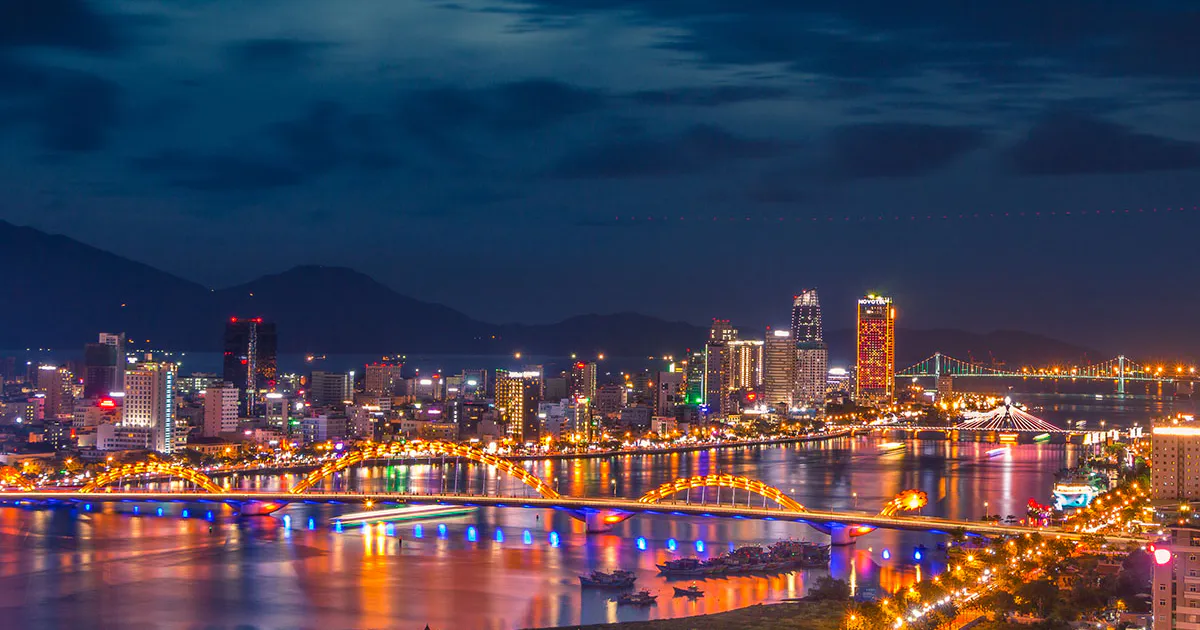
January brings a pleasant, cool, and somewhat chilly Da Nang, marking the subtle transition from the humid rainy season. The sky is often cloudy, sometimes featuring gentle sunshine, but the air retains a distinctive chill. The sea may be too cold for swimming, but the weather is flawless for city walks, admiring the city’s quiet beauty. This is the time to wear a light jacket, enjoy a hot coffee, and admire the Dragon Bridge under a peaceful sky.
February is highly rated for its weather, with rainfall significantly decreasing and the sun starting to shine more frequently. If you visit during the Lunar New Year (Tet), you will experience a vibrant, dry, and utterly comfortable festive atmosphere. This is the ideal month to begin exploratory trips, as the scenery is refreshed but not yet scorched by the summer sun.

March officially ushers Da Nang into the high tourist season. Sunny, dry air, and the sea temperature is warm enough for swimming. This is the perfect balance: enough sun to enjoy the beach but not yet the overwhelming heat of the subsequent phase. Many travelers book tickets during this time when researching Da Nang weather by month. This month is unmissable if you seek the most complete travel experience.
April is known as the “second golden time” of the year. The Da Nang sky transforms into a brilliant sapphire blue. The temperature is perfectly warm for plunging into the crystal-clear ocean water. The magnificent climate in April makes all outdoor activities, from picnics on Son Tra Peninsula to visiting Hoi An, exciting and smooth.

May witnesses a noticeable increase in sun intensity, preparing for the hottest phase. Although the temperature rises, the beach remains the highlight, a haven for water sports enthusiasts. Researching Da Nang weather by month for this month shows activities should be scheduled for the early morning or late afternoon to avoid the intense heat, ensuring well-being.
| Month | Avg. Temp. (Range) | Climate Feature & Must-Try Activities |
| J6 | 26°C−34°C | Peak Heat: Extremely dry. Suitable for swimming, relaxing in air-conditioned resorts, and staycations. |
| J7 | 26°C−34°C | Stable, Scorching: No storms, long sunny days. The coastal scenery is at its most vibrant. Utilize the evenings for city walks, watching the Dragon Bridge. |
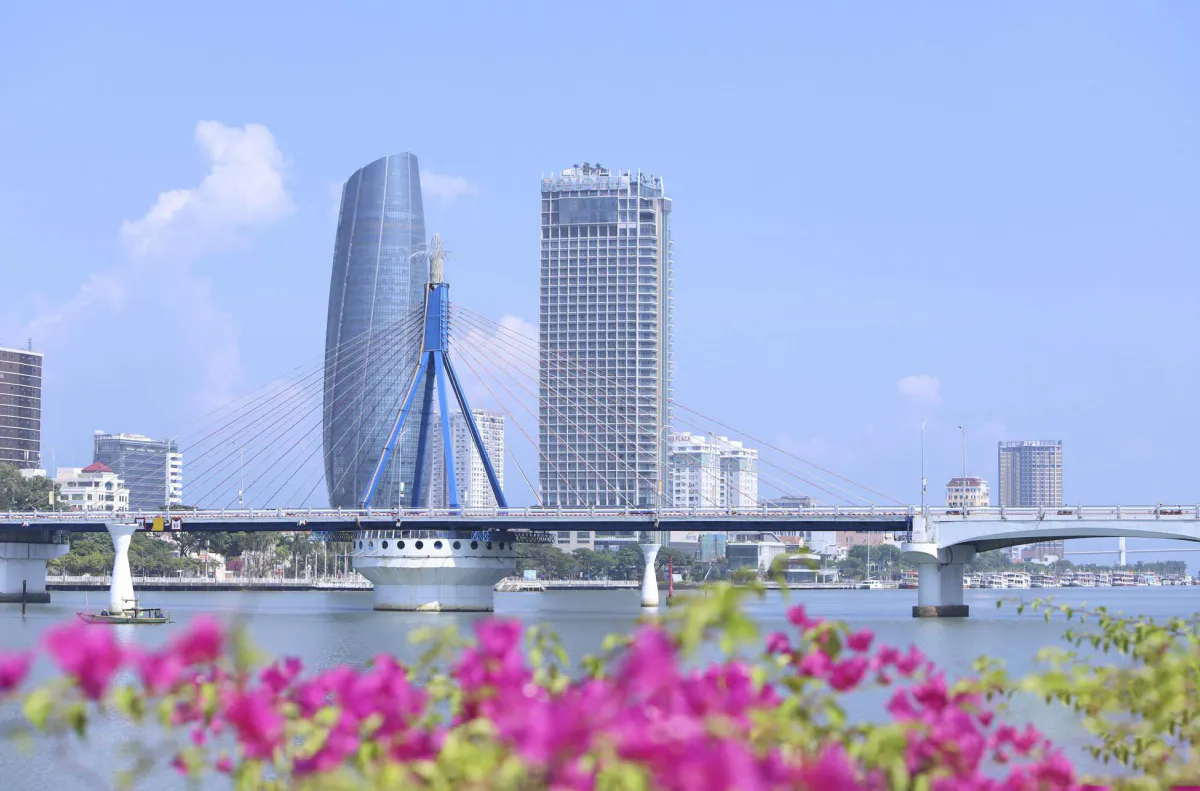
June is the apex of the Central Vietnamese scorching summer. It boasts the highest temperatures of the year, challenging visitors’ endurance. In return, you’ll be greeted by cloudless skies and endless sunny days, ideal for unlimited beach enjoyment. This month has the highest domestic tourist numbers due to summer holidays. Planning your Da Nang weather by month itinerary meticulously for June is mandatory to avoid heat exhaustion.
July maintains high temperatures and dry air, similar to June. Mặc dù the intense weather, this remains one of the most vibrant months. Stable weather conditions, free from storms, ensure that all outdoor activities proceed smoothly. Given this stability, the coastal scenery is at its most brilliant and dazzling peak, the perfect backdrop for stunning check-in photos.
| Month | Avg. Temp. (Range) | Climate Feature & Must-Try Activities |
| A8 | 25°C−32°C | Transitional: Cooler, heavy showers late afternoon. Suitable for flexible travel, combining with resort relaxation. |
| S9 | 24°C−30°C | High Rain, Storm Risk: Increased weather risk but service costs drop significantly. Good for culinary tours, museums. |
| O10 | 23°C−28°C | Peak Storm Season: Cool, continuous rain. Focus on indoor activities. |
| N11 | 21°C−27°C | Rain Subsiding: Cool and humid. Ideal for exploring nearby Hoi An or Hue with a quiet, mystical beauty. |
| D12 | 19°C−25°C | Cool and Chilly: Scattered showers remain. Suitable for the Christmas festive mood, enjoying cozy coffee shops. |

August is the transitional month; the peak heat has subsided, making way for fleeting showers that bring a welcome coolness. However, the rain comes quickly and intensely, requiring flexibility in scheduling. Traveling this month is a smart choice for those wanting to avoid the heat while still having a chance to swim.
September marks the beginning of the typhoon and tropical depression season. The weather is much cooler but humid, with scattered showers. Despite the high weather risk, this is a golden opportunity for budget travel as service costs plummet. The urban landscape becomes gentler, more romantic under the rain. Research the Da Nang weather by month details for this period to prepare contingency plans.

October is the biggest challenge for visitors. Rain can last continuously for many days, accompanied by storm risks. Outdoor activities are almost completely halted. However, the cool, sometimes chilly temperature is a positive point for those who want to experience a quiet Da Nang, focusing on hot cuisine and indoor relaxation.
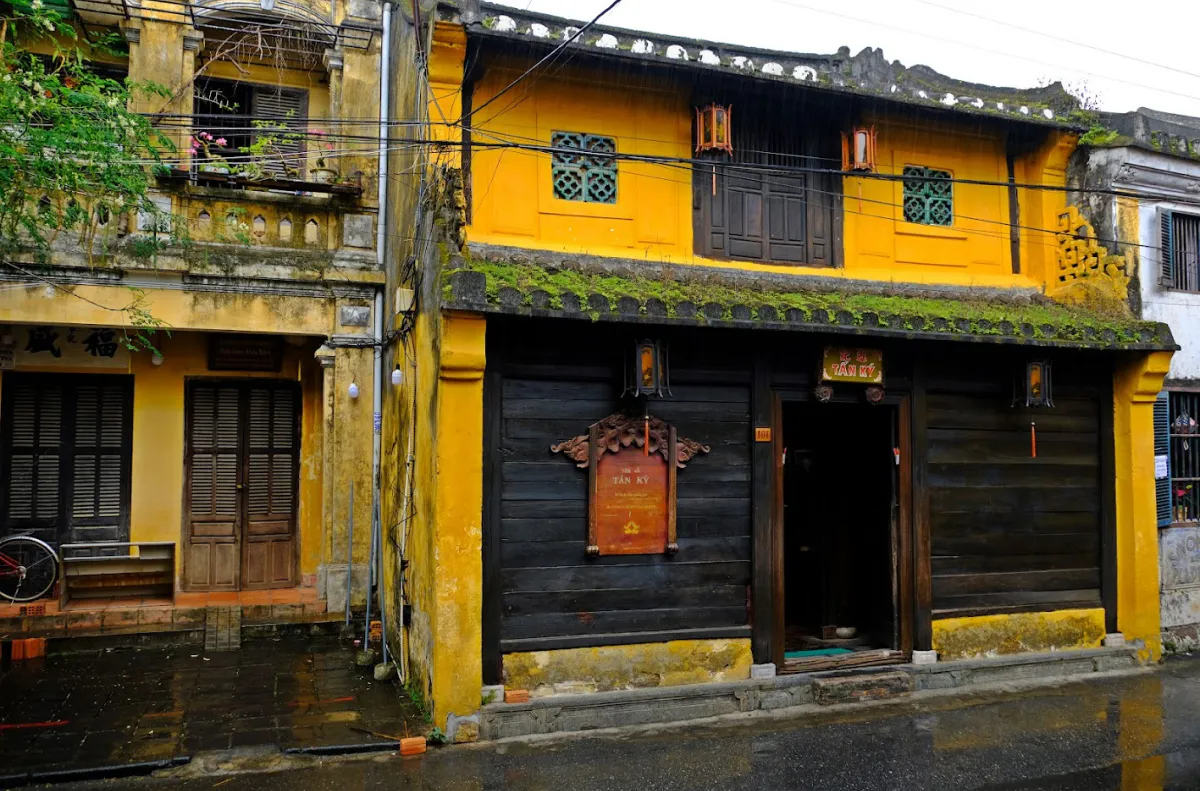
November remains wet, but the frequency and intensity of the rain start to decrease. A cool and humid feeling envelops the city. The sea is rough and unsuitable for swimming, but the mountain scenery takes on a misty, mysterious beauty. Exploring the nearby city of Hoi An in the glow of shimmering lanterns and chilly air is a truly worthwhile experience.

The last month of the year concludes the Da Nang weather by month cycle with a cool, even chilly atmosphere in the evening, very fitting for the year-end festive mood. Rain still occurs but is no longer as persistent and aggressive as October. Da Nang puts on a sparkling Christmas attire, inviting visitors to experience a Winter warmed by human spirit and delicious food.
Da Nang Weather by Month is a valuable blueprint, confirming that the city is always ready to welcome you with the unique charm of each season. The undisputed golden time is from March to May, when the sun shines warmly, the sea is turquoise, and all activities proceed flawlessly. Regardless of when you choose to go, having detailed knowledge about Da Nang weather by month will help you prepare your luggage and mindset optimally, making your 2026 Da Nang trip complete and memorable. Book your dates today to secure the most ideal weather conditions!
With Simply Vietnam Travel, you can rest assured that every detail of your itinerary has been meticulously prepared. As a specialist in organizing Central Vietnam tours, we offer you a diverse selection of well-structured itineraries that blend sightseeing, relaxation, and local cuisine, ensuring a fulfilling journey to unforgettable destinations.
A Central Vietnam adventure will be far more exciting when you simply bring your sense of exploration, while the planning is handled by Simply Vietnam Travel.
Contact us through the following channels for free consultation:
The highest risk of typhoons or tropical depressions typically falls between September and October. Visitors should monitor the weather forecast closely if traveling during this period.
You should pack light, breathable summer clothing, swimwear, wide-brimmed hats, sunglasses, and high-SPF sunscreen, especially in June and July due to the very high temperatures.
Since Hoi An (Quang Nam) is only about 30km from Da Nang, the weather and climate of the two places are virtually identical and are affected by the same climate patterns.
The biggest advantage is significantly reduced travel costs (hotel rooms, flights), fewer tourists, allowing you to enjoy a quiet atmosphere and focus on enjoying hot local cuisine in the cool weather.
Not really suitable. December is part of the wet season, with cool to chilly weather (around 19°C – 25°C), frequent showers, and the sea is quite cold, only suitable for walks along the beach.