291/2 Le Van Hien, Da Nang, Vietnam
hi@simplyvietnamtravel.com
+84 793 553 385
Mon – Sun 8.00 – 18.00

 travel
January 2, 2026
travel
January 2, 2026

Da Nang temperature by month is not merely a set of dry statistics on a weather chart; it is the vital rhythm of a dynamic coastal city. For a sophisticated traveler, understanding the nuances of temperature, humidity, and rainfall throughout the year is not only essential for packing but also the key to discovering the hidden charms of Da Nang that mainstream tours often overlook.
Da Nang occupies a unique geographical position in central Vietnam, serving as a transitional hub between the tropical climate of the South and the seasonal variations of the North. Protected by the majestic Bach Ma mountain range, the city avoids the harsh, biting cold of the North while maintaining a refreshing coolness during the end-of-year months.
The climate is divided into two contrasting seasons:
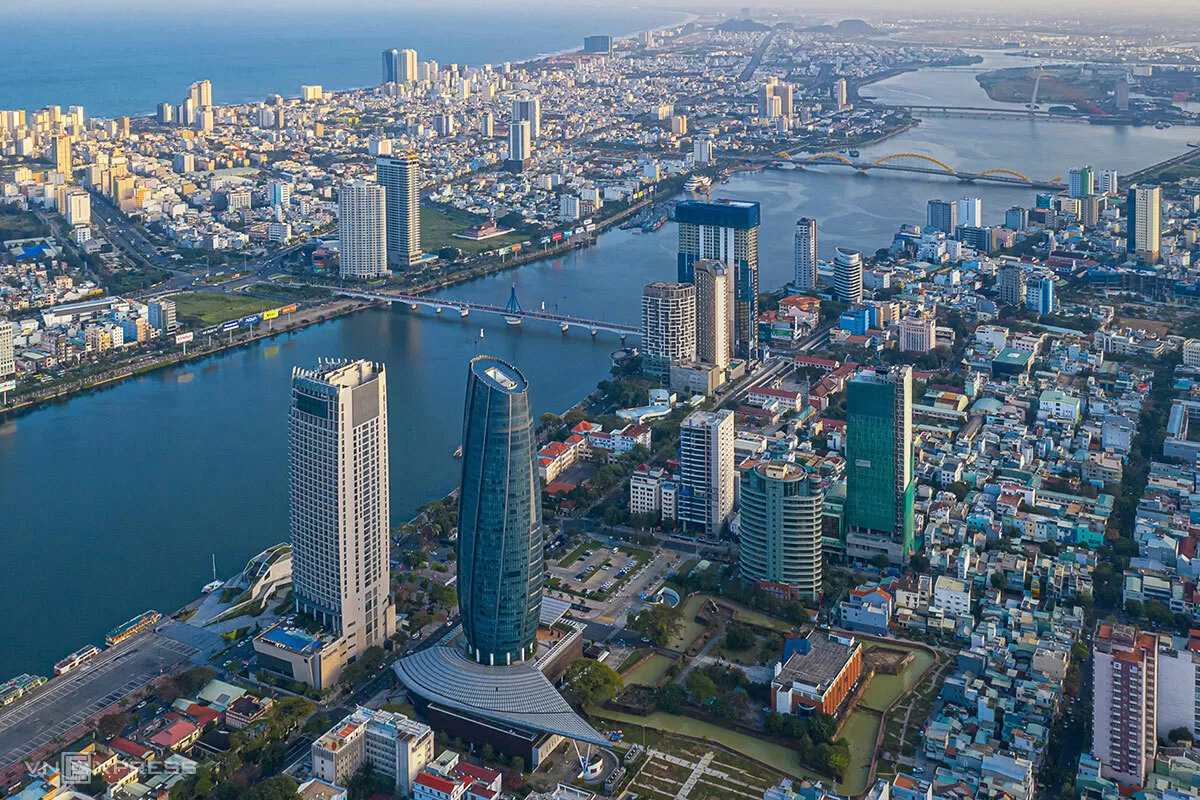
Mastering Da Nang’s temperature by month will empower you to decide where to go, what to wear, and most importantly, how to feel the true soul of the city in your own way.
During this period, Da Nang wears its most delicate coat. The average temperature fluctuates between 18°C and 25°C.
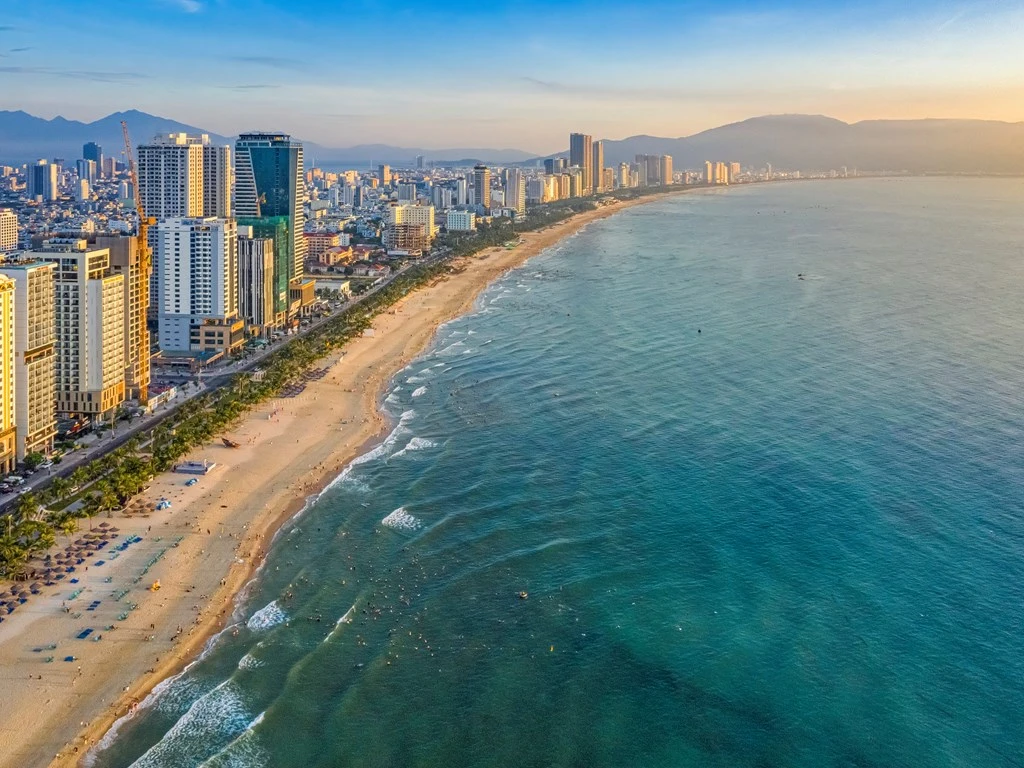
If you ask for the most perfect time to visit, the answer is undoubtedly March and April. The Da Nang temperature by month during this time remains stable at 21°C – 30°C.

This is the peak tourist season, where temperatures can reach 35°C – 38°C. Brilliant golden sunshine covers every corner, turning the sea water into an impressive emerald green.

Temperatures begin to cool down to 24°C – 32°C. Sudden afternoon showers help dissipate the intense summer heat.
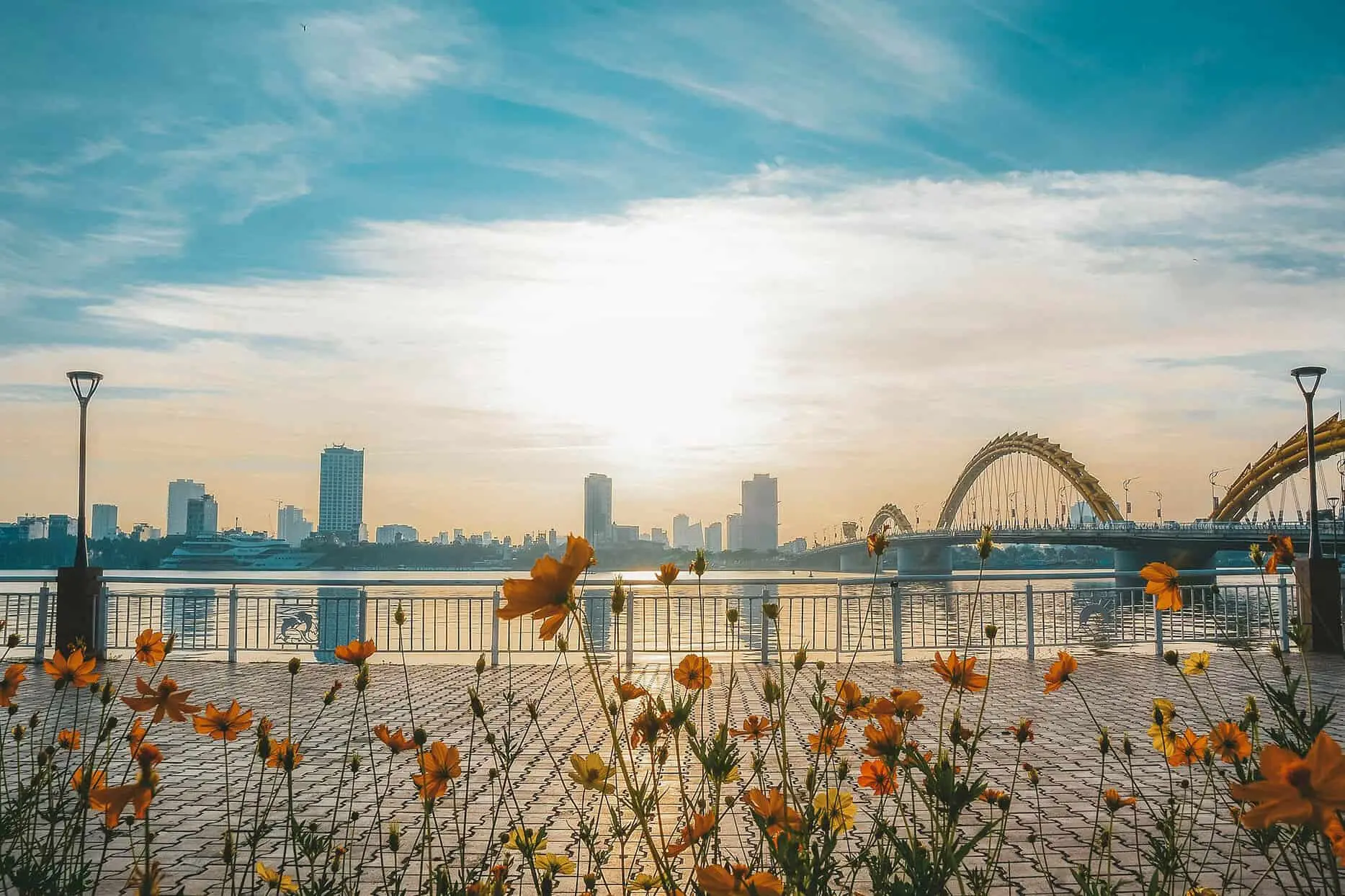
December is the second coldest month after January. Average temperatures range from 19°C to 24°C. Occasionally, strong cold air masses can drop nighttime temperatures below 17°C.

| Month | Min Temp (°C) | Max Temp (°C) | Avg Humidity (%) | Sun Hours (h) |
| January | 18 | 24 | 83 | 140 |
| February | 19 | 26 | 82 | 160 |
| March | 21 | 28 | 80 | 210 |
| April | 23 | 31 | 79 | 240 |
| May | 25 | 33 | 78 | 260 |
| June | 26 | 35 | 76 | 250 |
| July | 26 | 35 | 77 | 255 |
| August | 26 | 34 | 78 | 220 |
| September | 24 | 32 | 82 | 170 |
| October | 23 | 28 | 85 | 140 |
| November | 21 | 26 | 84 | 120 |
| December | 19 | 24 | 84 | 130 |
Fluctuations in Da Nang temperature by month can directly affect your skin and health, so always listen to your body.

Researching Da Nang temperature by month thoroughly is not just a technical preparation step; it also reflects your respect for your own personal experience throughout the journey. Da Nang always welcomes tourists with very unique nuances: from the brilliant sunshine that makes My Khe Beach sparkle like diamonds in the summer, to the mystical mist covering the peaks of Ba Na Hills on chilly early winter days.
With Simply Vietnam Travel, you can rest assured that every detail of your itinerary has been meticulously prepared. As a specialist in organizing Central Vietnam tours, we offer you a diverse selection of well-structured itineraries that blend sightseeing, relaxation, and local cuisine, ensuring a fulfilling journey to unforgettable destinations.
A Central Vietnam adventure will be far more exciting when you simply bring your sense of exploration, while the planning is handled by Simply Vietnam Travel.
Contact us through the following channels for free consultation:
1. Is the temperature at the top of Ba Na Hills significantly different from the city?
Yes, the difference is substantial. Due to its altitude of nearly 1,500m, the temperature at Ba Na is usually 6°C to 8°C lower. Even when the city is 35°C, you can feel quite cold at the summit.
2. Are there storms in Da Nang in October?
This marks the beginning of the storm season in Central Vietnam. However, storms do not occur every year during this exact month. You should monitor the forecast about a week in advance for backup plans.
3. When is the ideal time for swimming?
From April to August, the water is warm and calm, making it perfect for swimming and participating in activities like coral diving at Cham Island.
4. Do children easily get sick when the weather changes in Da Nang?
Children can be sensitive to the change between air conditioning and outdoor temperatures. Ensure they are not in the sun for too long at noon and always carry a light jacket for air-conditioned areas.
The Da Nang temperature by month is the golden handbook that helps you master every moment of your journey exploring this wonderful coastal city.