291/2 Le Van Hien, Da Nang, Vietnam
hi@simplyvietnamtravel.com
+84 793 553 385
Mon – Sun 8.00 – 18.00

 travel
December 10, 2025
travel
December 10, 2025
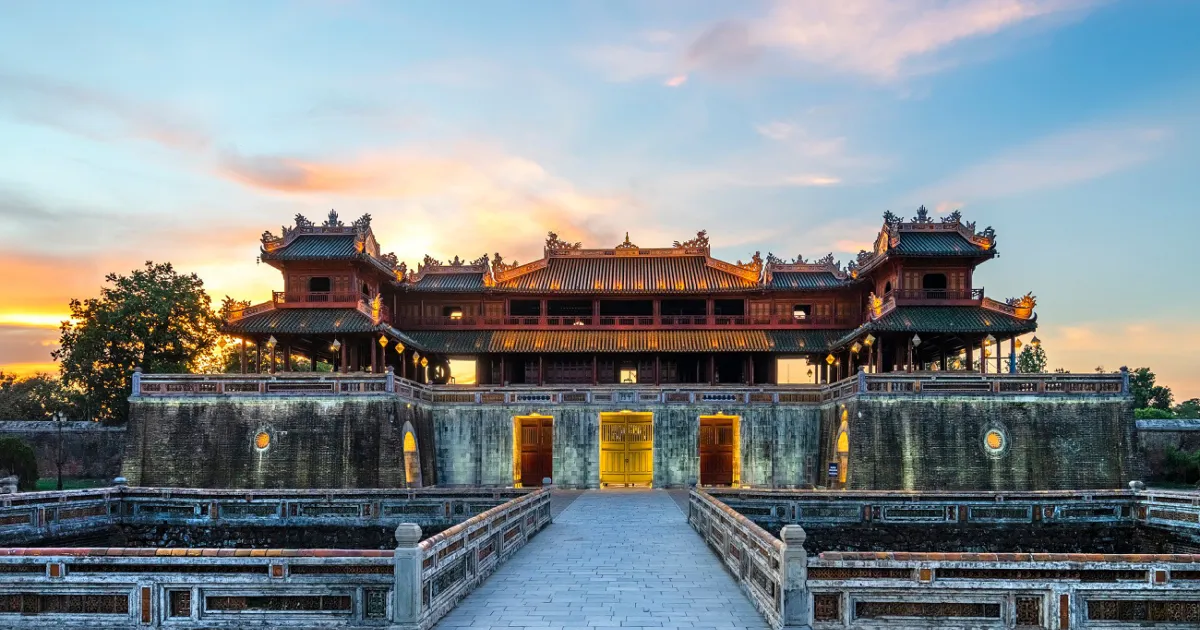
Determining the best time of year to visit Hue, Vietnam, is the first and most critical question any traveler planning a trip to the Imperial City must ask. Hue is not merely a tourist destination; it is an immersive experience of history, culture, and cuisine, recognized as a UNESCO World Heritage site. Located in Central Vietnam, Hue possesses a quiet, romantic beauty, yet its weather patterns can be challenging. Choosing the right time can transform your visit from a simple tour into an unforgettable journey. This comprehensive guide breaks down the climate month by month and recommends the most suitable activities, helping you pinpoint the golden moment to embrace the mystique of this ancient imperial land fully.
Hue, the capital of Thua Thien Hue province, served as the last imperial capital of Vietnam’s feudal dynasty (the Nguyen Dynasty, from 1802 to 1945). This special status forged a city deeply marked by unique cultural, historical, and royal architectural imprints.
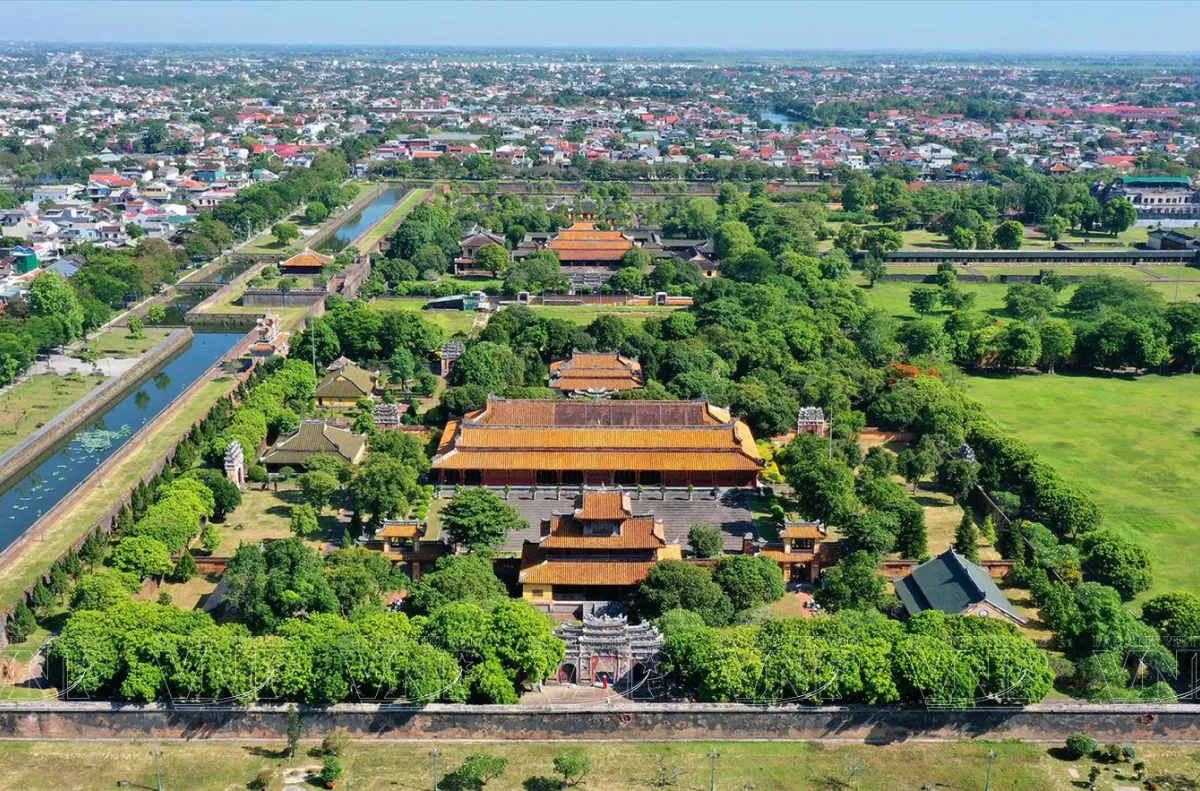
Hue is located in Central Vietnam, approximately 100km north of Da Nang, surrounded by rolling green hills and the poetic Perfume River (Sông Hương). The city is the center of the Hue Monuments Complex, which includes the Imperial Citadel, the Forbidden Purple City, and the solemn tombs of the former emperors. The combination of man-made architecture and natural landscapes (the Perfume River, Ngu Mountain) creates an iconic cultural space, attracting millions of visitors annually. This makes finding the right travel time crucial.
Hue’s culture is renowned for its subtlety and elegance, especially in its cuisine. It is considered the cradle of Vietnamese royal and vegetarian cooking. Hue’s dishes are often small, meticulously presented, and feature a distinctive spicy flavor, setting them apart from other regional cuisines.
The weather is the pivotal factor determining your trip’s success. Identifying the best time of year to visit Hue, Vietnam, depends on whether you prefer warm sun for sightseeing or cool rain for the city’s unique romantic atmosphere.
The dry season in Hue is lengthy, offering stable weather but also the potential for severe heatwaves.
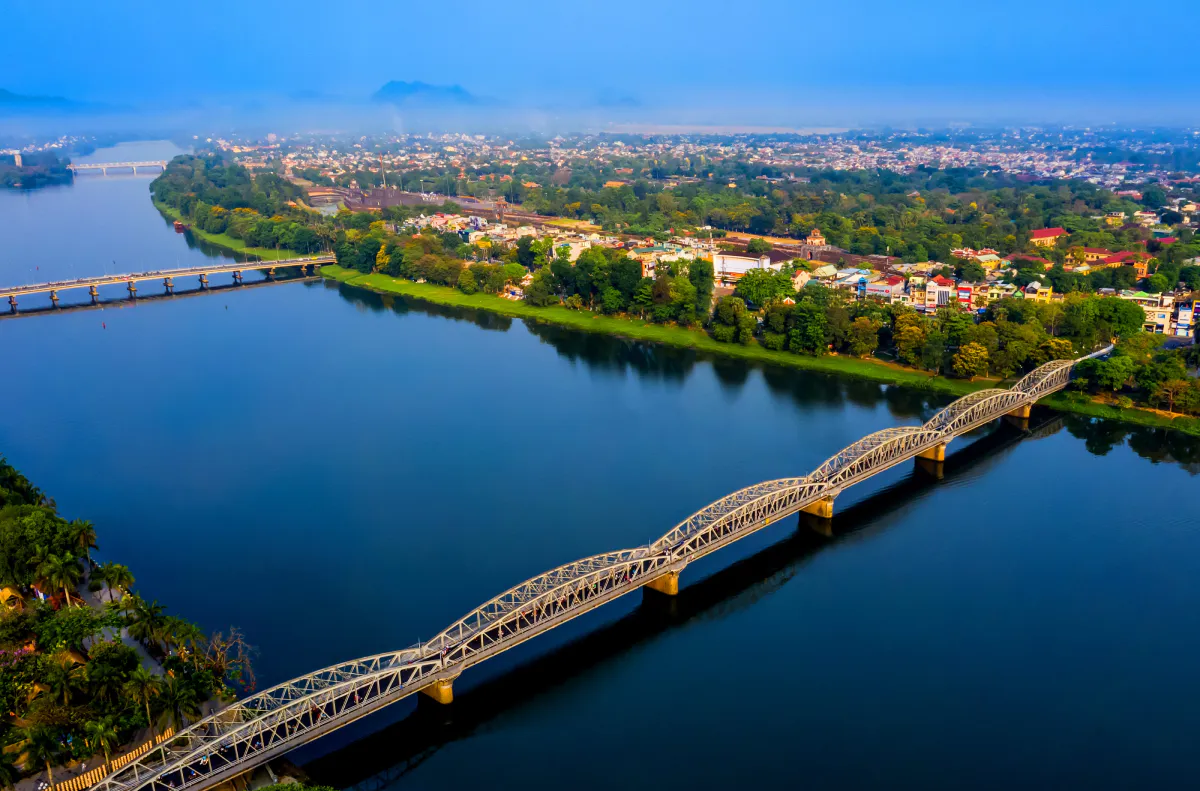
This period is considered by many to be the absolute best time of year to visit Hue, Vietnam.
Weather: Temperate and pleasant climate, with temperatures ranging from 20°C to 28°C. Mild sun, minimal rain, and moderate humidity.
Benefits: Ideal for all outdoor activities, particularly walking tours of the Monument Complex, visiting the tombs, and photography.
Weather: Peak heat, with temperatures often exceeding 35°C, and occasionally reaching 40°C due to the Foehn effect (Lao wind).
Note: You must avoid visiting open areas during midday (11:00 AM – 3:00 PM). Preparation is key when traveling during this segment of the dry season.
Hue’s rainy season carries a culturally distinctive charm, yet it is the greatest challenge.
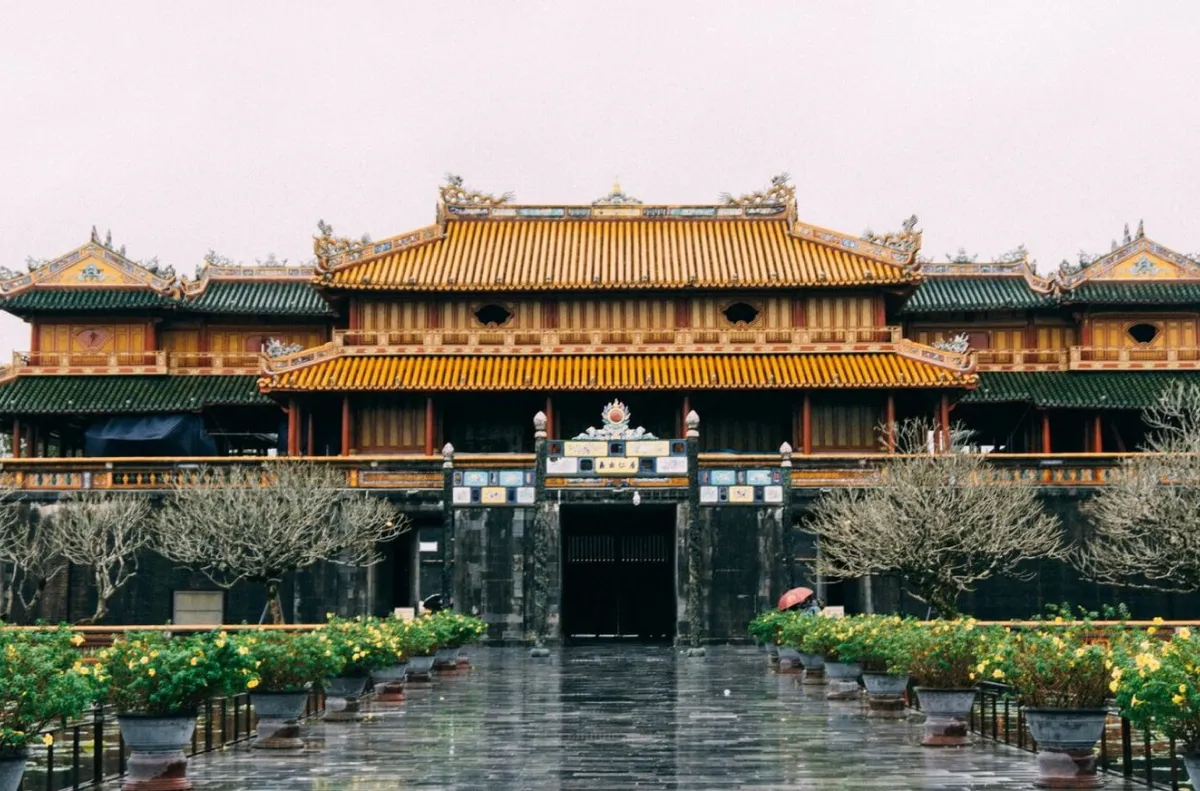
Characteristics: Highest rainfall of the year, often with prolonged heavy rain. This season is also prone to localized flooding or the impact of typhoons.
Note: Travelers need to monitor local weather forecasts closely. Boat trips and outlying tours may be affected.
Characteristics: Temperatures drop significantly, ranging from 18°C – 23°C, accompanied by light drizzle. The air is cold and damp, creating Hue’s melancholic, romantic beauty.
Benefits: This is the best time of year to visit Hue, Vietnam, for those who prefer quiet spaces, fewer tourists, and wish to experience warm, comforting local cuisine.
Adjusting your itinerary based on the season will help you make the most of what Hue has to offer.
The dry season is perfect for exploring the open spaces and natural surroundings of Hue:
Exploring the Citadel and Tombs: The beautiful sunlight makes the ancient architectural structures look vibrant and allows for sharp photography. Start early (7:30 AM) to beat the heat.
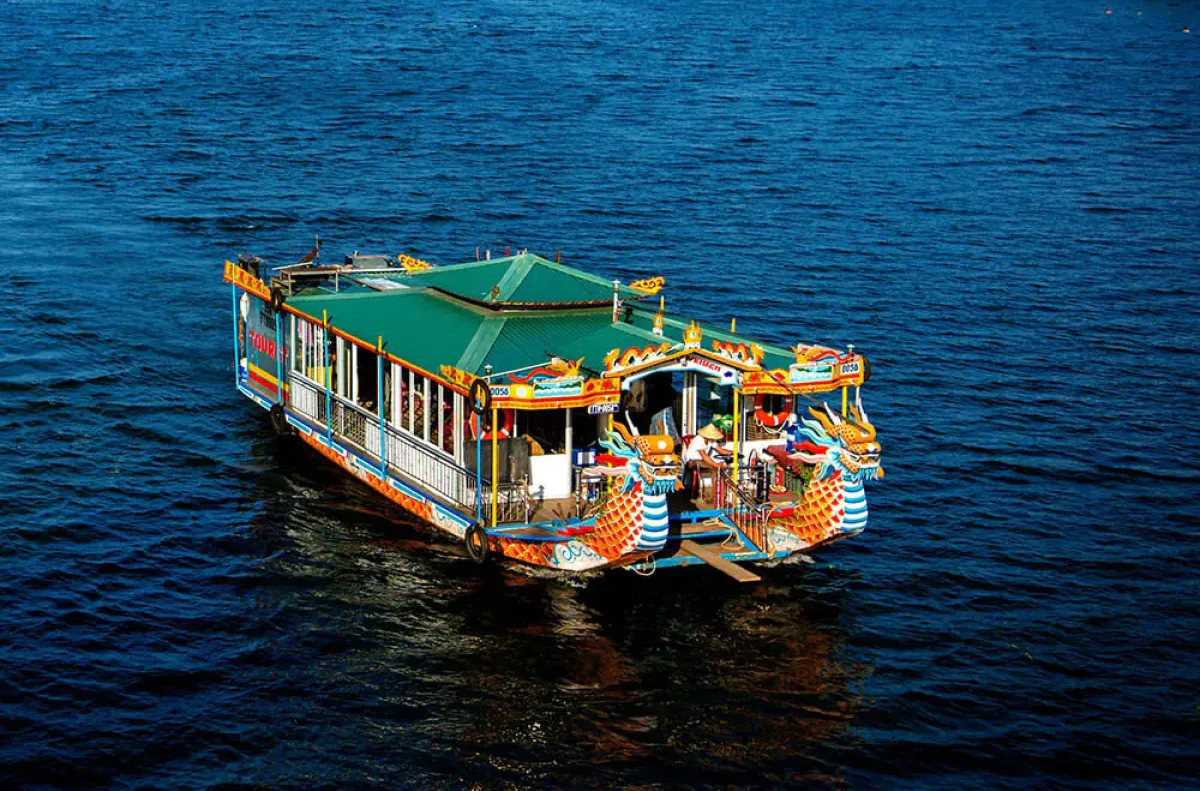
Perfume River Dragon Boat Ride: Take a ride in the late afternoon (4:00 PM – 6:00 PM) to catch the sunset and listen to traditional Hue folk singing on the river. This is the most romantic experience.
Beach Trips: Thuan An Beach or Lang Co Beach (about 30-70km from Hue) feature clear, blue water, suitable for swimming and water sports.
Hue Festival: Often held in late April or early May (biennially), it’s a golden opportunity to witness spectacular royal ceremonies and unique traditional arts.
The rainy season transforms Hue into a contemplative, quiet place, requiring a shift toward cultural and culinary activities:
Indoor Sightseeing and Museums: Devote time to appreciating the artifacts in the Museum of Royal Antiquities, visiting traditional garden houses (An Hien Garden House), and exploring the covered halls within the tombs (like Khai Dinh Tomb).
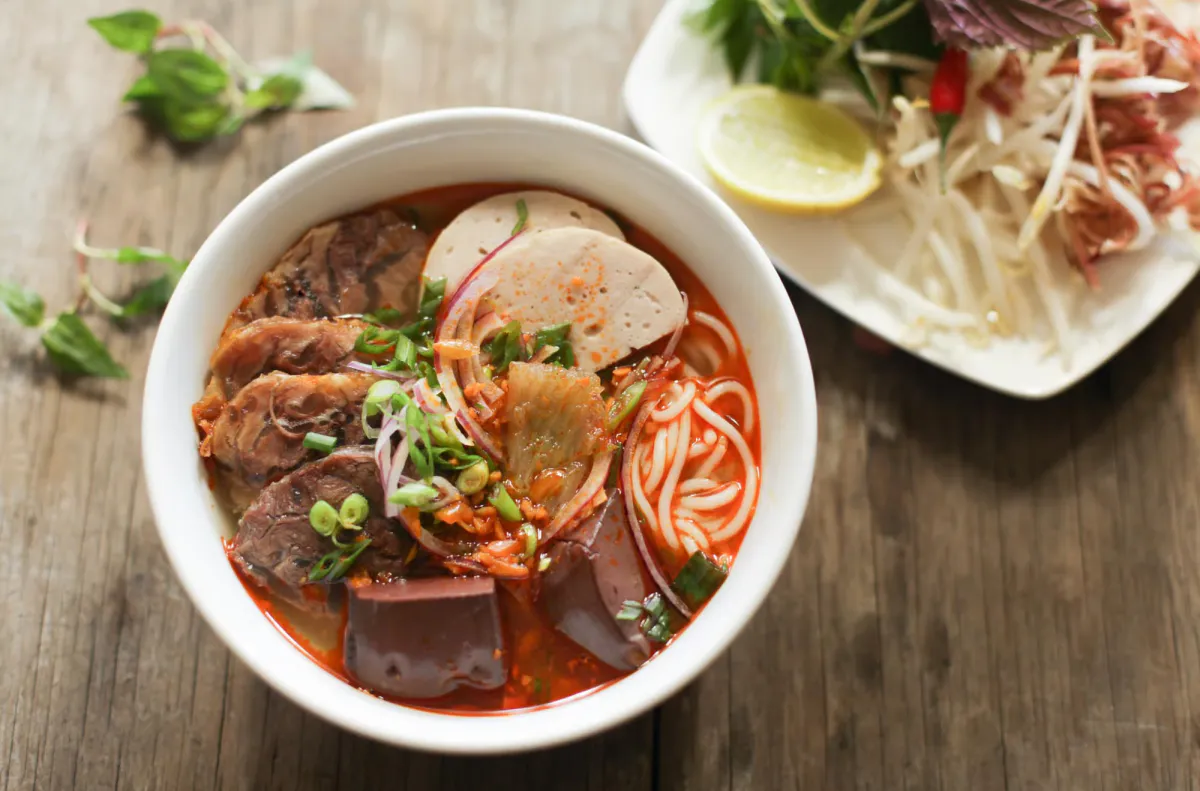
Savoring Cold Weather Cuisine: Hue is famous for its hot and spicy food. Seek out authentic Bun bo Hue, enjoy warm Che Hem (sweet soups), or try local cakes like Banh bot loc and Banh nam in the cool air. The low season provides a great opportunity to explore this.
Visiting Pagodas and Monasteries: Visit Thien Mu Pagoda or Truc Lam Bach Ma Zen Monastery, where the atmosphere becomes even more tranquil and serene under the drizzle.
To ensure a complete trip, follow these practical tips, complementing your choice of the best time of year to visit Hue, Vietnam:
Dry Season: Light, airy clothing, high SPF sunscreen, hats, sunglasses, and a light jacket for the evenings.
Rainy Season: Warm jacket, light raincoat/umbrella, waterproof shoes or sandals.
Dry Season: Renting a motorbike is the most flexible way to freely explore the tombs and beaches.
Rainy Season: Prioritize Taxis or Grab. Although more expensive, they ensure you stay dry and are safer when roads are slippery or potentially flooded.
Inner-city Travel: A Cyclo ride remains a charming option for a slow tour of the central area.
Peak Season (May – July) and Festivals: Service prices increase. You should book flights and hotels 3-4 months in advance.
Low Season (September – December): An excellent opportunity for cost savings. Many hotels offer significant discounts, and attractions are less crowded.
The best time of year to visit Hue, Vietnam, ultimately depends on your personal preferences. If you prioritize dry weather, easy travel, and great photo opportunities, choose the Dry Season (March – May). If you seek a quiet, romantic cultural experience and warming cuisine, the Cool Season (December – February) will be the perfect choice. Regardless of which season you choose, Hue awaits you with its ancient grace, charm, and millennia of historical narratives. We wish you an amazing journey exploring the Imperial City!
With Simply Vietnam Travel, you can rest assured that every detail of your itinerary has been meticulously prepared. As a specialist in organizing Central Vietnam tours, we offer you a diverse selection of well-structured itineraries that blend sightseeing, relaxation, and local cuisine, ensuring a fulfilling journey to unforgettable destinations.
A Central Vietnam adventure will be far more exciting when you simply bring your sense of exploration, while the planning is handled by Simply Vietnam Travel.
Contact us through the following channels for a free consultation:
The rainy season, particularly from September to November, can bring heavy rainfall and occasional flooding. However, unless there is a direct storm warning, you shouldn’t cancel your trip. Prepare an umbrella and raincoat, and focus on indoor activities like museums, palaces, and culinary exploration.
The Hue Festival is a major event, typically held biennially around late April or early May. You should check the official information from Thua Thien Hue province to confirm the exact dates.
February is still part of Hue’s winter and can be quite cool, especially in the evenings and early mornings. Temperatures can drop below 20°C with light drizzle. You will need to pack a warm jacket.
Most 3-star hotels and above are equipped with air conditioning that includes both cooling and heating functions, which is necessary for both the hot summer and the cold, damp winter.
Since April is one of the best times of year to visit Hue, Vietnam, and may coincide with holidays or events, you should book flights and accommodation at least 2 months in advance to ensure you secure the best options at reasonable prices.