Best time to visit Da Nang Hoi An and Hue: The ultimate journey through Central Vietnam’s heritage
travel
December 31, 2025
Share
Facebook
Twitter
LinkedIn
Pinterest
The best time to visit Da Nang, Hoi An, and Hue stands as the paramount question for any traveler yearning to conquer the cultural heart of Vietnam. This geographical strip is not merely a destination; it is a profound intersection of history, nature, and climate. Choosing the right moment for your journey is the decisive factor between witnessing a crystal-clear sunset over the Golden Bridge or being caught in the persistent mists of the Hue citadel. In this exhaustive guide, we will dissect every climatic nuance and seasonal highlight to ensure your expedition to Da Nang, Hoi An, and Hue is nothing short of perfection.
1. A deep dive into the climatic tapestry of Central Vietnam
To truly comprehend the best time to visit Da Nang, Hoi An, and Hue, one must first understand the formidable role of the Bach Ma mountain range. This natural granite wall acts as a colossal climate barrier, creating two distinct weather systems within a mere 100-kilometer radius.
1.1. Da Nang and Hoi An: The sun-drenched coastal twins
Da Nang and Hoi An are geographically inseparable, yet each offers a unique atmospheric experience. Both cities are located in the tropical monsoon climate zone, which is categorized into two primary cycles.
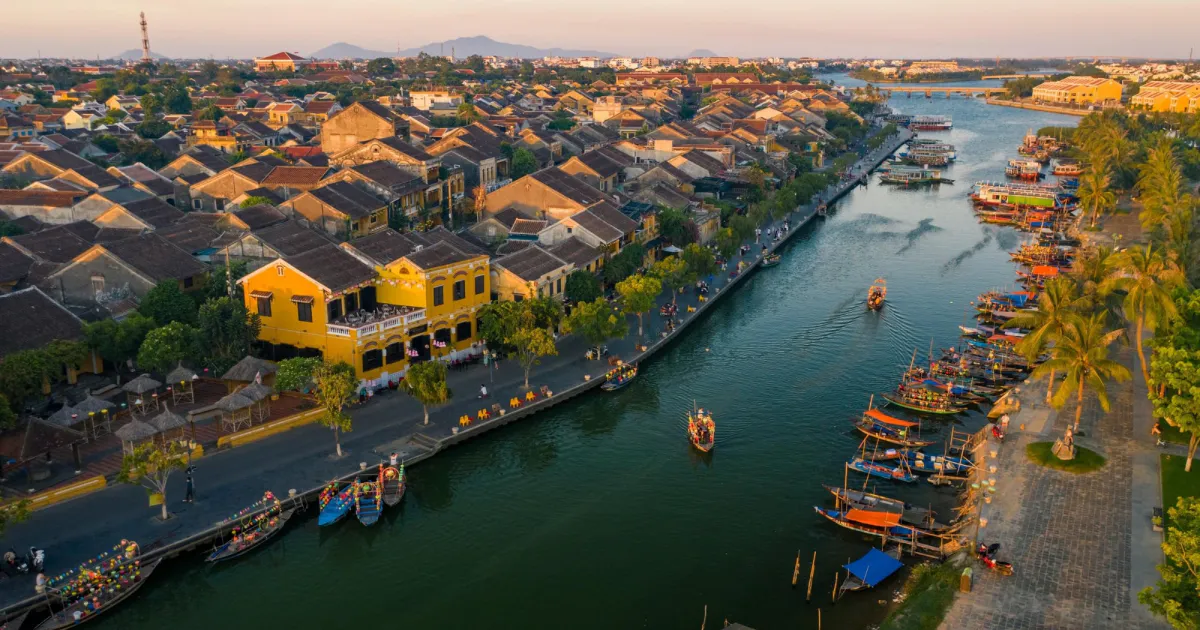
Hoai River Boat Ride Ticket in Hoi An by Night
The radiant dry season (January to August): This is characterized by high sapphire skies and calm turquoise waters. From February to April, the humidity remains low, making it an idyllic period for outdoor exploration. As the calendar shifts to June and July, the heat intensifies, making the ocean breeze of My Khe beach an essential refuge for travelers.
The atmospheric rainy season (September to December): While many fear the rain, this season brings a dramatic transformation. The landscape turns a vivid emerald, and the air cools significantly. However, one must be mindful of the peak rainfall months in October and November, when the Hoai river in Hoi An may rise, occasionally flooding the lower streets of the ancient town.
1.2. Hue: The poetic realm of mist and heritage
Hue, situated north of the Hai Van Pass, experiences a more temperate and sometimes harsher climate than its southern neighbors.
Hai Van Pass: Vietnam’s Most Breathtaking Coastal Road
The summer furnace: From May to July, Hue is subjected to the dry southwest winds, locally known as “gio lao.” This wind carries heat from the mountains, pushing temperatures upward and creating a shimmering, hazy atmosphere around the royal tombs.
The melancholic winter: From October to January, Hue enters its signature “rainy season.” This is not just rain; it is a cultural phenomenon known as “mua dam.” The rain is fine, persistent, and lends the Imperial city a hauntingly beautiful, silver-toned aura that has inspired Vietnamese poets for centuries.
This period is universally acclaimed as the most pristine time to explore the region.
Bach Ma National Park
Atmosphere: The temperature fluctuates between a refreshing 20°C and a comfortable 26°C. The morning mist over the Perfume River in Hue or the crisp air on top of Ba Na Hills provides a sense of clarity and peace.
Festivities: This season coincides with Tet (Lunar New Year). You will witness Hoi An adorned in millions of silk lanterns and Hue bustling with royal traditional games. It is a time of spiritual renewal and vibrant street decorations.
Why it is perfect: You avoid the scorching heat of summer and the heavy downpours of winter. It is the prime time for trekking in Bach Ma National Park without the nuisance of humidity or slippery trails.
2.2. May to August
If your soul craves the ocean and high-energy festivals, this is your season.
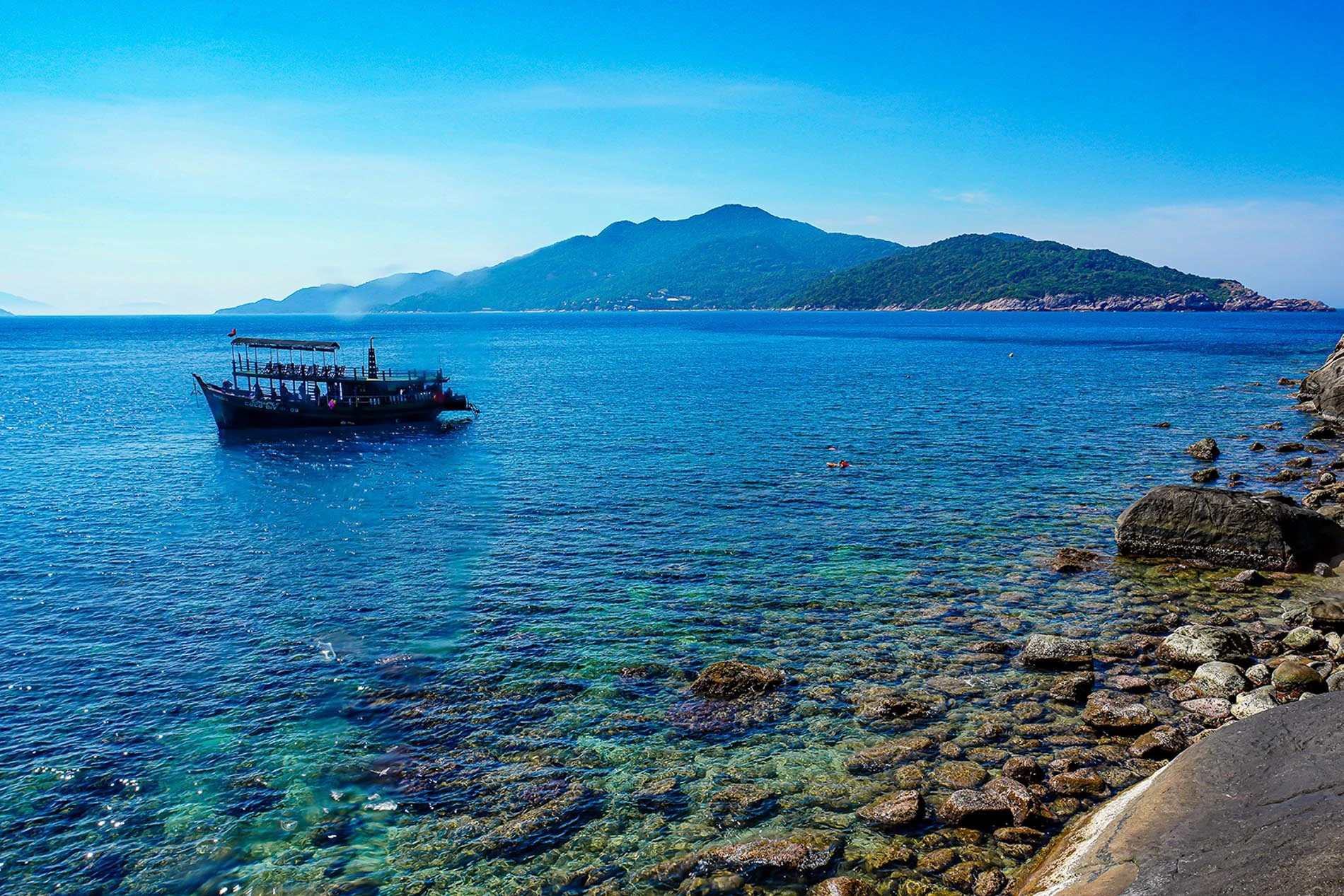
Cham Islands Da Nang – The Pristine Gem of Central Vietnam
Ocean conditions: The visibility underwater at the Cham islands reaches its peak, often exceeding 15 meters. The sea is like a mirror, reflecting the deep blue of the sky.
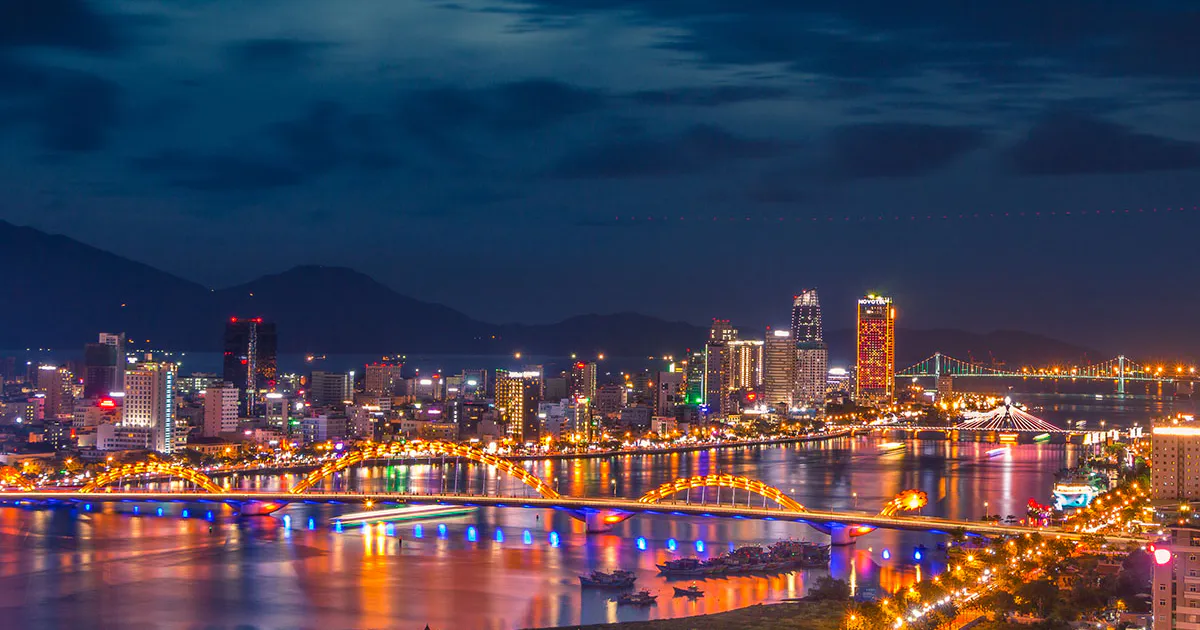
The festival of lights: Da Nang becomes the epicenter of Asia with the International fireworks festival. The banks of the Han River are transformed into a massive carnival of light, sound, and gastronomy.
Traveler’s tip: Mid-day can be intense. We recommend visiting the Hue citadel or the Marble mountains at the crack of dawn (around 6:00 AM) to enjoy the sights before the tropical sun reaches its peak.
2.3. September to December: The season of introspection and value
For the seasoned traveler looking to escape the crowds and save on budget, this window offers hidden rewards.
Cao Lau: The taste of Hoi An and Vietnam in a dish
Luxury for less: The high-end resorts along the Da Nang coastline frequently offer “off-season” packages. You can experience world-class luxury at a fraction of the standard price.
Culinary delights: There is no better feeling than sitting in a cozy riverside cafe in Hoi An, watching the rain dance on the water while savoring a hot bowl of Cao Lau or a spicy Bun Bo Hue. The food somehow tastes richer when the air is cool.
3. Iconic landmarks and the optimal timing for each
Each site within this heritage triangle has a “golden hour” or a specific seasonal charm that can elevate your experience from good to unforgettable.
3.1. Da Nang
Paragliding in Son Tra, Da Nang
Ba Na Hills: To see the Golden Bridge (Cau Vang) without thousands of other tourists, you must take the very first cable car at 7:00 AM. In the spring months, the bridge is often shrouded in clouds, making you feel as though you are walking through heaven.
Son Tra peninsula: May is the magical month for wildlife enthusiasts. This is when the rare Red-shanked Douc Langurs are most active, often seen feeding on young leaves near the roadside.
3.2. Hoi An
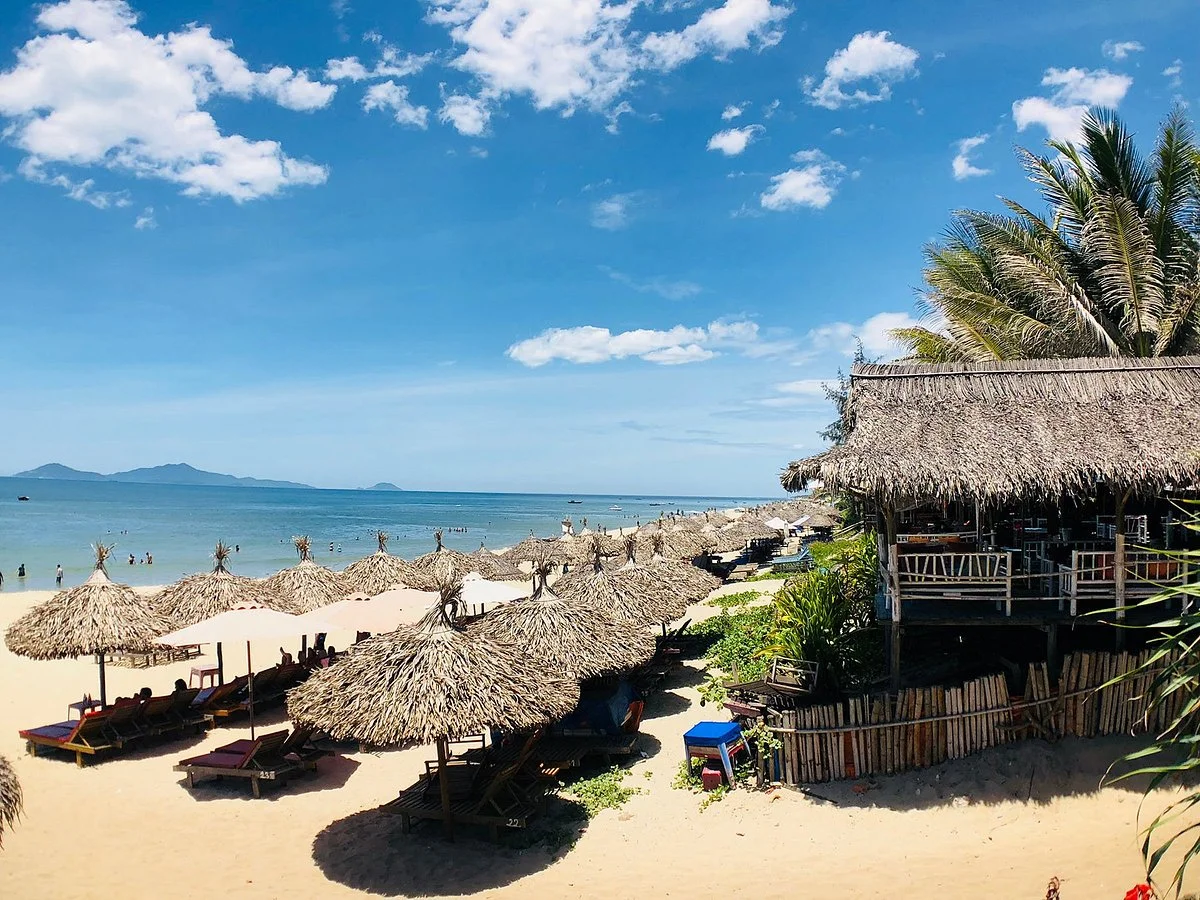
An Bang beach
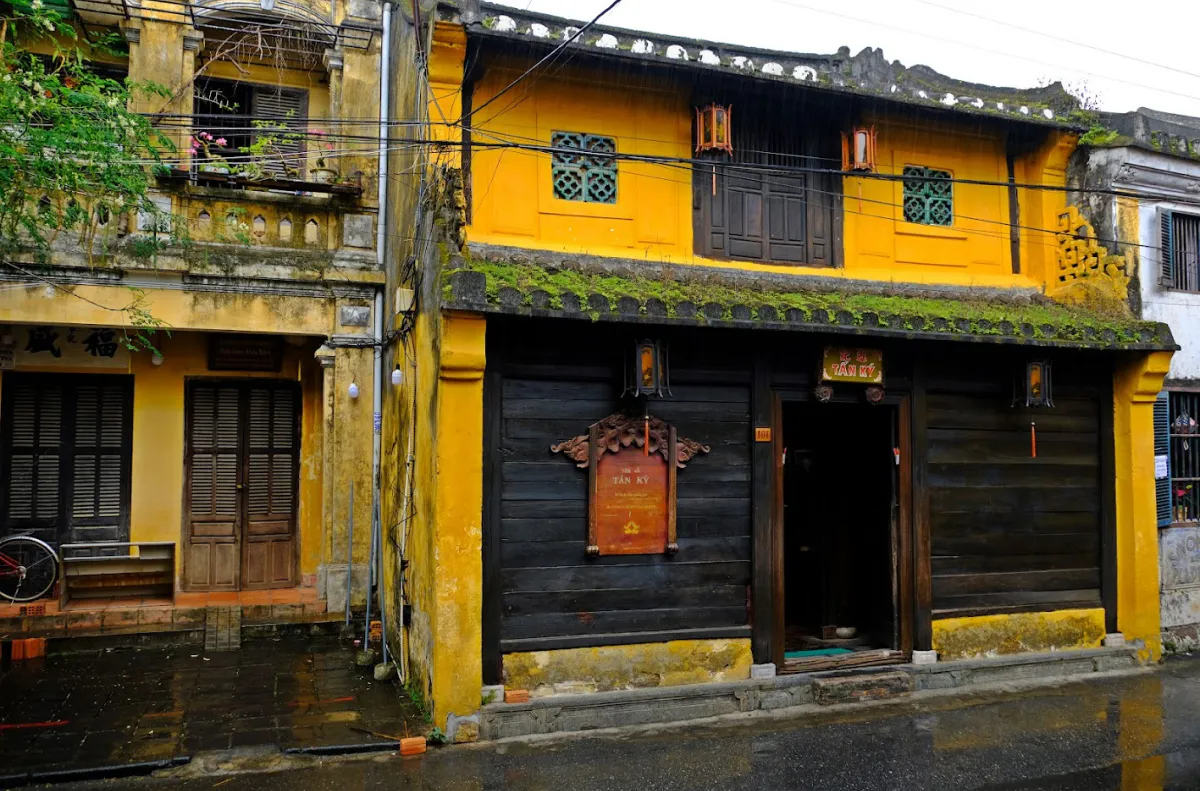
The full moon festival: Occurring on the 14th day of every lunar month, the town bans all motorized vehicles and electric lights. The entire ancient town is illuminated solely by traditional lanterns.
An Bang beach: Visit in the late afternoon (around 4:30 PM) during the summer months. The temperature is perfect for a swim, and you can enjoy fresh seafood right on the sand as the sun sets.
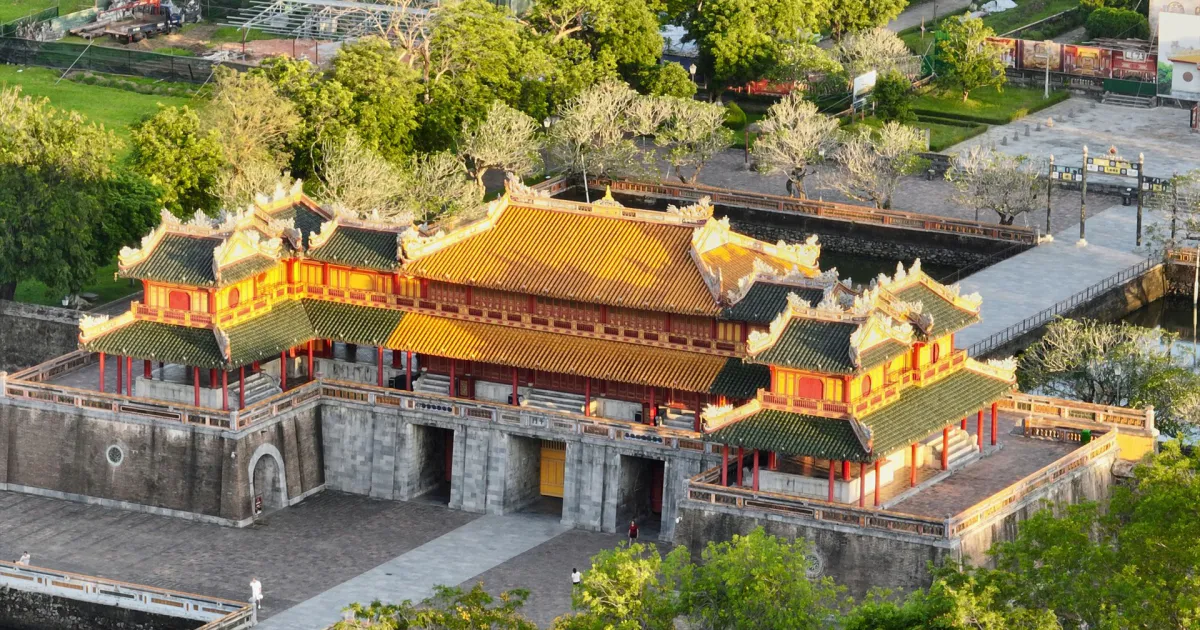
The Imperial city: The best time is during the late afternoon in autumn. The golden light hits the weathered stone walls and red-lacquered pillars, creating a nostalgic atmosphere that is perfect for photography.
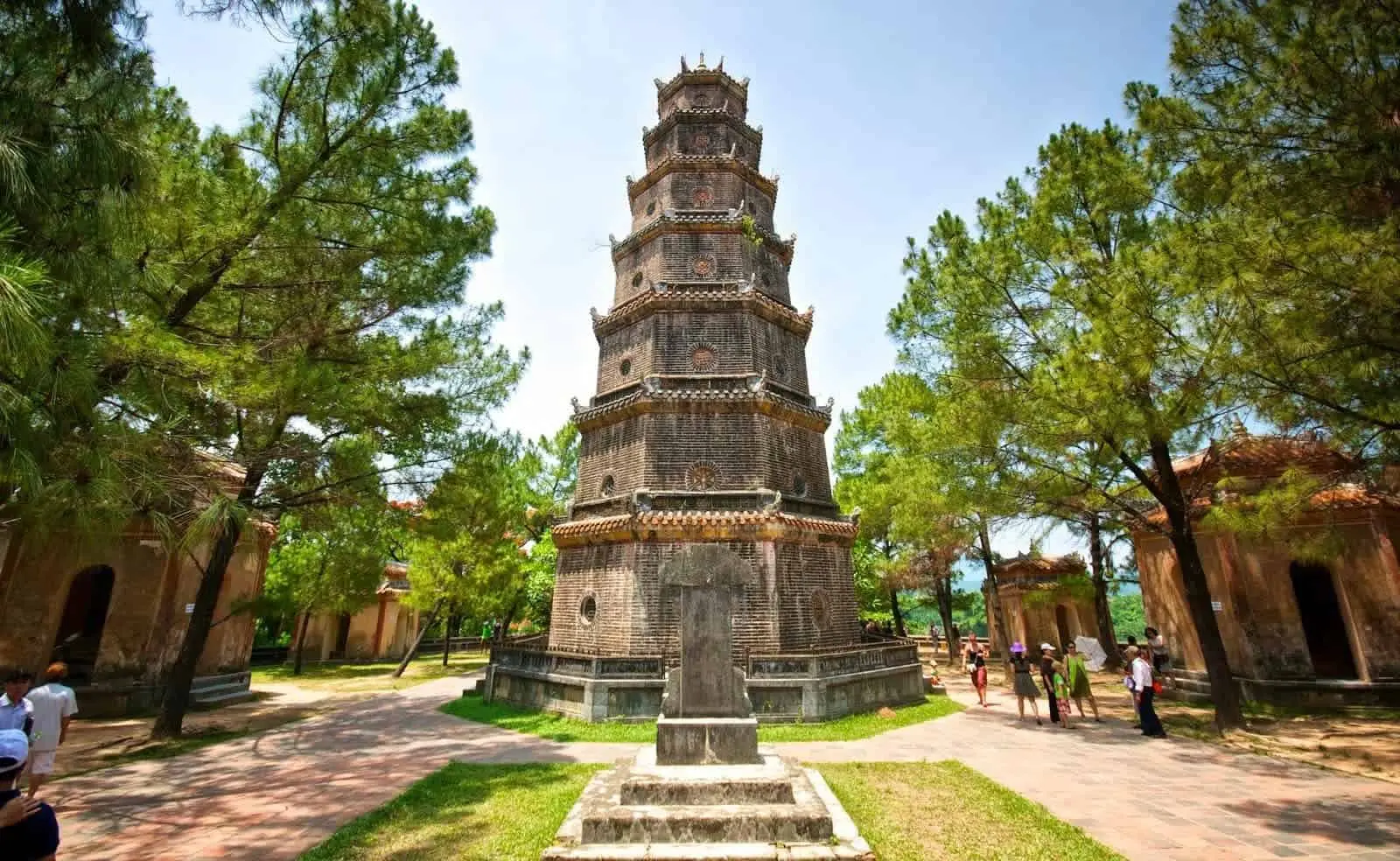
Thien Mu pagoda: Take a dragon boat from the city center to the pagoda around 4:00 PM. The boat ride back during sunset over the Perfume river is a quintessential Hue experience.
4. Tips for a seamless Central Vietnam expedition
To master the best time to visit Da Nang, Hoi An, and Hue, you must also master the logistics of the region.
Ba Na Hills – Disneyland of Vietnam
Transport choices: If the weather is clear (January to August), do not miss the opportunity to travel from Hue to Da Nang via the Hai Van pass. Whether by motorbike or car, the views of Lang Co bay from the summit are world-class. If it is raining, take the railway; it is one of the most scenic train rides in Southeast Asia.
Clothing strategy: Even in the height of summer, the temperature at the summit of Ba Na Hills or during a night boat ride in Hue can drop. Always pack a light pashmina or a windbreaker.
Respectful tourism: Regardless of the weather, when visiting the royal tombs or pagodas, ensure your shoulders and knees are covered. This is a deeply traditional region, and showing respect will always enhance your interactions with the locals.
Conclusion
In summary, the best time to visit Da Nang, Hoi An, and Hue is a subjective choice based on whether you seek the golden sun of the coast or the silver mist of the ancient capital. While the spring months (February to April) offer the most balanced conditions for all three destinations, every season holds its own unique charm. From the explosive colors of the Da Nang summer to the quiet, poetic rain of a Hue winter, Central Vietnam remains a timeless treasure waiting to be discovered. Plan your journey with heart, and the heritage of this land will reveal itself to you in the most magnificent ways.
With Simply Vietnam Travel, you can rest assured that every detail of your itinerary has been meticulously prepared. As a specialist in organizing Central Vietnam tours, we offer you a diverse selection of well-structured itineraries that blend sightseeing, relaxation, and local cuisine, ensuring a fulfilling journey to unforgettable destinations.
A Central Vietnam adventure will be far more exciting when you simply bring your sense of exploration, while the planning is handled by Simply Vietnam Travel.
Contact us through the following channels for a free consultation:
1. Which month is the absolute cheapest for this trip?
November is typically the most budget-friendly month. Due to the high probability of rain, hotels and airlines offer significant discounts. If you are a fan of indoor cultural experiences and spa retreats, this is a great time to visit.
2. Is it worth visiting Ba Na Hills in the rainy season?
It can be hit or miss. On some days, the fog is so thick that you cannot see the bridge. However, on other days, the mist creates a mystical, European-like atmosphere that is quite unique. Always check the live webcam or weather forecast 24 hours in advance.
3. How many days are enough for all three cities?
A minimum of 5 days is recommended: 1.5 days for Hue, 2 days for Da Nang, and 1.5 days for Hoi An. If you are a history buff, you might want to add an extra day in Hue to explore the more remote lăng (royal tombs).
4. Is the heat in Hue truly unbearable in June?
It can reach 40°C. If you visit during this time, plan your heavy sightseeing for the early morning (before 9:00 AM) and late afternoon (after 4:30 PM). Spend your midday enjoying the local cuisine or resting in air-conditioned comfort.
5. When can I see the Dragon Bridge in Da Nang breathe fire?
The fire and water show happens every Friday, Saturday, and Sunday at 9:00 PM. This is a year-round event, but it is much more pleasant to watch during the dry months when you can stand on the bridge or a riverboat without getting wet.

 travel
December 31, 2025
travel
December 31, 2025